 Bellingham
 Exterior Work Built for Birch Bay's Waterfront Conditions
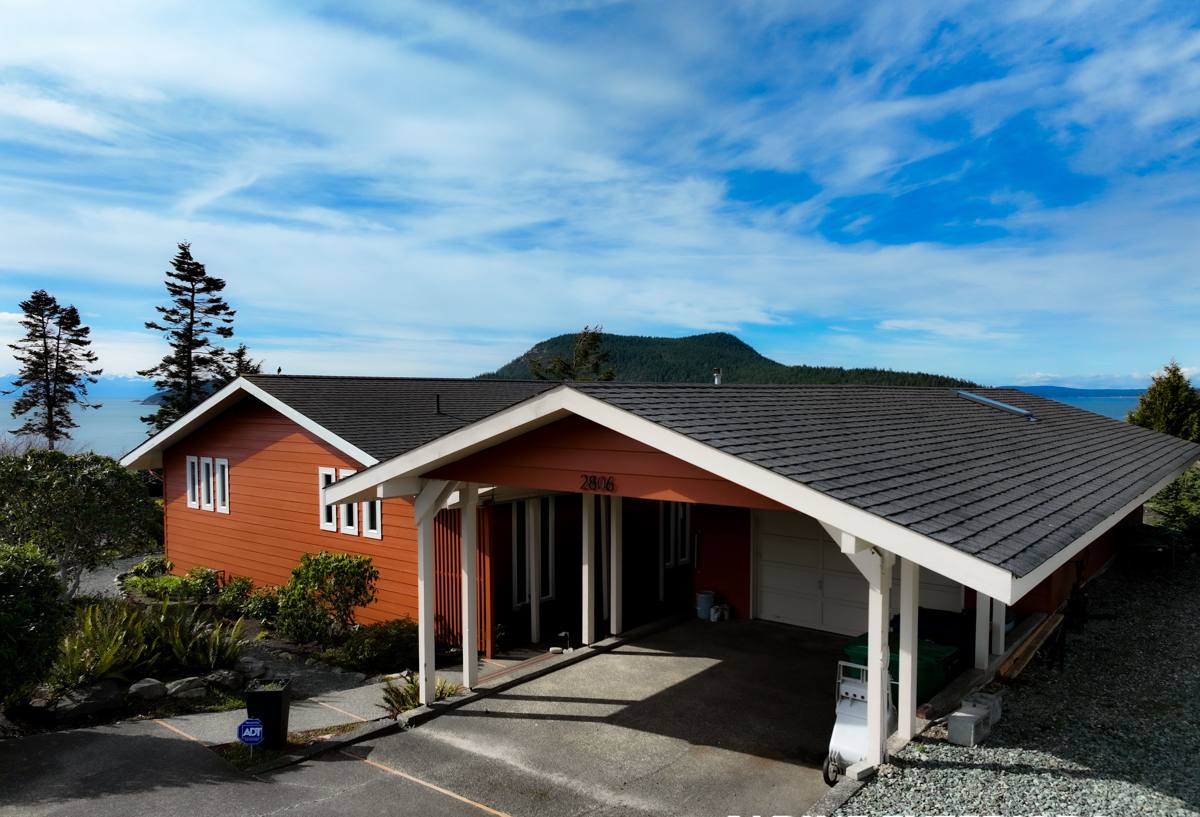
Birch Bay sits right on the water in Whatcom County, and that location shapes almost everything about how a home's exterior ages here. Homes along the bay and back a few blocks inland deal with a combination most inland Bellingham neighborhoods don't see as intensely: salt-laden air off the water, wind-driven rain that hits siding at an angle instead of falling straight down, and a moss season that can stretch for most of the year in shaded, damp spots. We work on homes throughout Birch Bay regularly, and we've seen firsthand what holds up out here and what doesn't.
This page covers how we approach siding, roofing, windows, and decks specifically for Birch Bay conditions, and why the exterior choices that work fine in a drier or more sheltered part of the county aren't always the right call this close to the water.
What Birch Bay's Climate Does to a Home's Exterior
Salt Air and Corrosion
Homes within a few blocks of the water take on salt in the air, and that salt doesn't stay outside. It settles on siding, trim, fasteners, and metal flashing, and over years it accelerates corrosion on anything not built or coated to resist it. This is one reason fastener and flashing choice matters as much as the siding material itself out here — the wrong screw or the wrong flashing metal can start showing rust streaks and pitting well before the siding around it shows any wear.
Wind-Driven Rain
Bellingham and Whatcom County get a lot of rain generally, but Birch Bay's open exposure to the water means storms often arrive with real wind behind them. Rain that's pushed sideways finds every gap, lap seam, and poorly sealed penetration a lot faster than rain falling straight down. Siding systems and window installations that aren't detailed for wind-driven moisture are the ones we get called out to repair.
Moss, Mildew, and Prolonged Dampness
Shaded north sides of homes, roof valleys, and anywhere airflow is limited stay damp for extended stretches through fall, winter, and spring. That's ideal growing conditions for moss and mildew, which hold moisture against roofing and siding surfaces and, over time, work into seams and joints that weren't fully sealed to begin with.
Siding in Birch Bay: Why We Only Install James Hardie
We install James Hardie fiber cement siding exclusively — we don't install vinyl, LP SmartSide, Cemplank, Allura, primed spruce, or cedar. That's a deliberate standard, not a lack of options, and it matters more in a place like Birch Bay than almost anywhere else in the county.
Why Vinyl Struggles Here
Vinyl siding is common and inexpensive, and in a sheltered inland yard it can perform reasonably well. On the water at Birch Bay, sustained wind loading and temperature swings can stress vinyl panels and their fastening system over time, and vinyl doesn't offer the same resistance to physical impact or the factory-baked color stability that fiber cement does. It's also a petroleum-based product, which means its long-term color and material behavior in constant salt-air and UV exposure is a real consideration.
Why We Passed on LP SmartSide, Cemplank, and Allura
LP SmartSide is an engineered wood product — treated and warrantied, but still wood-based at its core, which means it's more sensitive to sustained moisture exposure than fiber cement if any part of the installation lets water sit against a cut edge or seam. Cemplank and Allura are also fiber cement products and, to their credit, are a similar category of material to what we install. Our decision to standardize on Hardie specifically comes down to their specific HZ5 product engineering for the Pacific Northwest, the factory ColorPlus finish process, and the depth of their installation network and warranty support in this region — not a claim that every other fiber cement product is inferior across the board.
Why We Passed on Primed Spruce and Cedar
Real wood siding has a genuine appeal, and cedar in particular has a long track record in this region. But wood siding requires an ongoing maintenance commitment — recoating, caulking, and watching for rot at end grain and fastener points — that only gets more demanding in a salt-air, high-moisture environment like Birch Bay. Homeowners who fall behind on that maintenance schedule here see problems faster than they would inland. We'd rather put a product on a home that tolerates a missed maintenance year without major consequences.
Why James Hardie
James Hardie fiber cement is non-combustible, holds its factory-applied ColorPlus finish far longer than field-applied paint, and its HZ5 product line is engineered for the freeze-thaw and moisture cycling typical of the Pacific Northwest. It doesn't rot, and it isn't a food source for the moss and mildew that thrive in Birch Bay's damp microclimates. It also carries a strong transferable warranty, which matters to owners of vacation and rental properties near the bay who may sell within a few years of a re-side.
| Factor | Vinyl | Wood / Engineered Wood | James Hardie Fiber Cement |
|---|---|---|---|
| Salt air resistance | Moderate; can degrade with UV/temp cycling | Requires diligent maintenance | Strong; non-combustible, engineered for PNW moisture |
| Wind-driven rain tolerance | Depends on installation quality | Vulnerable at end grain and seams | Strong when installed to spec |
| Color longevity | Can fade unevenly over years | Requires repainting/recoating | Factory-baked finish, long color retention |
| Maintenance burden | Low, but impact damage is common | High | Low |
Roofing for Birch Bay's Moss and Storm Exposure
Roofs near the bay carry two burdens at once: sustained moisture that feeds moss growth, and periodic wind events that test every flashing detail and fastener. We pay close attention to ventilation and flashing at valleys, chimneys, and penetrations, since those are the points where trapped moisture and wind-driven rain most often find a way in. Moss removal and preventive treatment matter more here than in drier parts of the county — left alone, moss holds moisture against roofing material and shortens its service life. We also check that gutters and downspouts are sized and positioned to actually keep pace with Birch Bay's rain volume, since undersized or clogged systems back water up under roof edges.
Windows: Sealing Out Salt Air and Wind-Driven Rain
Window performance in Birch Bay comes down to two things: the seal around the frame and the quality of the flashing behind the trim. A window that's a fine product on paper can still leak or fog prematurely if it's not flashed and sealed correctly for wind-driven rain hitting it at an angle. We also see more hardware wear on operable windows near the water — locks, hinges, and cranks exposed to salt air benefit from corrosion-resistant hardware rather than standard-grade components. Energy performance matters too; Birch Bay's exposed position means more wind load against window assemblies than a sheltered inland lot, so a properly sealed, well-flashed window install pays off both in comfort and in avoiding water intrusion down the road.
Decks: Built for Salt, Rain, and Sun Exposure
Outdoor living space is part of why people choose to live in or near Birch Bay in the first place, and a deck out here takes a beating from sun, salt, and standing water in roughly equal measure. Fasteners and hardware need to be corrosion-resistant — standard galvanized fasteners can start showing rust streaks on decking boards within a season or two this close to the water. Proper drainage and gapping between boards matters more here too, since trapped moisture between boards is what starts rot and mildew staining. We build decks with material and hardware choices suited to salt-air exposure, not just standard inland specifications.
Why a Local Crew Matters in Birch Bay
A contractor based in Bellingham who works Whatcom County regularly sees how Birch Bay's specific conditions play out over multiple seasons — which north-facing walls hold moss longest, which flashing details actually keep wind-driven rain out, which fastener choices hold up against salt air and which don't. That's different from generic installation knowledge. It also means someone local to call if a storm causes damage or a warranty question comes up years down the road, rather than chasing down a crew that came through once from out of the area.
What to Check Before Hiring for Exterior Work in Birch Bay
- Ask what fastener and flashing materials they use, and whether those choices account for salt-air exposure
- Confirm they carry current Washington contractor licensing and liability insurance
- Ask how they detail wind-driven rain protection at window and door openings, not just general weatherproofing
- Get specifics on moss prevention and roof ventilation, not just a general "we'll clean it" answer
- Check whether siding, roofing, and deck warranties are manufacturer-backed and transferable
- Ask for a written scope of work before any deposit changes hands
Get an Estimate for Your Birch Bay Home
Whether you're dealing with siding that's showing its age, a roof that needs moss treatment or repair, windows that let in drafts and moisture, or a deck that needs rebuilding with the right materials for this environment, we're happy to take a look and give you a straightforward, no-pressure estimate. Reach out through the form below and we'll get back to you.