 Bellingham
 Exterior Work Built for Silver Beach
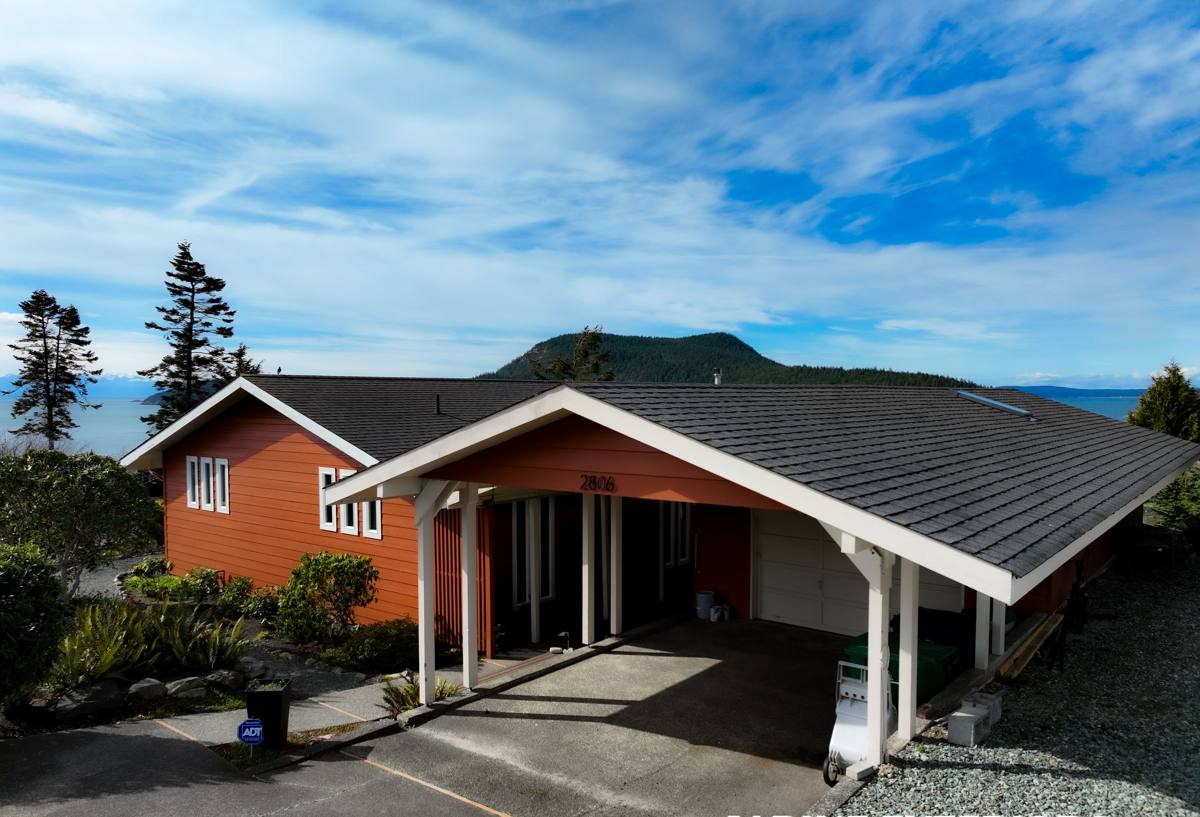
Silver Beach sits close enough to the water and the surrounding tree cover that homes here take a different kind of beating than a house out on open, dry ground. Between moisture off the water, shade from mature trees, and the long stretch of gray, damp months that define a Whatcom County winter, the exterior of a Silver Beach home is working hard every single day of the year. Bellingham Exterior is a local crew, and we've built our whole approach around what actually happens to siding, roofs, windows, and decks in neighborhoods like this one — not what happens to them in a climate brochure.
This page covers how we think about exterior work for Silver Beach specifically: the conditions your home is up against, how our four core services hold up against them, and why we standardized on one siding product instead of offering the usual menu of options.
What the Climate Does to a Silver Beach Home
Moisture That Doesn't Let Up
Bellingham doesn't get hit with dramatic storms as often as it gets steady, driving rain that lasts for days. That kind of weather is harder on a building than a single heavy downpour, because it gives water time to find every gap, seam, and weak point in the exterior envelope. Homes near the water or tucked into tree cover also see less direct sun and wind to dry things out between rain events, which extends how long every surface stays wet.
Moss, Algae, and Shade
Wherever a roof or a wall doesn't get much sun — north-facing slopes, areas under overhanging trees, low spots that stay damp — moss and algae get a long runway to establish themselves. Moss on a roof isn't just cosmetic; it holds moisture against shingles and can work its way under the edges of roofing material over time. On siding, sustained damp and shade create conditions where paint film breaks down faster and where the wrong substrate can hold moisture instead of shedding it.
Salt Air and Coastal Exposure
Proximity to the water means salt-laden air is part of daily life for exterior materials in this part of Bellingham. Salt air accelerates corrosion on fasteners and metal components, and it's tougher on paint and finish systems that weren't engineered with coastal exposure in mind. It's a slow, cumulative effect — not something that shows up in year one, but something that separates well-built exteriors from poorly-built ones by year ten or fifteen.
Siding: Why We Only Install James Hardie
We get asked fairly often why we don't offer vinyl, LP SmartSide, or one of the other fiber cement brands. The honest answer is that after years of doing exterior work in this exact climate, we don't think those products hold up as well as James Hardie fiber cement does — and we'd rather install one product correctly than several products with more compromises.
- Non-combustible core: Hardie's fiber cement composition doesn't burn, which matters as wildfire season becomes a more regular part of Pacific Northwest summers even outside the immediate coastal zone.
- Engineered for wet climates: Hardie's HZ5 product line is specifically formulated for regions with high moisture exposure, which includes Whatcom County and the Silver Beach area.
- Factory-applied ColorPlus finish: Baked-on color resists fading and holds up better against sun, salt air, and repeated wet-dry cycles than field-applied paint.
- Rigid, moisture-resistant board: Fiber cement doesn't swell, warp, or rot the way wood-based products can when they take on water repeatedly.
- Strong, transferable warranty: Backed by a manufacturer warranty that follows the house, which matters to buyers if the home ever sells.
We're not going to tell you competing products are junk — vinyl is cheap and easy to install, and other fiber cement brands have their own merits. But vinyl can warp, fade, and crack in temperature swings and doesn't offer the same fire performance, and off-brand fiber cement products vary a lot in formulation and factory finish quality. When we put our name on a job, we want to know exactly what's behind the wall, and Hardie is the product we trust to perform in this specific climate for decades, not just years.
Roofing in a Moss-Prone, Damp Environment
A roof in Silver Beach needs to do two things well: shed water fast, and resist the moss and organic growth that thrive in shaded, damp conditions. We look at ventilation, underlayment quality, and flashing details as closely as we look at the shingle or roofing material itself, because most roof failures in this climate start at a flashing seam or a poorly ventilated attic, not from the field material wearing out.
What We Check On Every Roofing Job
- Attic and roof ventilation, to reduce trapped moisture that accelerates decking rot from underneath
- Flashing around chimneys, skylights, and valleys, where the majority of leaks actually originate
- Underlayment quality, since a good roof covering over a poor underlayment is still a roof at risk
- Overhang and tree cover, which affects moss growth rate and long-term maintenance needs
Windows That Handle Condensation and Coastal Weather
Older single-pane and early double-pane windows struggle in a climate with this much sustained humidity — condensation between panes, fogging, and drafts are common complaints we hear from homeowners in older Bellingham-area homes. Replacement windows with modern seals and proper flashing integration do a lot to cut down on moisture intrusion around the window opening itself, which is often a bigger source of wall damage than people expect. Proper flashing and integration with the siding system matters as much as the window unit itself — a great window installed with poor flashing will still leak.
Decks Built to Survive Wet Winters
A deck in Silver Beach spends a lot of the year wet, shaded, or both. That combination is hard on fasteners, ledger connections, and any wood that doesn't get a chance to fully dry out between rains. We build and repair decks with attention to proper drainage, ledger flashing to keep water out of the house structure, and materials suited to sustained damp exposure rather than occasional rain.
| Deck Factor | Why It Matters Here |
|---|---|
| Ledger board flashing | Prevents water intrusion into the house framing where the deck attaches |
| Fastener quality | Salt air and moisture accelerate corrosion on lower-grade hardware |
| Drainage and slope | Standing water on deck boards speeds up rot and slip hazards |
| Shade and airflow | Shaded decks stay wet longer and need materials that tolerate it |
Cost Factors for Silver Beach Homeowners
Every home is different, so we won't quote pricing without seeing the actual house, but a few local factors tend to affect scope and cost on exterior projects in this area:
| Factor | Why It Affects Scope |
|---|---|
| Existing moisture damage | Hidden rot behind old siding or around window openings often surfaces once the exterior is opened up |
| Tree cover and access | Overhanging trees can add setup time and affect how a roof or siding job is sequenced |
| Home age | Older homes may need flashing, sheathing, or trim work updated alongside the primary material |
| Slope and drainage | Lots near water or on a grade may need drainage considerations factored into siding and deck work |
Why a Local Crew Matters
An exterior contractor based somewhere else doesn't live with Whatcom County weather the rest of the year. We do. We know what a typical wet season does to an unventilated attic, how far moss will creep down a north-facing roof slope, and what happens when a homeowner picks a siding product not suited to constant damp exposure. That local knowledge shapes every recommendation we make — not generic advice pulled from a national playbook, but decisions based on what actually holds up in Bellingham and the surrounding area, Silver Beach included.
What to Look For When Hiring an Exterior Contractor Here
- Ask whether they've worked in your specific neighborhood or similar coastal/shaded conditions
- Ask what siding products they install and why — a contractor who installs everything usually hasn't standardized on what performs best
- Confirm licensing, bonding, and insurance before any work begins
- Ask how they handle flashing and moisture detailing, not just the finish material
- Get a written scope that includes underlying issues like rot or ventilation, not just surface replacement
If you're planning siding, roofing, window, or deck work in Silver Beach, we're happy to take a look and give you a straightforward, no-pressure estimate — no upsell script, just an honest read on what your home actually needs.