 Bellingham
 Exterior Work Built for York's Older Housing Stock
York is one of Bellingham's established, close-in neighborhoods, and that means a lot of the homes here were built decades before anyone was talking about rain screens, house wrap, or fiber cement siding. That's not a knock on the neighborhood — it's just a fact that shapes how we approach every exterior project we take on in the area. Older framing, older trim details, and in many cases exterior cladding that's already been patched, painted, and re-patched more than once. When we work in York, we're usually not starting from a blank slate. We're working around existing conditions, matching rooflines and window openings that weren't cut with modern materials in mind, and making judgment calls that come from having done this kind of work on this kind of housing stock before.
That experience matters more than it sounds like it should. A crew that's only ever worked on new construction in outlying subdivisions is going to hit surprises on a 60- or 80-year-old York home — surprises that slow the job down, drive up cost, or get papered over instead of fixed properly. We'd rather know what we're walking into before we start.
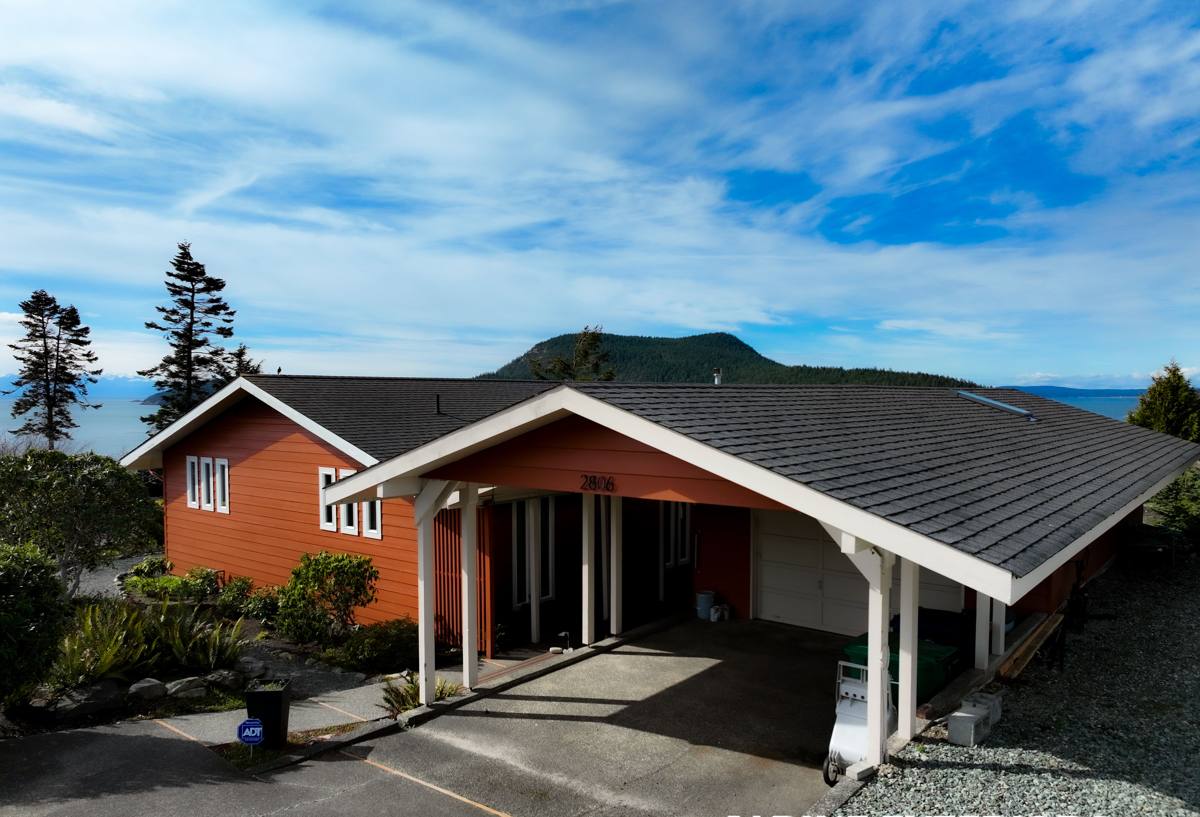
What Bellingham's Climate Does to a Home's Exterior
Whatcom County sits in a spot where three things stack up against exterior materials at the same time: proximity to salt water, a long wet season, and enough tree cover and shade in older neighborhoods to keep surfaces damp long after a storm passes. None of these alone is unusual for the Pacific Northwest. Together, over enough years, they wear down siding, roofing, and trim in ways that homeowners in drier climates rarely have to think about.
Salt Air
Bellingham's location on the water means homes throughout the area — including inland neighborhoods like York — get some exposure to salt-laden air, especially during winter storms with onshore wind. Salt air accelerates corrosion on fasteners, flashing, and any metal exterior component that isn't rated for coastal exposure. It also breaks down lower-grade paint and coatings faster than inland climates would.
Driving Rain
This isn't Seattle's gentle drizzle reputation — Bellingham gets real driving rain events, often wind-driven, that push water sideways into siding laps, window flanges, and butt joints. A house that would stay dry in a straight-down rain can still take on moisture when wind is forcing water horizontally against the wall. This is exactly the kind of exposure that separates a properly installed, moisture-resistant siding system from one that just looks fine until it doesn't.
Moss Season
Whatcom County's mild, wet stretch from fall through spring is a long moss season by almost any standard. Roofs, especially north-facing slopes and anything shaded by mature trees — common throughout York — stay damp for months at a time. Moss and algae take hold, hold moisture against roofing material, and shorten the life of shingles that aren't treated or maintained. Siding in shaded, damp corners of a lot faces the same problem on a smaller scale.
Siding: Why We Only Install James Hardie
We install James Hardie fiber cement siding exclusively. We don't install vinyl, LP SmartSide, primed spruce, cedar, or other fiber cement brands like Allura or Cemplank. That's a deliberate standard, not a limitation of what we're capable of installing — and in a climate like Bellingham's, we think it's the right one.
Wood siding — cedar or primed spruce — looks great going up, but it's an organic material in a climate that stays wet for months at a stretch. It needs regular refinishing, it's vulnerable to rot at end grain and butt joints, and in shaded, moss-prone spots common in older neighborhoods, it holds moisture against the wall longer than it should. Vinyl sheds water fine but expands and contracts with temperature swings, can crack in impact, and doesn't hold up structurally or visually the way a heavier material does over decades. Other fiber cement brands aren't inherently bad products, but we've standardized on one manufacturer so our crews install one system, to one spec, with one warranty structure to stand behind — instead of juggling installation details across several product lines.
James Hardie fiber cement is non-combustible, holds a factory-applied ColorPlus finish that resists fading and doesn't need repainting on the same schedule as wood, and comes in HZ product lines engineered for specific climate zones — including the wetter, milder zones that describe Western Washington. Installed correctly, with proper flashing, clearances, and fastening, it's built to handle driving rain and long damp stretches without the maintenance burden that wood or lower-grade products carry.
Siding Material Comparison
| Material | Moisture Behavior in PNW Climate | Maintenance | Our Take |
|---|---|---|---|
| James Hardie fiber cement | Engineered for wet climates; resists moisture-driven damage when installed to spec | Low; factory finish holds color for years | What we install |
| Vinyl | Sheds water but can trap moisture behind panels if not detailed correctly | Low, but can crack, fade, warp | Not installed by us |
| Cedar / primed spruce | Organic material; absorbs moisture, vulnerable to rot in shaded/damp areas | High; regular refinishing needed | Not installed by us |
| Other fiber cement brands | Generally sound, varies by manufacturer spec | Moderate | Not installed by us — we standardize on one system |
Roofing: Standing Up to a Long Wet Season
A roof in York needs to do two things well: shed driving rain without backing up under shingle edges, and resist the moss and algae growth that a long, mild, wet season practically guarantees. We look at ventilation, flashing details around valleys and penetrations, and — where trees shade the roof — practical steps to slow moss growth, since a roof that stays wet for months at a time ages faster than one that dries out between storms. Roof and siding work often overlap on the same project, since flashing at the roofline is where a lot of water intrusion problems actually start.
Windows: The Weak Point in an Older Building Envelope
Older windows in homes throughout York are frequently single-pane or early double-pane units with failed seals, drafty frames, and flashing that was never designed to handle the wind-driven rain this area sees. Replacing windows is also the moment to get the flashing and integration with the surrounding siding right — a new window installed with poor flashing detail can leak worse than the old one it replaced. We treat window replacement as part of the whole exterior envelope, not an isolated swap.
Decks: Built for Constant Exposure
Decks in this climate spend most of the year wet, shaded, or both, especially on lots with mature trees — common in older neighborhoods like York. That means material choice, proper drainage under and around the structure, and fastener selection all matter more here than in a drier climate. A deck that isn't detailed for constant moisture exposure will show rot, cupping, or fastener corrosion years before it should.
How We Approach a York Project
- Walk the exterior and assess existing siding, roofing, window, and deck condition — including hidden moisture damage where it's likely to hide
- Identify age- and condition-specific issues tied to the home's construction era and site conditions (shade, slope, tree cover)
- Provide a written scope and estimate with no pressure to sign on the spot
- Sequence work so flashing, water management, and material transitions are handled correctly — not just made to look finished
- Stand behind the installation with manufacturer-backed warranty coverage on Hardie siding
What to Look For Before You Hire
- A written, itemized estimate — not a verbal ballpark
- Manufacturer certification or documented installation training for whatever siding system is proposed
- A clear explanation of flashing and water management, not just material selection
- References or examples of work on homes of a similar age and construction to yours
- A crew that's familiar with local permitting and typical conditions in Whatcom County, not just general Pacific Northwest experience
- Clarity on warranty coverage — both material and labor — in writing
Why a Local Crew Matters
Exterior work in Bellingham isn't the same job as exterior work in a drier, milder inland climate. A crew that works this region regularly knows what driving rain and a long moss season actually do to a building envelope over time, and details the work accordingly — flashing laps, clearances, fastener choices, drainage planning. That local knowledge shows up years later, in whether the work is still performing the way it should.
If you're weighing siding, roofing, window, or deck work on a York home, we're happy to take a look and give you a straightforward, no-pressure estimate — including an honest read on what your home's age and exposure actually call for.