 Bellingham
 Exterior Work in Fairhaven: What the Location Actually Demands
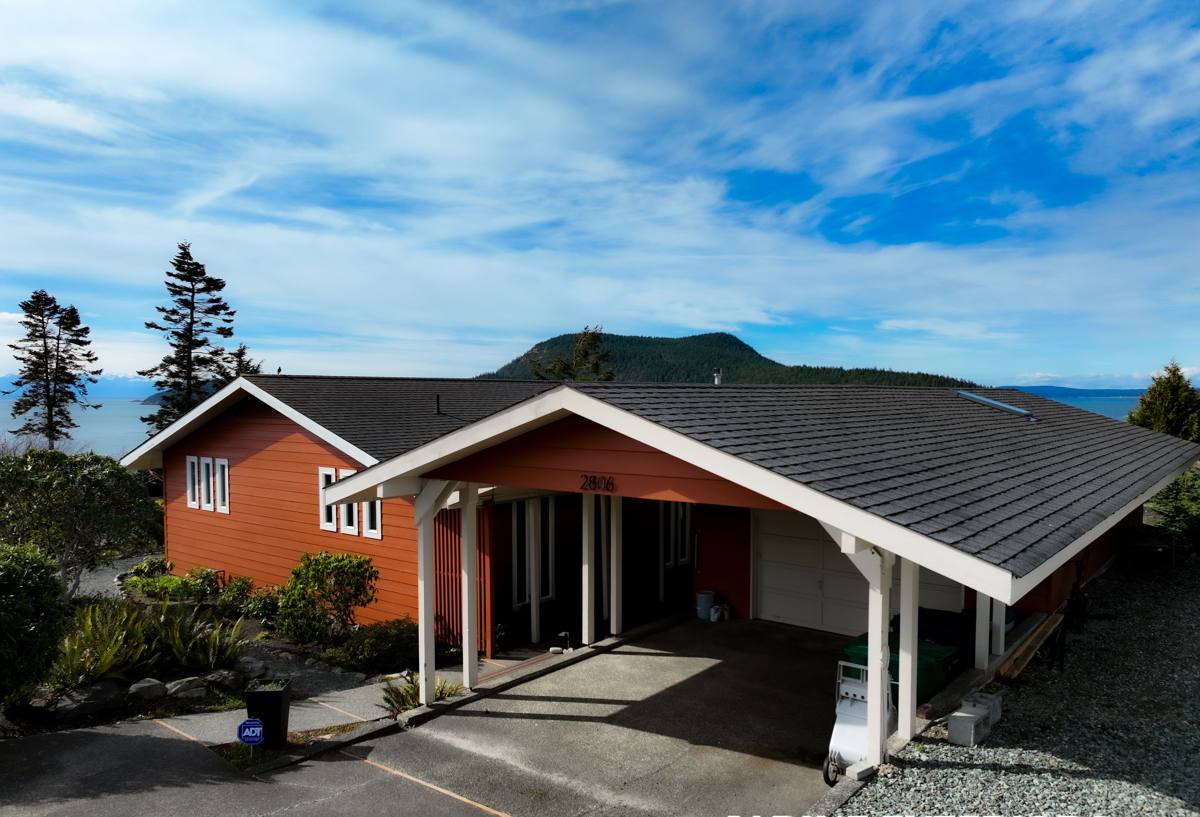
Fairhaven sits close to the water, and that proximity shapes everything about how a home's exterior ages here. Homes in this part of Bellingham deal with a combination few other neighborhoods in Whatcom County get in equal measure: salt-laden air off Bellingham Bay, driving rain that comes in sideways during winter storms, and a mild, damp climate that keeps moss and algae growing for most of the year. None of this is exotic or unusual — it's simply the baseline condition anyone doing exterior work in Fairhaven has to design around.
We're not describing a crisis. Most homes here hold up fine for decades. But "fine" depends entirely on whether the siding, roofing, windows, and trim were chosen and installed with these specific conditions in mind, or whether they were installed the same way a contractor might build in a drier, inland climate. That difference shows up in maintenance bills and premature replacements ten and fifteen years down the road.
Salt Air and Slow Corrosion
Airborne salt doesn't just affect boats and dock hardware. It settles on siding, roofing fasteners, window frames, and any exposed metal trim, and over years it accelerates corrosion and breaks down finishes that weren't rated for coastal exposure. Homes closer to the water and on more exposed elevations see this fastest, but it's a factor for the whole neighborhood, not just waterfront lots.
Driving Rain
Bellingham gets plenty of rain generally, but Fairhaven's exposure means storms often push moisture sideways into wall assemblies rather than just down onto the roof. That matters because wind-driven rain tests things a lot of siding systems aren't built for: seams, laps, and butt joints that are fine in a straight downpour can let water in when it's coming in at an angle. Good flashing and weather-resistant barrier work matter as much as the siding material itself.
The Long Moss Season
Whatcom County's mild, wet climate means moss and algae have a long growing window — often close to year-round on north-facing walls and shaded roof sections. Moss holds moisture against whatever surface it's growing on, and that constant dampness is hard on any material that isn't dimensionally stable or that can absorb water into its core.
What This Means for Siding Choices
This is where material selection stops being a cosmetic decision and starts being a durability decision. We install James Hardie fiber cement siding exclusively — we don't offer vinyl, LP SmartSide, Cemplank, Allura, primed spruce, or cedar. That's a deliberate standard, not a sales preference, and it's worth explaining honestly rather than just asserting it.
Why We Don't Install the Alternatives
Vinyl siding is affordable and low-maintenance in mild conditions, but it's a thin material that expands and contracts with temperature swings, and its seams and joints are more vulnerable to wind-driven water intrusion than a properly lapped fiber cement system. In an exposed, rain-heavy location like Fairhaven, that's a real trade-off, not a hypothetical one.
Wood-based products — cedar, primed spruce, and engineered wood siding like LP SmartSide — perform well when maintenance stays current, but they depend on an intact paint or coating layer to keep moisture out of the wood substrate. In a climate with this much sustained dampness and moss growth, any gap in that maintenance schedule (a missed repaint, a cracked caulk joint, moss left to sit against the wall) gives moisture a path into wood fiber that will then swell, rot, or delaminate. We've found that's a heavier ongoing burden than most homeowners want to sign up for on a coastal property.
Cemplank and Allura are also fiber cement products, and fiber cement as a category is the right call for this climate. Our reason for standardizing on Hardie specifically comes down to consistency: the ColorPlus factory-applied finish, the HZ5 product engineering aimed at Pacific Northwest-type conditions, and a strong transferable warranty backed by a manufacturer with a long track record. We'd rather install one system extremely well and stand behind it fully than split our crews' expertise across several similar but non-identical products.
What James Hardie Gets Right for This Location
- Non-combustible core, which also holds up structurally without the swelling or rot risk of wood-based siding
- Factory-applied ColorPlus finish resists fading and holds paint adhesion far longer than field-applied paint over wood substrates
- HZ5 formulation engineered for wetter, more humid climate zones — which fits Whatcom County's profile
- Dimensionally stable in freeze-thaw and wet-dry cycling, which matters given how often Fairhaven siding goes from soaked to dry and back
- Strong, transferable manufacturer warranty that adds real value if the home sells
Roofing for a Marine, Moss-Prone Climate
Roofing in Fairhaven has to account for the same driving rain and moss pressure as siding, plus the added factor of sustained wind off the water on exposed lots. A correctly installed roofing system pairs the right material with proper underlayment, ice-and-water protection at vulnerable areas (valleys, eaves, chimney and vent penetrations), and ventilation that keeps moisture from building up in the attic space — which, in this climate, is just as important as what's on top of the roof.
Moss Management Isn't Optional Here
Moss on a roof isn't just an appearance issue. It holds water against shingles or roofing material, works into seams over time, and can lift edges enough to let water underneath. Zinc or copper strips near the ridge, kept clear gutters, and periodic gentle cleaning (never pressure-washing, which can strip granules or damage the roofing surface) go a long way toward keeping a Fairhaven roof performing for its full service life.
Windows in a High-Moisture, Coastal Setting
Older windows in Fairhaven homes often show their age through fogging between panes, drafts, and soft spots in the surrounding trim — signs that seals have failed or that water has been getting into the frame or sill area over time. Replacement windows here benefit from quality weatherstripping, proper flashing integration with the siding system around them, and glazing that helps with both energy performance and condensation control, which is a bigger deal in a consistently humid climate than in a drier one.
Window replacement is also the right moment to correct any flashing or moisture-barrier issues at the rough opening — problems that are invisible once new siding goes back on, but that determine whether water stays out of the wall assembly for the next twenty years.
Decks: Direct Exposure to Everything
Decks in Fairhaven take the climate's full force with no wall assembly to help protect them — salt air, standing rain, and moss all land directly on deck boards, railings, and structural framing. Material choice matters (composite decking generally handles sustained moisture and moss better than untreated wood, though both can work with the right maintenance), but so does structural detail: proper spacing for drainage, ledger board flashing where the deck meets the house, and hardware rated for corrosion resistance rather than standard interior-grade fasteners.
Comparing Siding Options for Fairhaven Conditions
| Material | Moisture/Rot Resistance | Maintenance Burden | Finish Longevity | Our Assessment |
|---|---|---|---|---|
| James Hardie fiber cement | High — non-combustible, dimensionally stable | Low — occasional wash, no repainting cycle needed for years | Factory ColorPlus finish, long-rated | What we install |
| Vinyl siding | Moderate — seams vulnerable to wind-driven rain | Low, but limited repair options if damaged | Can fade/chalk over time | Not offered |
| Cedar / primed spruce | Low without diligent upkeep | High — repainting, caulking, moisture checks | Depends entirely on maintenance schedule | Not offered |
| LP SmartSide / engineered wood | Moderate — depends on coating integrity | Moderate to high | Field-applied finish wears faster than factory | Not offered |
| Other fiber cement (Cemplank, Allura) | High — similar core material to Hardie | Low | Varies by brand/finish system | Not our standard — we install Hardie only |
Signs a Fairhaven Home's Exterior Needs Attention
- Moss or dark streaking building up on north-facing siding or roof sections
- Soft spots, bubbling paint, or visible swelling on wood trim or siding
- Window frames with fogging between panes or persistent drafts
- Rust staining below metal fasteners, flashing, or hardware
- Gutters that overflow or pull away during heavy rain
- Deck boards that stay damp long after rain has stopped, or soft/spongy spots underfoot
- Caulk or sealant that's cracked, shrunk, or missing at trim joints and window edges
Why a Local Crew Matters for This Kind of Work
A crew that works Bellingham and the surrounding Whatcom County area regularly understands how Fairhaven's exposure differs from a more sheltered inland neighborhood a few miles away, and details the flashing, fastening, and material choices accordingly. That local knowledge shows up in decisions that aren't obvious from the street — how deep to set flashing behind siding laps, where moss pressure is worst on a given lot, which elevations need the most attention to wind-driven rain. It also means straightforward access for warranty follow-up and maintenance conversations down the road, without dealing with a contractor who did one job in the area and moved on.
What to Expect Working With Us
We evaluate the whole exterior system together rather than treating siding, roofing, windows, and decks as unrelated projects, because on a coastal home they all interact — a roof that sheds water poorly stresses the siding below it, and window flashing that isn't tied properly into the siding creates a leak path regardless of how good either product is on its own. Our process starts with an honest look at what's actually happening on the house, not a sales pitch for the most expensive option.
If you're weighing a siding replacement, a roof that's showing its age, tired windows, or a deck that needs more than a fresh coat of stain, we're happy to take a look and talk through what we're seeing — plainly, with no pressure. A free estimate is a good starting point whether you're planning work this year or just trying to understand what you're dealing with.