 Bellingham
 An Exterior Contractor That Knows Lynden
Lynden sits in the Nooksack River valley in Whatcom County, close enough to the water and the foothills that its weather rarely does anything halfway. Homes here get long stretches of steady rain, damp air that never quite clears, and short bursts of real cold in the winter. That combination is hard on every exterior surface a house has — siding, roofing, windows, and decks all take the hit differently, and all need to be built and installed with that in mind. We work throughout Whatcom County, and Lynden is part of our regular route, not a place we visit once and forget.
This page walks through what the local climate actually does to a home's exterior, how we approach each of the four trades we handle, and why hiring a crew that already knows the area saves homeowners money and headaches down the road.
What Whatcom County Weather Does to a Home
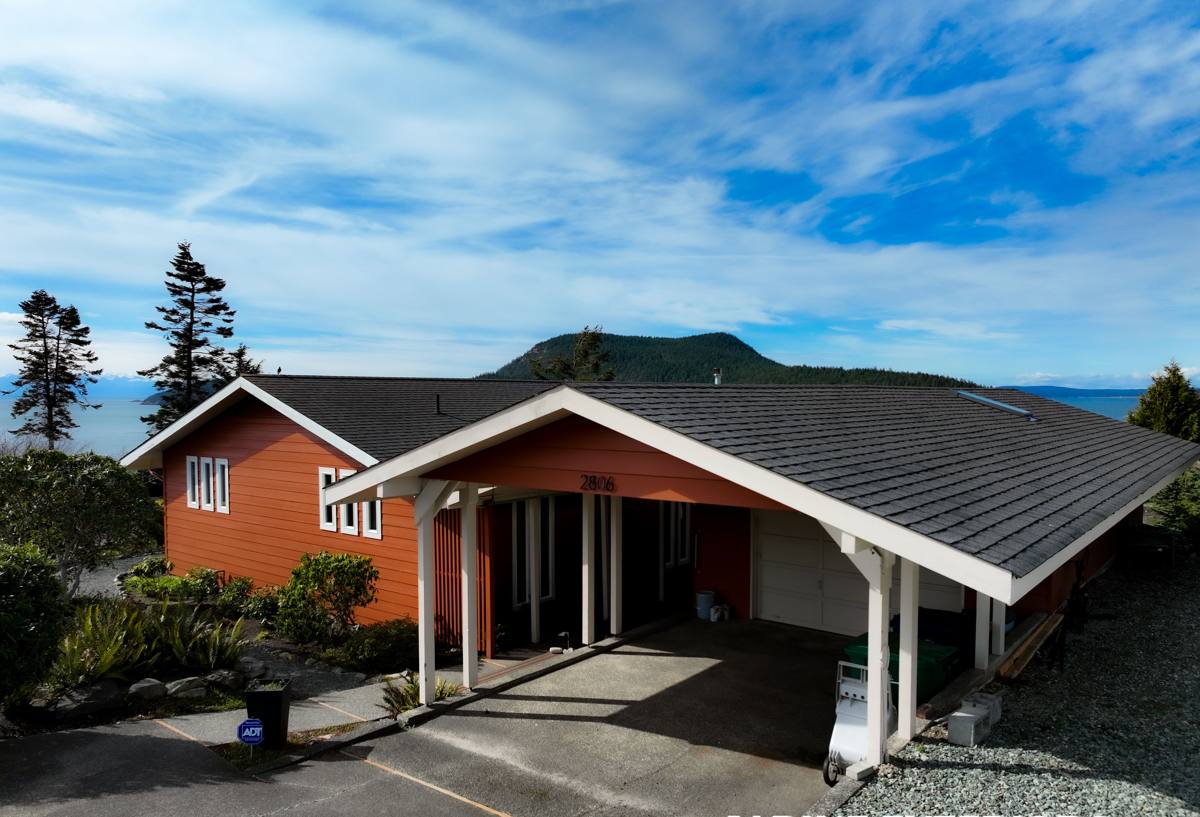
The Pacific Northwest's marine-influenced climate means moisture is the constant threat, not heat or drought. Driving rain — rain pushed sideways by wind rather than falling straight down — finds its way into seams, laps, and fastener points that would stay dry in a calmer climate. Add in the region's famously long moss season, where shaded roof slopes and north-facing siding stay damp for weeks at a stretch, and you get an environment where organic growth, not just weather itself, becomes part of the maintenance picture. Areas with any exposure to salt-laden air from the Sound add another layer of corrosion risk to fasteners, flashing, and hardware.
The Practical Effects
- Moss and algae growth on roofing and shaded siding that traps moisture against the surface
- Paint and caulk failure on wood trim and siding from repeated wet-dry cycling
- Swollen or sticking window sashes from humidity and minor water intrusion
- Soft spots, rot, and fastener corrosion on decks that don't drain or dry properly
- Gutter and flashing failures that go unnoticed until interior damage shows up
None of this is unusual for the area — it's just what a house in Lynden has to deal with every year. The difference between a home that ages well and one that needs constant patching usually comes down to what materials were used and how carefully the original installation handled water management.
Siding: Why We Only Install James Hardie
We install James Hardie fiber cement siding exclusively. We don't install LP SmartSide, vinyl, Cemplank, Allura, primed spruce, or cedar, and we're upfront about why. Each of those products can be installed correctly and can perform reasonably well in the right hands — but in a climate like Whatcom County's, they each carry trade-offs we're not willing to put our name behind.
Wood-based siding products, including engineered wood like LP SmartSide and traditional cedar or primed spruce, depend heavily on paint and caulk maintenance to keep water out of the substrate. Miss a maintenance cycle in a climate with this much sustained moisture, and the wood fiber underneath starts absorbing water, which leads to swelling, delamination at panel edges, and eventually rot. Vinyl siding is low-maintenance in a different way, but it flexes and gaps with temperature swings, can crack in a hard freeze, and doesn't offer the same fire resistance or rigidity. Cemplank and Allura are fiber cement competitors to Hardie and share the same basic material science, but we've standardized on Hardie for consistency of factory finish, product engineering, and warranty support.
James Hardie fiber cement is non-combustible, doesn't absorb water the way wood does, and comes in HZ5 product lines engineered specifically for wetter, more humid climate zones — which describes western Washington well. The factory-applied ColorPlus finish is baked on under controlled conditions, which means better fade and moisture resistance than field-applied paint, and it carries a longer finish warranty. Installed correctly, with the right flashing and clearances, it's the product we trust to hold up through a Lynden winter without babysitting.
Hardie Siding Options We Install
| Product Line | Profile Style | Best Fit For |
|---|---|---|
| HardiePlank | Lap siding | Most single-family homes, traditional look |
| HardiePanel | Vertical panel | Modern facades, accent walls, gables |
| HardieShingle | Staggered or straight-edge shingle | Craftsman and cottage-style homes |
| HardieTrim | Trim boards | Window, door, and corner detailing |
Roofing Built for a Long Wet Season
Roofing in Lynden has to manage two problems at once: shedding a large volume of rainfall efficiently, and resisting the moss and moisture retention that comes from weeks of overcast, damp conditions. A roof that's correctly ventilated, flashed, and underlaid will drain fast and dry out between storms. One that isn't will hold moisture in valleys, around penetrations, and under moss mats, which shortens the life of the roofing material regardless of what it's made of.
We pay close attention to flashing detail around chimneys, skylights, and roof-to-wall transitions, since that's where the vast majority of roof leaks actually originate — not in the open field of the roof itself. Proper attic ventilation also matters more here than people expect, because trapped warm, moist air inside an attic accelerates deterioration from the underside of the roof deck, on top of whatever the weather is doing outside.
Windows That Hold Up to Moisture and Wind
Older or poorly installed windows in this climate tend to show their age through sticking sashes, fogged double-pane glass, and drafts around the frame — all signs that the seal or the flashing has started to fail. Replacement windows do more than improve comfort and energy bills; correctly flashed and integrated with the surrounding siding, they close off one of the most common paths water uses to get behind an exterior wall. We treat window replacement as part of the overall building envelope, not an isolated swap, which matters most on homes getting new siding at the same time.
Decks That Survive Whatcom County Winters
A deck in this region takes on standing water, freeze-thaw cycling, and constant damp shade if it's positioned under trees or on the north side of the house — all common in Lynden's tree-lined residential areas. The details that separate a deck that lasts from one that needs early repair are mostly about water management: proper board spacing and slope for drainage, ledger board flashing where the deck attaches to the house, and fasteners and hardware rated for wet exposure rather than standard interior-grade materials. We build and repair decks with those details as the baseline, not an upgrade.
Why Hiring Local Actually Matters Here
Exterior work isn't just about the materials — it's about installation details that are specific to this climate, and about being reachable if something needs attention after the job is done. A crew that works Whatcom County regularly already knows how local building departments handle permitting, what flashing and clearance details actually hold up here, and how the weather window affects scheduling.
| Factor | Local Crew | Out-of-Area Contractor |
|---|---|---|
| Familiarity with local climate demands | Built into daily work | Often generic, not region-specific |
| Warranty and follow-up service | Easy to reach, nearby | May be difficult to reach later |
| Permitting and local code familiarity | Established relationships | Learning curve each project |
| Scheduling around weather windows | Experience-based judgment | Less local weather insight |
What to Expect From Our Process
Whether the project is a full siding replacement, a re-roof, new windows, or deck work, our process is built around the same basics: an honest assessment of what's actually needed, clear scope and pricing, and correct installation details that account for how water moves around and off a house in this climate.
- On-site inspection and honest evaluation of current condition
- Clear, itemized estimate with no pressure to decide on the spot
- Material selection guidance based on your home's exposure and existing condition
- Attention to flashing, ventilation, and drainage details, not just surface materials
- A defined timeline that accounts for the local weather window
- Warranty documentation you can actually reference later
Cost Factors Homeowners Should Know
Exterior project costs vary widely based on home size, existing condition, and scope, but a few factors consistently move the number more than homeowners expect.
| Factor | Why It Matters |
|---|---|
| Extent of existing damage or rot | Hidden repair work under old siding or roofing adds labor and material |
| Home size and roof/wall complexity | More corners, valleys, and penetrations mean more detail work |
| Material selection | Product lines and finishes vary in upfront cost and long-term maintenance |
| Access and site conditions | Tree cover, slope, and staging space affect labor time |
| Scope bundling | Combining siding, windows, or roofing in one project often reduces total cost versus separate jobs |
Let's Take a Look at Your Home
If your Lynden home is showing signs of moss buildup, water staining, sticking windows, or a deck that's starting to feel soft underfoot, it's worth having someone take an honest look before small problems turn into structural ones. We offer free, no-pressure estimates for siding, roofing, window, and deck work — reach out and we'll walk your property with you and tell you what we actually see.