 Bellingham
 Why This Decision Is Harder Than It Looks
Every siding contractor in Whatcom County gets some version of this call: "There's a soft spot by the downspout, do I need new siding or can you just patch it?" It's a fair question, and the honest answer is almost always "it depends on what's happening behind the siding, not just what you can see on the surface." Bellingham's climate is tough on exterior walls in a specific way — long stretches of driving rain off the Sound, salt-laden air near the water, and a moss season that can run from October through May. Siding here doesn't fail from one big event. It fails slowly, from the back side, and by the time a homeowner notices a problem, the damage is often further along than it looks.
This guide walks through how to tell the difference between a legitimate repair and a situation where replacement is the smarter money, plus what actually drives the cost either way.
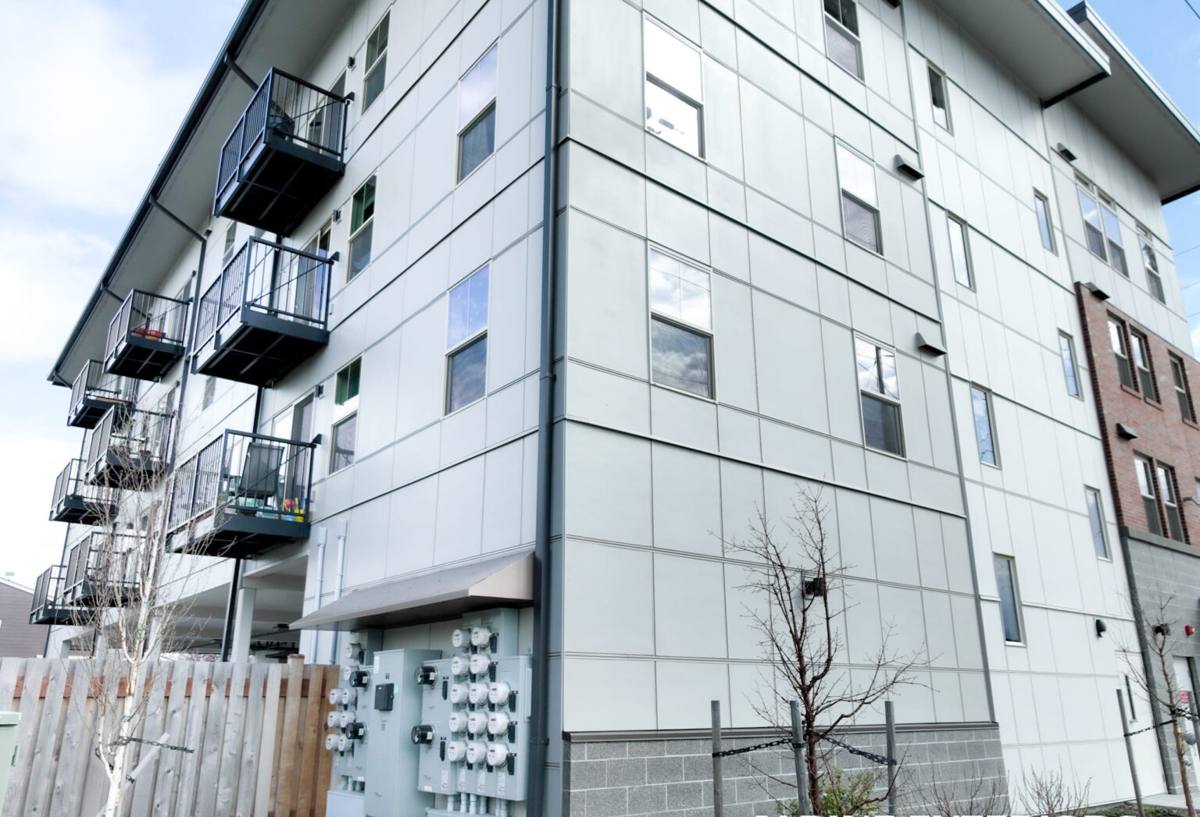
What Our Climate Does to Siding
Whatcom County isn't the wettest place in Washington, but it gets a particular combination of conditions that's rough on siding systems:
- Driving rain: Wind off the Strait and the Sound pushes rain sideways into wall assemblies, especially on west and south-facing elevations, forcing water into laps, seams, and fastener penetrations that would stay dry in calmer weather.
- Salt air: Homes closer to Bellingham Bay and the water deal with airborne salt that accelerates corrosion on fasteners, flashing, and any exposed metal trim — a slow process that shows up as rust streaks and premature fastener failure.
- Moss and organic growth: Shaded, north-facing walls and anything under overhanging trees stay damp for months at a time, which lets moss, algae, and lichen take hold. That growth holds moisture against the siding surface far longer than bare material would.
- Freeze-thaw cycling: It's not extreme here, but Whatcom County does get enough cold snaps to open up small cracks that were already starting from moisture intrusion.
None of this means siding is doomed in this climate — it means the products and installation details matter more here than they would in a drier region, and it means damage tends to start hidden and spread before it's visible.
Signs You're Looking at a Repair
Not every issue means tearing off the whole wall. Genuine repair situations usually share a few traits: the damage is localized, the underlying sheathing and house wrap are still sound, and the rest of the siding is structurally intact and reasonably close in age and condition to the damaged section.
Good candidates for repair
- A single cracked or impact-damaged board from a falling branch or accidental contact
- Localized caulk failure around a window or door that hasn't led to rot behind it
- A small area of moss or algae staining that hasn't compromised the material itself
- Isolated fastener pops or nail corrosion on an otherwise sound wall
- Minor gaps at trim or corner boards letting in wind-driven rain
If the problem is confined to one or two boards and the material around it is still doing its job, a repair is the right call and the cost-effective one.
Signs You're Looking at Replacement
The harder conversations happen when damage that looks small on the surface turns out to be a symptom of something bigger. A few patterns tend to point toward replacement rather than repair:
Warning signs worth taking seriously
- Soft or spongy spots when you press on the siding, especially near the bottom of walls, under windows, or around penetrations — this usually means rot has already reached the sheathing
- Widespread cracking or buckling across multiple sections rather than one isolated board, which often points to a systemic moisture or installation problem
- Persistent moisture, musty odor, or staining on interior walls that lines up with an exterior trouble spot
- Siding that's reaching or past its expected service life, particularly older cedar, primed wood, or degraded vinyl, where the material itself is simply worn out
- Repeated repairs to the same area — if you've patched the same corner two or three times, the root cause hasn't been fixed
- Visible gaps behind siding where you can see house wrap or sheathing that shouldn't be exposed
The general rule: if the damage is about the siding material itself, repair is often viable. If the damage is about what's happening behind the siding — moisture in the wall assembly, failed house wrap, rotted sheathing — patching the visible symptom without addressing the cause just buys a little time before the same spot fails again.
What's Really Driving the Decision: What's Behind the Siding
This is the part homeowners can't assess from the ground, and it's the reason a straightforward-sounding repair sometimes turns into something bigger once a contractor opens up the wall. Siding is the outermost layer of a system that includes house wrap (or building paper), sheathing, and flashing details at every window, door, and penetration. In a climate that drives rain sideways for months at a time, any weak point in that system lets water in — and water that gets behind siding in Bellingham doesn't dry out quickly given how much of the year stays damp.
When we're asked to quote a repair, the first real question isn't "how many boards need replacing" — it's "how did water get in, and how far has it traveled." Sometimes that's a five-minute check. Sometimes it means pulling boards back further than expected to find where the moisture path actually starts. Being upfront about that possibility before work begins is part of an honest estimate.
Repair vs. Replacement: Cost Factors
Actual dollar figures vary by scope, access, and what's found once the wall is opened, but the factors that push a project toward one option or the other are consistent:
| Factor | Favors Repair | Favors Replacement |
|---|---|---|
| Extent of damage | Isolated, one or two areas | Spread across multiple walls or elevations |
| Sheathing condition | Dry, solid when probed | Soft, delaminated, or visibly rotted |
| Age of existing siding | Well within expected service life | At or past typical lifespan for the material |
| Color/material match | Replacement boards can match closely | Discontinued product or heavy fading elsewhere |
| Repair history | First issue in this area | Same spot repaired more than once |
| House wrap/flashing | Intact behind the damaged section | Failed or missing, affecting a larger area |
A useful way to think about it: repair costs less up front but only solves the visible problem. Replacement costs more but resets the clock on the entire wall assembly, including the house wrap and flashing details that repairs typically can't touch.
When Replacement Is the Better Long-Term Value
There's a point where repeated patching stops being the economical choice, even though each individual repair looks cheap. If a home has moisture problems in more than one area, siding that's approaching the end of its service life, or a pattern of recurring failures at the same details, full replacement addresses the actual cause instead of chasing symptoms wall by wall for years.
It's also the point where material choice matters most, because replacement is a decision that's supposed to last decades, not a stopgap. We install James Hardie fiber cement siding exclusively for this reason — it's a non-combustible material engineered specifically for climates like ours, with a factory-applied ColorPlus finish that resists the fading and moisture damage that shortens the life of wood and some other siding types in a wet, coastal climate. When we're recommending replacement over repair, Hardie is what we're recommending it be replaced with, and we're glad to walk through why during an estimate.
A Homeowner's Quick Self-Check
Before calling anyone, a walk around the house can tell you a lot. Here's what to look for on a dry day:
- Press gently on siding near the bottom of walls and under windows — does it flex or feel soft?
- Check corners and trim boards for gaps or separation
- Look at north-facing and shaded walls for moss or dark staining that hasn't been power-washed off in a while
- Look for streaking near fasteners, which can indicate corroding nails or screws
- Check the inside of exterior walls, especially near windows, for stains, bubbling paint, or a musty smell
- Note how many times you've had the same spot repaired
None of this replaces a professional inspection, but it helps you have a more informed conversation when a contractor comes out.
Getting a Straight Answer
Any contractor should be willing to tell you honestly when a repair will hold up and when it won't — not push replacement on something that's genuinely fine, and not talk you into a patch job on a wall that's already failing behind the surface. If a contractor won't probe the sheathing, won't explain what they're finding, or gives you a repair quote without ever opening the wall to check, that's worth a second opinion.
If you're dealing with a soft spot, recurring moisture, or siding that's simply had enough years on it, we're happy to come take a look, tell you plainly what we find, and lay out the repair and replacement options with real numbers behind them — no pressure either way. Reach out for a free estimate using the form below.