 Bellingham
 Sudden Valley's Setting and What It Means for Your Home
Sudden Valley sits on the south shore of Lake Whatcom, wrapped in second-growth forest and built across hillside terrain that shifts from full sun to deep shade within the same lot. That setting is a big part of what makes the community desirable — and a big part of what wears on siding, roofs, windows, and decks faster than homeowners expect. Tree cover holds moisture against exterior surfaces long after a storm has passed. Grade changes mean some homes catch wind and driving rain broadside while others sit tucked into a hollow that almost never sees direct sun. Both situations create problems, just different ones.
We work across Whatcom County, and Sudden Valley is one of the areas where we adjust our approach the most based on where a specific house sits relative to tree line, slope, and lake-facing exposure. A cookie-cutter installation plan doesn't hold up here the way it might on a flat, open lot closer to town.
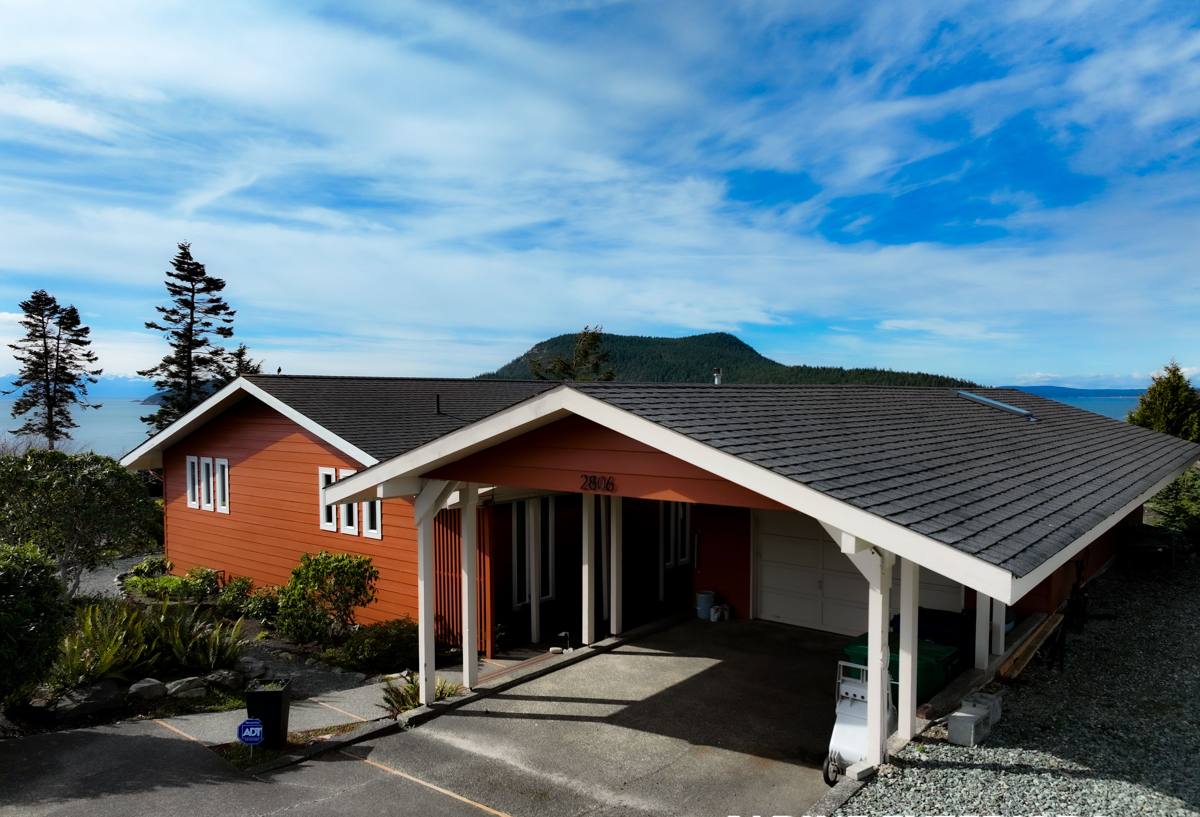
The Climate Factors That Actually Wear on Sudden Valley Exteriors
A Long, Wet Moss Season
Western Whatcom County's rainy season stretches from fall through spring, and in a heavily wooded community like Sudden Valley, surfaces stay damp longer than they would in the open. Moss and algae take hold on north-facing walls, shaded roof slopes, and anywhere debris collects — and once established, moss holds moisture against the surface underneath it, which accelerates rot in wood trim, degrades paint film, and can shorten the life of roofing material that isn't built to shed it.
Driving Rain and Wind-Driven Moisture
Storms coming off the Salish Sea and Bellingham Bay pick up moisture and force it sideways, not just down. Homes with less tree buffering, or those on more exposed slopes within Sudden Valley, take that rain directly on wall assemblies and window flashing. Even homes set well back from open water still carry a share of that marine moisture load — it's baked into the regional climate, not just a waterfront issue.
Shade, Debris, and Slow Drying
Forest cover is a double-edged sword. It moderates temperature swings, but it also drops needles, leaves, and organic debris into gutters, roof valleys, and deck boards year-round, and it blocks the sun that would otherwise dry surfaces out between rain events. Materials that depend on sun exposure to dry properly are at a real disadvantage in a lot like this.
Siding That Holds Up in This Environment
We install James Hardie fiber cement siding exclusively, and Sudden Valley is a good example of why that standard exists. Fiber cement is non-combustible and dimensionally stable, and it doesn't feed the same rot cycle that wood-based and wood-adjacent siding products can when they stay damp for extended stretches under tree cover. Hardie's ColorPlus factory finish is baked on and engineered to resist the fading and moisture intrusion that shaded, moss-prone walls are especially hard on.
We don't install vinyl, LP SmartSide, Cemplank, Allura, primed spruce, or cedar, and it's worth being straightforward about why:
| Material | Common trade-off in a shaded, high-moisture setting |
|---|---|
| Vinyl | Can warp or become brittle with temperature swings; seams and moisture behavior are less forgiving over decades of Northwest damp |
| LP SmartSide / engineered wood | Wood-strand core is more sensitive to sustained moisture exposure than cement-based products, especially where drying time is limited by shade |
| Primed spruce / cedar | Natural wood requires ongoing refinishing and is more vulnerable to rot once moss or organic buildup holds moisture against the surface |
| Cemplank / Allura | Also fiber cement, but we've standardized on Hardie's HZ5 climate-engineered formulation and warranty structure for our region |
Hardie's HZ5 product line is engineered for exactly this kind of climate — freeze-thaw cycles, sustained moisture, and the wet-dry cycling that shaded lots go through all winter. Paired with correct installation — proper clearances, flashing, and fastening to spec — it's the product we're willing to put our name behind on a lot like the ones you find throughout Sudden Valley.
Color Choices for Wooded Lots
Homes tucked into forest tend to read differently than homes on open ground — darker greens, deep grays, and warm neutrals from Hardie's ColorPlus palette generally sit well against a backdrop of evergreens, while brighter whites can show moss and pollen streaking faster in a shaded setting. It's a small decision, but one worth talking through before you commit to a color.
Roofing Considerations Specific to Sudden Valley
Roofs here take the brunt of both problems at once: heavy debris load from surrounding trees and slow drying on shaded slopes. Moss on a roof isn't just cosmetic — left alone, it lifts shingle edges, holds water against the roofing material, and shortens the roof's service life. Valleys and north-facing slopes are where we see the most accelerated wear. Gutter systems matter more here than in a lot of the county too, since a clogged gutter on a tree-lined lot backs up quickly and can drive water back under the roof edge or down a fascia board.
When we look at a roof in this neighborhood, we're paying close attention to how much of it sits under continuous canopy versus how much gets real sun exposure, because that changes both the maintenance schedule and, in some cases, the material recommendation.
Windows: Where Shade and Moisture Meet
Older windows in shaded, damp settings are prone to seal failure, fogging between panes, and frame deterioration around the sill — moisture that would evaporate quickly on a sunnier lot instead sits and works its way into gaps over a season or two. Replacement windows with modern flashing details and tighter seals hold up significantly better here, and window replacement is also a natural point to correct any water intrusion issues that have been developing quietly around older openings.
Decks: The Feature Most at Risk From Shade
Decks are usually the first thing to show wear on a wooded Sudden Valley lot. Constant shade means slower drying, and slower drying means more time for moss, mildew, and soft spots to develop in ledger boards, joists, and decking material — especially anywhere leaves and needles collect and hold moisture against the wood. A deck that would last two decades in full sun can show structural problems in half that time under heavy tree cover if it isn't built and maintained with that reality in mind.
Composite decking, better under-deck drainage planning, and simply keeping debris cleared go a long way in this kind of setting — but the ledger connection to the house and the framing underneath matter just as much as what's visible on the surface.
Why a Local Crew Matters Here
A crew that only works flat, open lots in town doesn't necessarily think about slope, canopy, and drainage the way a Sudden Valley property demands. We're a Whatcom County contractor, and we treat lots like these differently from the start — flashing details get extra attention where wall sections stay damp longer, roof material and gutter sizing get matched to debris load, and deck framing gets built with the understanding that sun won't be doing much of the drying work. That's the kind of judgment that only comes from working this specific climate and this specific kind of terrain repeatedly, not from a generic install checklist.
A Practical Maintenance Checklist for Sudden Valley Homes
- Clear gutters and downspouts at least twice a year, more often on heavily treed lots
- Check north-facing and shaded siding and roof sections for moss buildup each fall and spring
- Keep tree limbs and shrubs trimmed back from siding and roof edges to improve airflow and drying
- Inspect deck ledger boards and framing annually, especially on decks under continuous canopy
- Have window seals and flashing checked if you notice fogging, drafts, or soft trim
- Address moss with gentle, appropriate methods rather than aggressive pressure washing that can damage siding or shingle surfaces
What This Means for Planning Exterior Work
If you're weighing a full siding replacement, a roof nearing the end of its life, aging windows, or a deck that's starting to feel soft underfoot, the right approach in Sudden Valley starts with an honest look at how much shade and moisture exposure that specific part of the house actually deals with. Two homes on the same street can need genuinely different solutions depending on canopy cover and orientation, and that's the kind of assessment worth getting right before material and budget decisions get locked in.
If you'd like a straightforward look at where your home stands, we're happy to come out, walk the property, and give you a free, no-pressure estimate — no obligation, just an honest read on what your siding, roof, windows, or deck actually need.