 Bellingham
 Why Metal Roofing Makes Sense in Barkley
Barkley sits close enough to Bellingham Bay that salt-laden air reaches every roof in the neighborhood, even homes that feel tucked away from the water. Add in the steady rain that rolls through Whatcom County most of the year and the shade from mature landscaping that keeps roof surfaces damp long after a storm passes, and you have a climate that is genuinely hard on roofing materials. Metal roofing holds up to that combination better than most alternatives, which is why we install more of it in Bellingham's newer, well-kept neighborhoods every year.
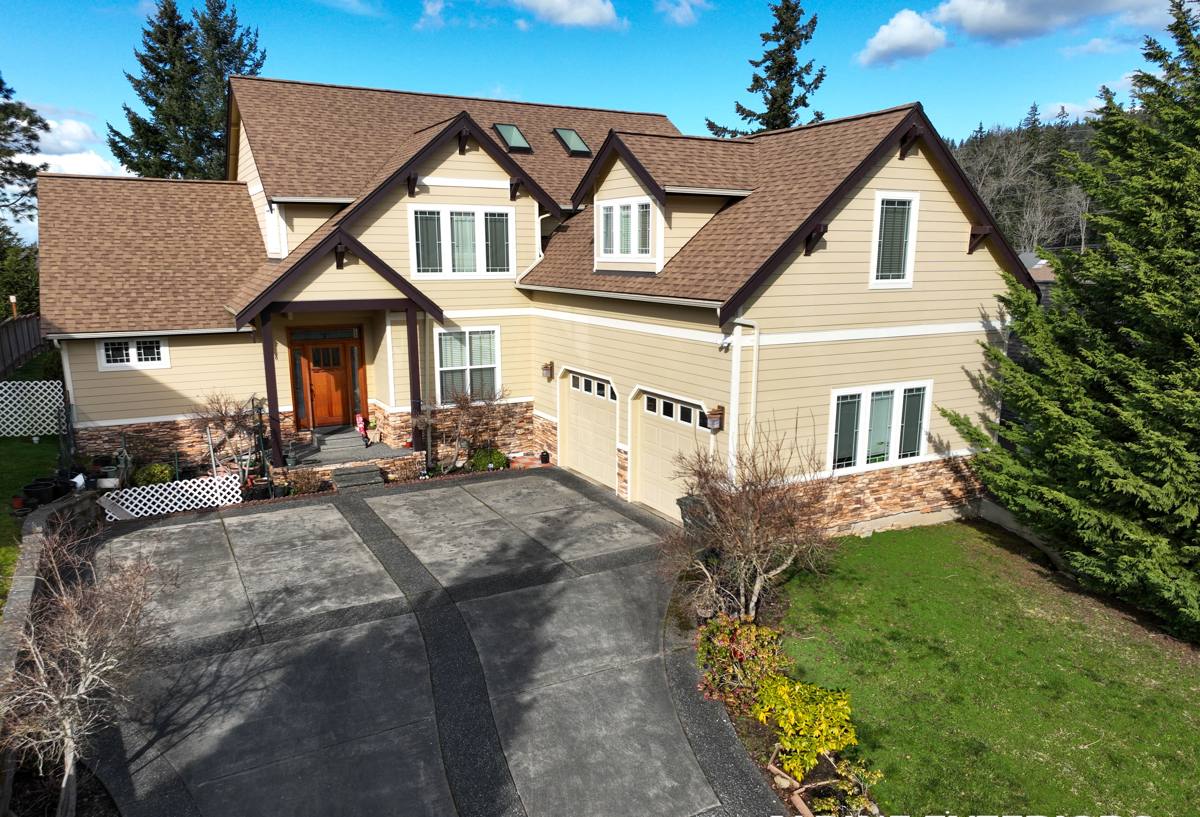
Barkley's homes tend to be relatively recent builds with clean rooflines, consistent pitches, and an overall look that a well-chosen metal roof complements rather than fights. A correctly specified and installed system can outlast two or three cycles of asphalt shingle roofing, shrug off moss the way shingles never will, and hold its color and finish through decades of Pacific storms — provided the materials, fasteners, and flashing details are matched to this specific climate.
What Bellingham's Climate Actually Does to a Roof
Salt Air and Corrosion
Even a few miles inland from Bellingham Bay, airborne salt settles on exposed metal and slowly attacks anything that isn't rated for a marine or near-coastal environment. Bargain-grade fasteners, unprotected cut edges, and mismatched flashing metals are where this shows up first — usually as rust streaks or pitting years before the main roof panels show any wear.
Driving Rain and Wind-Driven Water
Storms coming off the Pacific rarely fall straight down here. Wind-driven rain pushes water sideways and upward under laps, seams, and flashing that weren't detailed for it. A metal roof sheds water well by design, but only if the underlayment, seam laps, and penetration flashing are built to handle water moving in more than one direction.
Moss, Shade, and Prolonged Moisture
Whatcom County's long, mild, wet stretch of fall through spring is exactly what moss needs to establish itself, especially on north-facing slopes and roofs shaded by trees — common in Barkley's more established sections. Moss holds moisture against a roof surface and works its way under shingle tabs over time. Metal doesn't give moss the foothold it needs, which removes one of the biggest long-term maintenance headaches homeowners here deal with.
Metal Roofing Systems We Install
Not all metal roofing is the same product wearing different colors. The panel type, seam style, and fastening method all affect how a roof performs in this climate and how it reads visually on a Barkley home.
Standing Seam
Concealed fasteners, raised interlocking seams, and panels that float on clips to allow for thermal movement. This is the system we recommend most often for this area because there are no exposed screw heads for salt air and driving rain to work on over time.
Exposed Fastener Panels
A more economical option using screws driven through the panel face into gasketed washers. It performs well when installed correctly and the fasteners are the right coated or stainless spec for a coastal-influenced climate, but the washers and fastener heads are the first thing to age and need attention over the roof's life.
Metal Shingles and Tile Profiles
Interlocking panels formed to resemble shingle, shake, or tile from the street. These fit well on homes where the surrounding streetscape leans traditional, giving the durability of metal without changing the character of the block.
| System | Fasteners | Best Fit | Maintenance Over Time |
|---|---|---|---|
| Standing Seam | Concealed clips | Homes prioritizing longevity and a clean modern or traditional line | Lowest — no exposed fastener heads to monitor |
| Exposed Fastener | Gasketed screws through panel face | Budget-conscious projects, outbuildings, simpler rooflines | Moderate — washers and fasteners age faster near salt air |
| Metal Shingle/Tile Profile | Concealed or interlocking | Homes wanting a traditional look with metal's durability | Low, similar to standing seam |
What a Correct Metal Roof Installation Involves
Metal roofing earns its reputation for durability only when the details underneath the panels are done right. This is where a rushed or inexperienced install shows up years later as a leak, not on day one.
- A synthetic underlayment rated for the panel type, not leftover felt from a shingle job
- Ice-and-water shield style membrane at eaves, valleys, and around penetrations, where wind-driven rain concentrates
- Fasteners and flashing metal matched to each other and rated for coastal exposure — mixing incompatible metals invites galvanic corrosion
- Panel clips or fastener spacing that allows for thermal expansion and contraction without buckling
- Properly formed, not just caulked, flashing at chimneys, skylights, and roof-to-wall transitions
- Ridge or intake ventilation sized to the attic, so trapped moisture doesn't condense against the underside of the panels
- Gutters and drip edge sized for Whatcom County's rainfall volume, not a builder-grade minimum
Signs of a Quality Metal Roof Job
When you're evaluating a finished installation — ours or anyone else's — a few things separate a correct job from a fast one: straight, consistent seam lines with no visible waviness in the panels; flashing that's bent and formed to the roof geometry rather than patched with sealant; fastener heads that are flush and uniformly torqued, not overdriven or stripped; and no exposed cut edges left unsealed where rust can start.
Fitting Barkley's Look
Barkley is a planned neighborhood with a consistent, cared-for appearance, and roofing choices here tend to get noticed by neighbors more than in older, more mixed-style parts of Bellingham. If your property is subject to architectural guidelines or HOA review, we work within those requirements on panel profile and color rather than treating them as an obstacle — it's a normal part of quoting a job in a planned community. A well-chosen standing seam or metal shingle profile in a muted, traditional color reads as a roof upgrade, not a departure from the street.
Our Process, Start to Finish
- On-site assessment of your existing roof, decking condition, ventilation, and any problem areas like valleys or chimney flashing
- A written estimate that spells out panel type, underlayment, flashing scope, and any tear-off or decking repair involved — no vague allowances
- Material selection, including color and profile, with samples if you're weighing more than one option
- Scheduling that accounts for Whatcom County's rain patterns, so installation happens in a realistic weather window
- Tear-off (if needed), underlayment, flashing, and panel installation in sequence, with daily site cleanup
- A final walkthrough covering fasteners, seams, flashing, and gutters before we consider the job done
Maintenance and What to Expect Over Time
A correctly installed metal roof is genuinely low-maintenance, which is part of the appeal after dealing with moss and shingle wear. That doesn't mean zero-maintenance. We recommend an annual look at valleys and gutters for accumulated needles and debris, since Barkley's landscaping means most roofs collect some organic material even without moss taking hold. Fastener and flashing condition should be checked periodically, especially on exposed-fastener systems, and any scratches to the finish should be touched up before bare metal is left exposed to salt air. Done right, these are five-minute checks, not projects.
Cost Factors to Understand
Metal roofing costs more upfront than asphalt shingles, and the final number depends on more than square footage. Rather than quote a number that won't reflect your actual roof, here's what actually moves the price:
| Factor | Why It Matters |
|---|---|
| Panel system chosen | Standing seam runs higher than exposed-fastener panels due to labor and clip hardware |
| Roof complexity | Valleys, dormers, and multiple pitches mean more custom flashing and cutting |
| Tear-off vs. new decking | Deck repair or replacement adds cost but is sometimes unavoidable once the old roof comes off |
| Penetrations | Each chimney, skylight, and vent stack needs its own properly formed flashing |
| Access and site conditions | Steep pitches or tight lot access affect crew time and equipment needs |
We'll walk through where your project lands on each of these during the estimate, so the number you get reflects your actual roof rather than a generic average.
Why a Crew That Already Works in Barkley Matters
A roofer who already knows the typical roof pitches, HOA expectations, and access patterns in Barkley isn't guessing on your project the way an out-of-area crew might. We've seen firsthand what Bellingham Bay's salt air and Whatcom County's rain do to roofing materials over years, not just at installation. That experience shapes which fasteners, coatings, and flashing details we insist on, even when a cheaper option is available. It's a professional standard we hold ourselves to, not a claim about anyone else's work.
If you're weighing a metal roof for your Barkley home, we're happy to take a look and walk you through your options honestly — including when a repair or a different roofing type makes more sense than a full replacement. Reach out for a free, no-pressure estimate using the form below.