 Bellingham
 Windows Built for Columbia's Marine Climate
The Columbia neighborhood sits close enough to Bellingham Bay that salt air, wind-driven rain, and a moss season that can stretch from October into May are simply part of owning a home here. Windows take more abuse in this kind of environment than most homeowners realize — not from any single dramatic event, but from years of steady moisture exposure, temperature swings, and airborne salt working on seals, frames, and finishes. A window that's a poor match for this climate won't necessarily fail in year one. It'll fail slowly, in ways that are easy to miss until you're dealing with fogged glass, soft trim, or a draft that never seems to go away.
We work on homes throughout Bellingham and Whatcom County, and Columbia is one of the areas where we see this pattern most consistently — older housing stock, mixed original and previously-replaced windows, and a lot of variation in how well past installs actually held up. This page covers what custom window replacement looks like when it's done right for this specific part of town.
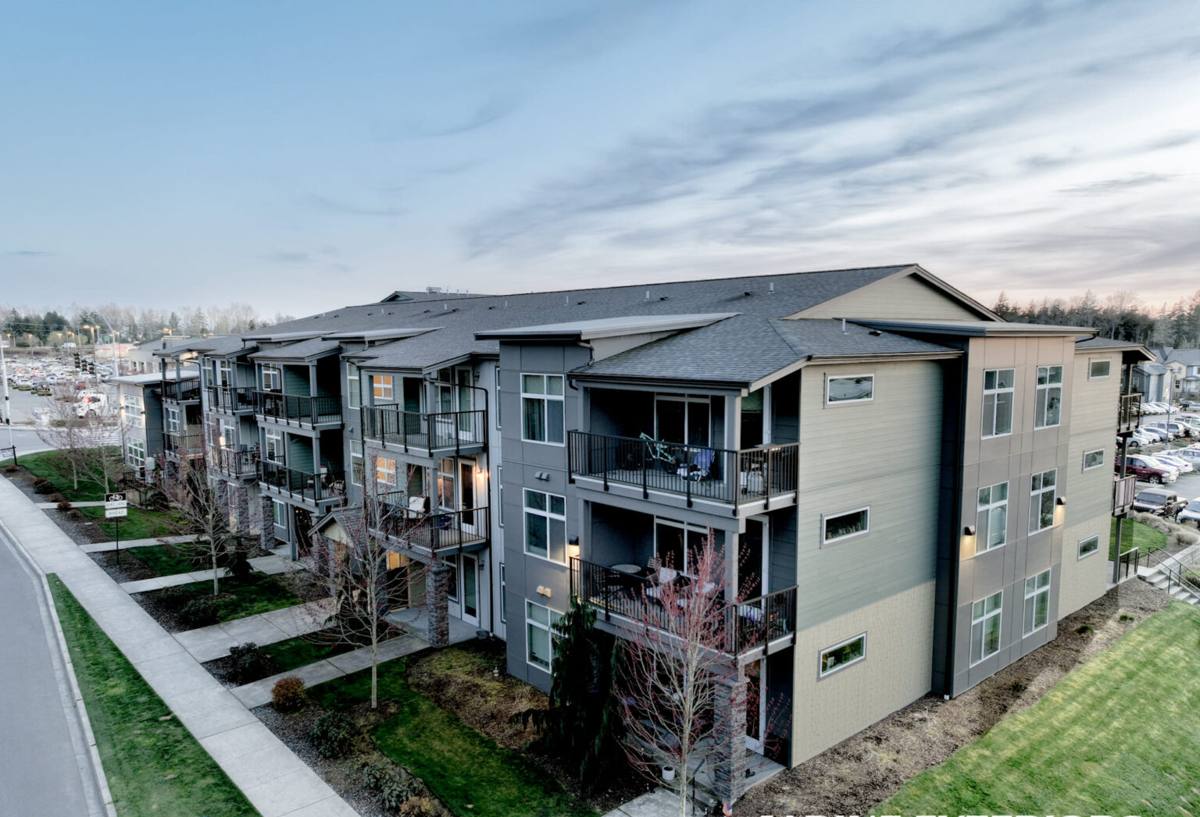
What Salt Air, Rain, and Moss Actually Do to a Window
It helps to understand the mechanism, not just the symptom. Three things drive most of the window problems we see in Columbia homes:
Salt-Laden Air
Proximity to the bay means airborne salt settles on exterior surfaces year-round. On metal window components — hardware, some cladding, older aluminum frames — this accelerates corrosion. On vinyl and wood, salt residue holds moisture against the surface longer than it would inland, which speeds up wear on finishes and seals.
Driving, Wind-Driven Rain
Bellingham doesn't just get rain — it gets rain pushed sideways by wind off the water, especially during fall and winter storms. That matters because a window's weakest point usually isn't the glass, it's the perimeter: the flashing, the sill pan, and the seal between the window unit and the rough opening. Vertical rain a window can usually shed. Wind-driven rain finds every gap in flashing and caulking that gravity alone wouldn't reach.
Extended Moss and Mildew Season
Damp, shaded conditions for much of the year mean moss, algae, and mildew get a long runway to establish themselves on sills, tracks, and any wood trim that isn't well sealed or ventilated. Once organic growth takes hold in a window track or on a sill, it holds moisture against the material continuously — which is a much worse condition than an occasional soaking.
None of this means Columbia homes need exotic solutions. It means the details that are easy to shortcut on a window install — flashing sequence, sill pan drainage, sealant selection, and material choice — matter more here than they would in a drier inland climate.
Signs a Columbia Home's Windows Are Due for Replacement
- Visible fogging or moisture between panes on double- or triple-glazed units — the seal has failed and the insulating gas is gone
- Soft, spongy, or discolored wood at the sill or lower frame corners
- Persistent drafts you can feel with a hand near the frame on a windy day
- Windows that are difficult to open, close, or lock — often a sign the frame has shifted or swollen
- Visible corrosion on hardware, hinges, or older aluminum frame components
- Moss, algae, or black mildew staining that keeps returning to the sill or lower sash no matter how often it's cleaned
- A noticeable jump in heating costs with no other explanation
- Condensation on the inside of the glass regularly during colder months
Any one of these on its own might just mean a repair. Several together, especially on windows original to an older Columbia home, usually points to replacement being the more cost-effective path.
Choosing Window Materials for This Climate
There's no single "best" window material for every home — it depends on the home's age, exposure, and your maintenance preferences. But some materials handle Bellingham's marine conditions better than others, and it's worth understanding the trade-offs before you commit.
| Material | Salt Air / Moisture Behavior | Maintenance | Typical Lifespan |
|---|---|---|---|
| Vinyl | Doesn't corrode; performs well in salt air; seams and welds are the main long-term watch point | Low — occasional cleaning | 20-30+ years |
| Fiberglass | Very stable in wet, salty conditions; minimal expansion/contraction | Low | 30-40+ years |
| Wood (clad exterior) | Interior wood look with a protected exterior; cladding must be fully intact to keep moisture off the wood | Moderate — cladding needs to stay sealed at joints | 20-30 years, more with upkeep |
| Wood (unclad) | Highest maintenance burden in this climate; exposed wood is vulnerable to the extended damp/moss season | High — regular painting/sealing required | Variable, heavily dependent on upkeep |
| Aluminum (uninsulated) | Prone to corrosion near the bay; conducts cold and promotes interior condensation | Moderate to high | Often replaced earlier than other materials in this climate |
For most Columbia homes, we steer clients toward vinyl or fiberglass for the exterior-facing performance, or clad-wood when the homeowner wants a traditional wood interior and understands the cladding needs to stay fully sealed at every joint. We're honest that uninsulated aluminum and unclad exterior wood carry a real maintenance burden this close to the water — not because those materials are bad products, but because they demand more upkeep than most homeowners want to sign up for in a house that already gets months of driving rain a year.
What a Correct Custom Window Installation Involves
"Custom" windows means the units are built to your home's exact rough openings rather than pulled from stock sizes — important in older Columbia homes where openings are rarely perfectly standard. But fit is only part of the job. The install details matter just as much as the window itself:
Sill Pan and Drainage
A proper sill pan gives any water that gets past the exterior seal somewhere to go, rather than sitting against the framing. This is one of the most commonly skipped steps in lower-quality installs, and it's exactly the detail that matters most under driving rain.
Flashing Sequence
Flashing has to be layered correctly — sill, jambs, then head — so water sheds downward and outward at every layer, shingle-style. Done out of order, flashing can actually trap water against the framing instead of directing it away.
Sealant Selection and Placement
Not every exterior sealant is rated for the same movement and UV exposure. We use products suited to sustained damp conditions, and we don't seal every gap solid — some assemblies need a weep path so incidental moisture can still drain rather than being sealed in.
Insulation Around the Frame
Gaps between the window frame and rough opening need to be filled with a low-expansion insulating foam or backer rod, not stuffed with fiberglass batting, which does little to stop air infiltration and can hold moisture.
Interior and Exterior Trim
Trim gets resealed and, where needed, replaced — old caulk lines are a common point of failure that predates the window itself.
Our Process, Start to Finish
- On-site assessment: We look at each window individually — some Columbia homes have a mix of original and previously-replaced units, and they don't all need the same treatment.
- Measurement and material selection: Custom units are measured to the actual opening, and we walk through material trade-offs based on your home's exposure and your maintenance preferences.
- Removal: Old units come out carefully, with attention to what the existing flashing and framing look like underneath — this is often where hidden moisture damage from a prior install shows up.
- Repair of hidden damage: If we find soft framing or failed prior flashing, we address it before the new window goes in. Installing a new window over damaged framing just resets the clock on the same problem.
- Installation: Sill pan, flashing, insulation, and sealant go in following the sequence above, not shortcuts.
- Finish work: Interior and exterior trim, final sealant lines, and a functional check of every opening, lock, and lock point.
- Walkthrough: We go over what maintenance the new windows will actually need — which, done right, should be minimal.
Why Local Experience in Columbia Specifically Matters
A crew that mostly works drier inland areas can still install a window competently — but they may not default to the flashing and drainage details that this neighborhood's rain and salt exposure actually demands, because they don't see the failures those shortcuts cause as often. Working repeatedly in Columbia and the surrounding Bellingham neighborhoods means we've opened up enough old installs to know exactly which shortcuts cause problems five or ten years down the line, and we build around avoiding them from the start.
It also means we're familiar with the older housing stock common in this part of town — non-standard rough openings, older framing methods, and the kind of hidden moisture issues that tend to show up once you pull the old trim off. That familiarity shortens the assessment process and reduces surprises mid-project.
Maintaining Your Windows After Installation
Even a well-installed window benefits from basic upkeep in this climate. A short seasonal routine goes a long way:
- Rinse salt residue off exterior frames and hardware a few times a year, especially after storms
- Clear moss and debris from sills and tracks before it has a chance to hold moisture against the frame
- Check exterior caulk lines annually and touch up any that have cracked or pulled away
- Keep weep holes (on vinyl and fiberglass units) clear so incidental water can drain as designed
- For clad-wood windows, inspect cladding joints for any gaps that could let moisture reach the wood underneath
- Operate each window a few times during the wetter months so tracks and hardware don't seize up
What Affects Cost
Every Columbia home is different, so we don't quote sight-unseen, but the main cost drivers are consistent: window material, unit size and configuration (single windows versus multi-panel assemblies), the condition of the existing opening and framing, and how many windows are being replaced at once. Replacing several windows in one project is typically more cost-efficient per unit than doing them one at a time, since setup and site work get spread across the job. We'll walk through the real trade-offs for your home rather than pushing toward the most expensive option by default.
If your Columbia home's windows are showing any of the signs above — or you're just planning ahead for a home in this climate — we're glad to take a look and give you a straightforward, no-pressure estimate. Use the form below to get started.