 Bellingham
 Roofing in Columbia: A Different Set of Demands
The Columbia neighborhood sits close enough to Bellingham Bay that salt-laden air is a fact of life for anything metal on a roof — flashing, fasteners, vents, gutters. Add in the driving rain that comes off the Sound during winter storms and the long, damp moss season that runs from fall through spring, and you have a roofing environment that punishes shortcuts. A roof that's correctly built for inland Whatcom County conditions isn't automatically correct for a home a few blocks from the water. Small differences in material choice, fastener selection, and ventilation detailing matter more here than most homeowners realize until they're dealing with a leak or premature wear.
This page covers what a proper new roof installation looks like for a Columbia home specifically — not roofing in general.
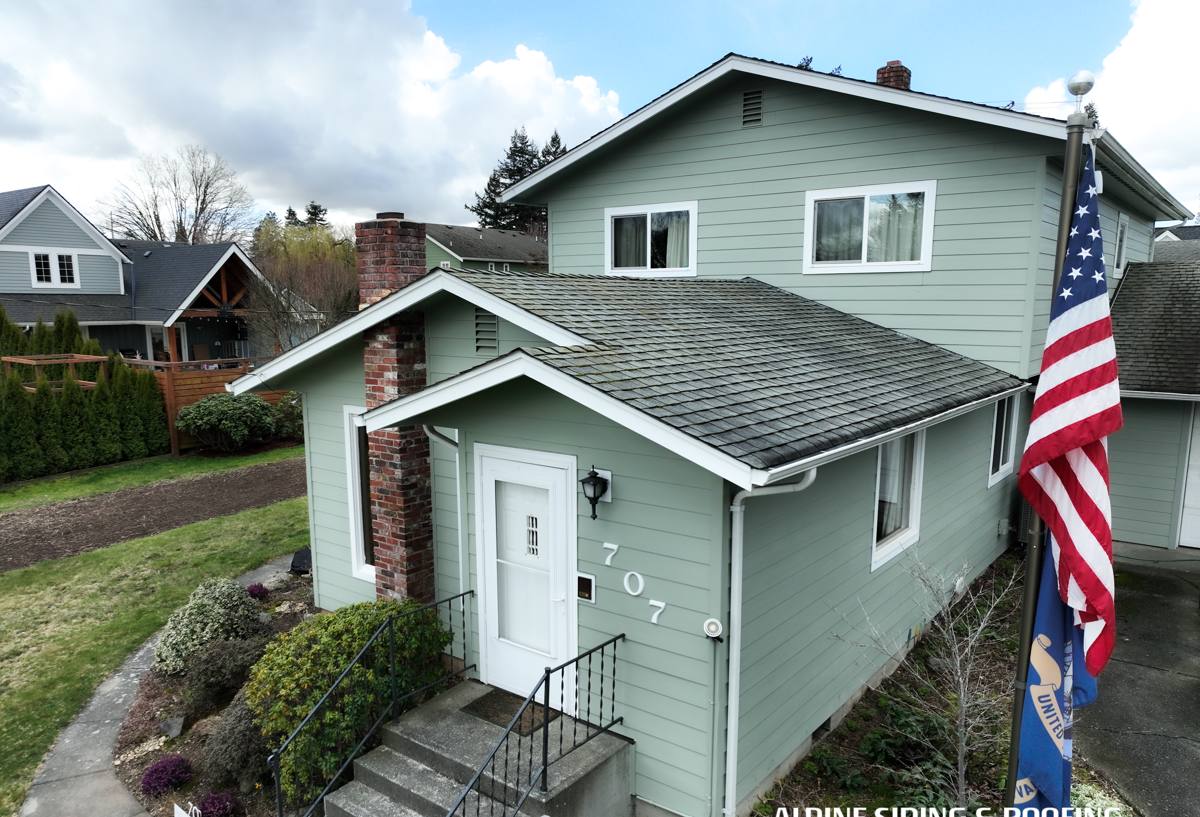
What Bellingham's Climate Does to a Roof Over Time
Salt Air
Homes closer to the bay see accelerated corrosion on exposed metal. Cheap or mismatched fasteners, uncoated flashing, and lower-grade vents can start showing rust and pitting years before they would inland. This is one of the most overlooked factors in roofing near the water — the shingles might be rated for decades, but if the metal components underneath and around them aren't suited to a marine-influenced environment, they become the weak point.
Driving Rain
Storms here don't always come straight down. Wind-driven rain gets pushed sideways under standard laps, around poorly sealed penetrations, and into any gap in the underlayment. A roof system built for a drier climate — one that relies on gravity alone to shed water — isn't built for this. Underlayment coverage, valley treatment, and flashing details all need to account for water moving sideways and upward under wind pressure, not just straight down.
Moss Season
Bellingham's combination of shade, moisture, and mild temperatures gives moss a long growing window. Moss holds water against the roof surface, works into shingle laps, and — left unchecked — lifts material and accelerates decay in the decking below. It also adds weight and can clog gutters and valleys, backing water up under the roof edge. Moss resistance starts with the roofing material and slope but is reinforced by ongoing maintenance, which we'll get into below.
What a Correct New Roof Installation Includes
A new roof is more than shingles on plywood. Every layer does a job, and skipping or under-specifying any of them shows up later as a leak, premature failure, or a warranty claim that gets denied because the installation didn't meet manufacturer requirements.
- Tear-off and deck inspection: Old roofing removed down to the deck so we can actually see the sheathing condition — soft spots, rot, or delamination get found and fixed before anything new goes down, not after.
- Deck repair or replacement: Any damaged sheathing is replaced. Roofing over a compromised deck is a common shortcut that fails within a few years.
- Ice-and-water shield at vulnerable areas: Eaves, valleys, and penetrations get a self-adhering waterproof membrane, not just standard felt, given how often wind-driven rain and moss-related water intrusion target these spots.
- Full synthetic underlayment: A continuous water-resistant layer across the whole deck, properly lapped, as the backup line of defense under the roofing material.
- Corrosion-resistant flashing and fasteners: Especially important in Columbia given the proximity to the bay — this is a place where cutting corners on metal quality costs you early.
- Balanced ventilation: Intake at the eaves, exhaust at the ridge, sized to the attic — this controls moisture buildup underneath the roof, which affects both roof lifespan and moss/mold risk.
- Manufacturer-compliant installation: Nailing pattern, exposure, and starter course done to spec so the material warranty is actually valid, not voided by an installation shortcut.
Choosing the Right Roofing Material for This Location
There's no single "best" roofing material — the right choice depends on your roof's slope, sun/shade exposure, budget, and how the home sits relative to wind and moisture. Here's how the common options compare for a Columbia home specifically.
| Material | Salt Air Durability | Moss Resistance | Maintenance | Typical Lifespan |
|---|---|---|---|---|
| Architectural asphalt shingles | Good with proper flashing/fasteners | Moderate — benefits from algae-resistant granules and regular cleaning | Low to moderate | 25-30 years |
| Standing seam metal | Very good with coated/marine-grade fasteners | Very good — smooth surface sheds moss more easily | Low | 40-50+ years |
| Wood shake/shingle | Fair — needs diligent maintenance near salt air | Poor without regular treatment and cleaning | High | 20-30 years with upkeep |
| Synthetic/composite shingles | Good | Moderate to good depending on product | Low | 30-50 years |
We'll walk through these trade-offs with you honestly, including where a lower upfront cost material means more maintenance down the road versus a higher upfront cost that pays back in fewer callbacks and less moss management over the roof's life.
A Note on Wood Shake in This Climate
Wood shake has real aesthetic appeal and a lot of homeowners like the look on Columbia's older housing stock. Our professional standard is to be upfront about what it takes to keep it performing well here: it needs consistent moisture management, periodic treatment, and more frequent moss removal than composition or metal roofing, because its texture gives moss and moisture more surface to grab onto. If you want the wood shake look, we'll install it correctly and tell you honestly what the maintenance schedule needs to look like — we just don't want you finding that out the hard way three years in.
Our Installation Process
1. On-Site Assessment
We inspect the existing roof, decking (where visible), attic ventilation, and any problem areas — chimney flashing, valleys, skylights — before ever quoting a job. This is also when we talk through material options based on your home's actual exposure.
2. Written Estimate
You get a clear, itemized estimate — material, labor, disposal, and any deck repair contingencies spelled out, not buried in a lump sum.
3. Tear-Off and Protection
We protect landscaping and gutters, remove the old roofing, and inspect the deck before a single new shingle or panel goes down.
4. Installation
Underlayment, ice-and-water shield, flashing, ventilation, and the roofing material itself, installed to manufacturer spec so your warranty is intact.
5. Cleanup and Final Walkthrough
Magnetic sweep for stray fasteners, full site cleanup, and a walkthrough so you know exactly what was done and what maintenance (if any) to expect going forward.
Cost Factors for Columbia Roof Replacements
Every roof is different, but the main variables that move the price are consistent. We'll give you honest ranges once we've actually seen your roof — anyone quoting a firm number sight unseen is guessing.
| Factor | Why It Matters |
|---|---|
| Roof size and pitch | More material and steeper/more complex pitches take more labor and safety setup |
| Number of layers to remove | Tear-off of multiple existing layers adds labor and disposal cost |
| Deck condition | Rotted or soft sheathing needs replacement before new roofing goes down |
| Material selection | Asphalt, metal, and composite have different material and labor costs |
| Roof complexity | Valleys, dormers, chimneys, and skylights add flashing work and time |
| Ventilation upgrades | Adding or correcting intake/exhaust venting affects both cost and long-term performance |
Why Local Experience in Columbia Matters
A crew that regularly works Columbia and the surrounding Bellingham neighborhoods knows how this specific stretch of Whatcom County behaves — which roofs need extra attention to moss buildup because of tree cover and shade, which streets sit close enough to the bay to justify upgraded flashing and fasteners, and how local wind patterns tend to drive rain during winter storms. That's the kind of judgment that only comes from doing this work in this area repeatedly, not from a general roofing checklist. It also means we're a known, findable crew if you ever need a warranty question answered or a follow-up visit — not a company that did one job in the neighborhood and moved on.
Maintaining Your New Roof
A well-installed roof still benefits from basic upkeep, especially given the moss season here:
- Keep gutters clear so water isn't backing up under the roof edge
- Trim back overhanging branches to reduce shade and debris buildup that feed moss growth
- Have moss removed gently (not pressure-washed, which can strip granules) before it takes hold
- Schedule a periodic visual inspection, especially after major windstorms
- Address small flashing or sealant issues early, before they become deck-level problems
If you're planning a roof replacement in Columbia and want a straight answer about what your home actually needs, we're glad to take a look. Fill out the form below for a free, no-pressure estimate — we'll assess your roof honestly and walk you through your options.