 Bellingham
 Asphalt Shingle Roofing for Cordata Homes
Cordata sits on the north side of Bellingham, close enough to the water and the tree line that its roofs take a specific kind of beating: salt-tinged air rolling in off the Strait, long stretches of driving rain through fall and winter, and a moss season that seems to start earlier every year. Asphalt shingle roofing is still the most practical, cost-effective choice for most homes in this neighborhood — but only when it's installed with this exact climate in mind. A shingle roof put on the way you'd do it in Spokane or Sacramento will not hold up the same way here.
This page covers what asphalt shingle roofing actually needs to hold up in Cordata specifically: the climate stresses, what a correct installation looks like, how we approach the job, and what it costs to do it right.
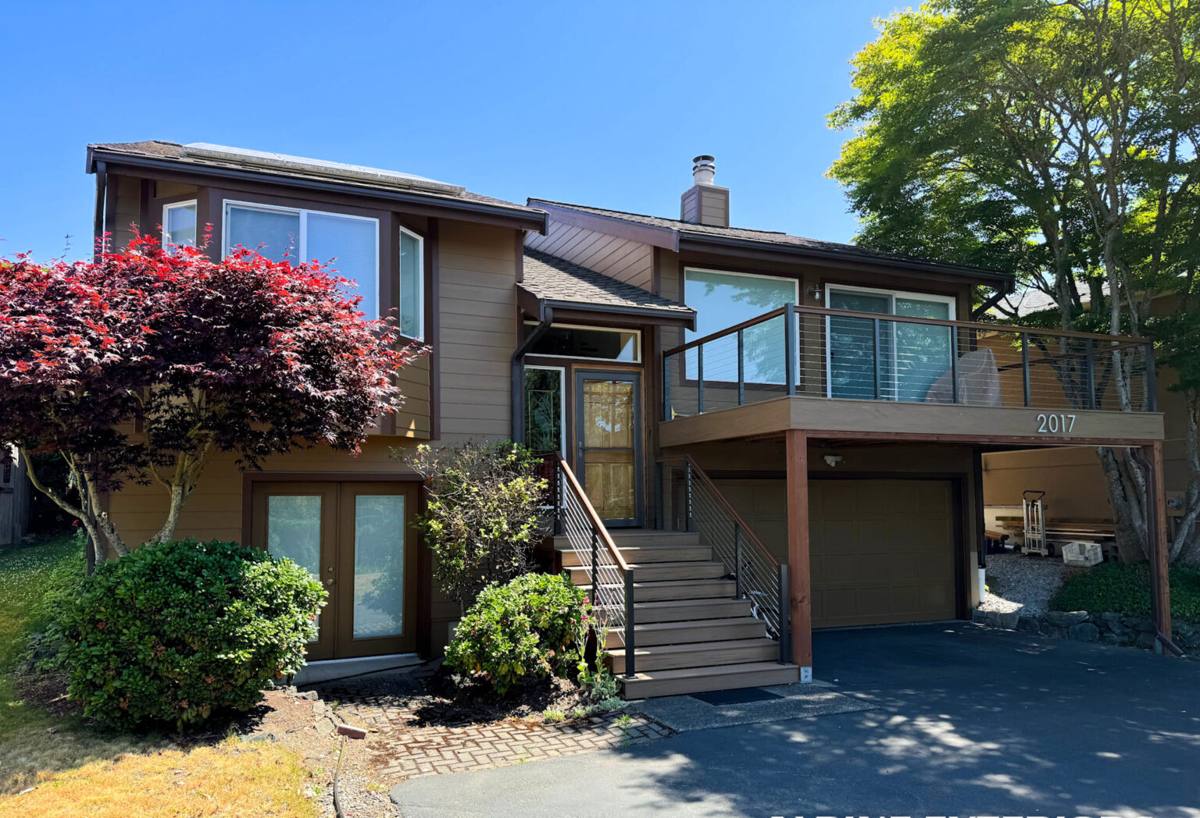
What Cordata's Climate Does to a Shingle Roof
Salt Air and Metal Fasteners
Bellingham's proximity to Puget Sound and the Strait of Georgia means homes even a few miles inland get some exposure to salt-laden air. Over years, that air accelerates corrosion on exposed metal — nail heads, flashing, and vents that aren't properly rated or protected. A roof that looks fine on the surface can have flashing quietly rusting underneath, which is where leaks actually start.
Driving Rain and Wind-Driven Water
Whatcom County doesn't just get a lot of rain — it gets a lot of rain pushed sideways by wind off the water. That matters more than total rainfall totals suggest, because wind-driven rain finds its way under shingle edges, around vent penetrations, and into valleys that weren't detailed correctly. A roof built for a drier or calmer climate often skips underlayment and flashing details that are non-negotiable here.
Moss, Shade, and a Long Wet Season
Cordata's mix of mature trees and consistent moisture creates ideal conditions for moss and algae growth on north-facing and shaded roof slopes. Moss isn't just cosmetic — it holds moisture against the shingle surface, works its way under shingle tabs as it grows, and can lift edges enough to let water in. In this neighborhood, moss season isn't a once-a-year concern; it's closer to a year-round maintenance item on shaded roofs.
What a Correct Installation Actually Involves
A shingle roof is a system, not a single layer of material. Skipping or shortcutting any one of these steps is where most premature failures come from — and it's rarely visible until something leaks.
- Tear-off and deck inspection: Old roofing comes off down to the deck so we can check for soft spots, rot, or delamination before anything new goes down. Covering up a compromised deck just hides the problem.
- Ice and water shield at vulnerable areas: Valleys, eaves, and roof-to-wall transitions get a self-adhered waterproof membrane underneath the shingles, not just felt paper. This is the layer that keeps wind-driven rain and any ice-dam backup from reaching the deck.
- Synthetic underlayment across the field: A quality synthetic underlayment sheds water and resists tearing far better than old-style felt, which matters in a climate where the roof stays damp for extended stretches.
- Proper nailing pattern: Shingles nailed too high, too low, or with too few fasteners lose wind resistance fast. This is also where fastener quality matters — corrosion-resistant nails hold up better against salt air over the life of the roof.
- Flashing at every penetration and transition: Chimneys, skylights, sidewalls, and vent pipes all need step flashing or properly formed metal flashing, not just roofing cement smeared over a gap.
- Balanced attic ventilation: Intake at the eaves and exhaust at the ridge keep moisture from condensing in the attic, which protects both the roof deck and the shingles from the underside.
- Ridge cap and edge details: The ridge and rake edges take the most wind exposure on the roof; proper cap shingles and edge metal are what keep them from lifting in a storm.
Choosing the Right Shingle for This Neighborhood
Not every asphalt shingle product is built the same way, and the differences matter more in a wet, wind-exposed climate than they do in milder ones. Here's how the common tiers compare for a home in Cordata:
| Shingle Type | Typical Lifespan | Wind Rating | Best Fit |
|---|---|---|---|
| 3-tab (economy) | 15–20 years | Lower | Budget-driven projects, rental properties |
| Architectural / dimensional | 25–30 years | Higher, with proper nailing | Most Cordata homes — the standard we recommend |
| Premium / designer | 30+ years | Highest available in asphalt | Steep-slope or highly visible roofs, higher-end finish |
For most homes in this area, architectural shingles are the right balance: they carry a heavier mat and thicker profile than 3-tab shingles, which helps them resist wind lift and shed water better in driving rain, and most manufacturers back them with algae-resistant granules — a real advantage given how much moss and algae pressure this neighborhood sees.
A Note on Algae-Resistant Granules
Many shingle lines now come with copper- or zinc-infused granules designed to slow algae and moss growth. We consider this close to essential for shaded roofs in Cordata rather than an optional upgrade — the cost difference is modest, and the payoff shows up in fewer years lost to moss damage on the north slope.
Our Process, Start to Finish
- On-site inspection: We walk the roof (or use a drone where pitch or access makes that safer) and check the deck, flashing, ventilation, and any moss or wear patterns before quoting anything.
- Written estimate: You get a clear scope of work — materials, tear-off, flashing details, and ventilation plan — so there's nothing vague about what you're paying for.
- Material selection: We help you weigh shingle tier, color, and warranty against your budget and how long you plan to be in the home.
- Tear-off and deck repair: Old roofing comes off, the deck gets inspected, and any soft or rotten sheathing is replaced before new roofing goes on.
- Installation: Underlayment, ice and water shield, flashing, shingles, and ridge caps go on in that order, with attention to the details that matter most in this climate.
- Cleanup and walkthrough: Magnetic sweep for stray nails, debris hauled off, and a final walkthrough so you know exactly what was done and how to maintain it.
Living With a Shingle Roof in a Marine Climate
A well-installed roof still needs some upkeep in this climate. This isn't about creating extra work — it's about protecting the investment you already made.
- Have gutters checked and cleared at least twice a year; clogged gutters back water up under the lowest course of shingles.
- Watch shaded and north-facing slopes for moss growth, especially where overhanging branches keep a section of roof damp longer than the rest.
- Trim back branches that shade the roof or drop debris onto it — this alone reduces moss pressure significantly.
- Avoid pressure washing shingles; it strips granules and shortens the roof's life. Soft, low-pressure moss treatments are safer.
- Have the roof inspected after any major windstorm, even if nothing looks obviously wrong from the ground.
- Keep attic ventilation clear — blocked soffit vents undermine the moisture protection built into the roof system.
What Affects the Cost
Every roof is different, but the same handful of factors drive most of the price variation we see on Cordata homes:
| Factor | Why It Matters |
|---|---|
| Roof size and number of layers to remove | More tear-off labor and disposal cost |
| Roof pitch and access | Steeper or harder-to-access roofs require more safety setup and time |
| Deck condition | Rotten or soft sheathing found during tear-off adds repair cost |
| Shingle tier chosen | 3-tab, architectural, and premium products carry different material costs |
| Flashing and ventilation scope | Chimneys, skylights, and inadequate existing ventilation add labor |
| Number of valleys and penetrations | More complex rooflines take more time to detail correctly |
We won't quote a firm number without seeing the roof, but as a general range, a straightforward architectural shingle re-roof on a typical Cordata home runs from the mid-teens into the low twenty-thousands, with complexity, size, and deck condition moving that number up or down. Anything quoted well below that range for the same scope of work is worth a second look at what's being left out.
Why a Local Cordata Crew Makes a Difference
Roofing crews that work Bellingham and Whatcom County regularly know how this specific climate behaves on a roof — where moss builds up fastest, which flashing details actually hold up against wind-driven rain off the Strait, and what a deck looks like after years of salt air and damp exposure. That's different from general roofing knowledge; it's familiarity with how the weather here actually treats a roof over time.
It also matters for accountability. A crew based in the area is still around next year and the year after — for warranty questions, storm damage checks, or a moss treatment recommendation down the road. That kind of continuity is harder to get from a crew that rolled through from out of the area for one job.
Get an Honest Estimate
If your Cordata roof is showing granule loss, moss buildup, or is simply getting close to the end of its expected life, it's worth having someone look at it before a small problem becomes a bigger repair. We offer free, no-pressure estimates — use the form below to get a time on the calendar.