 Bellingham
 Why Cordata Homes Take a Beating From the Weather
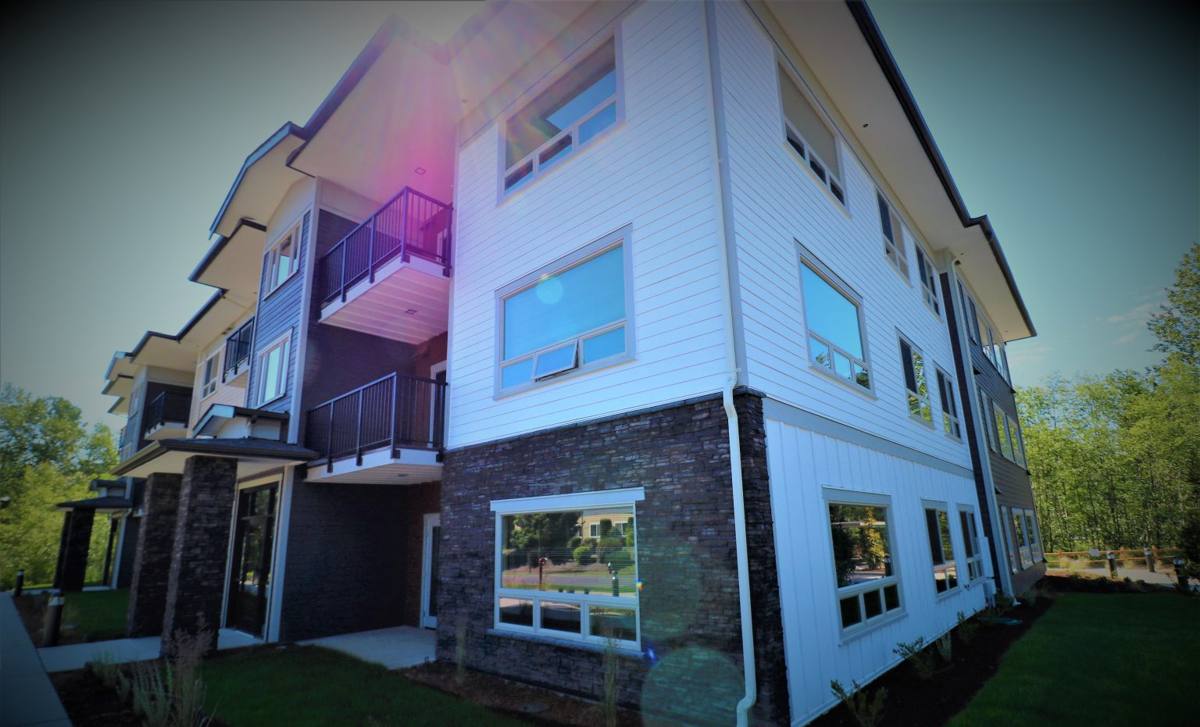
Cordata sits in north Bellingham, close enough to Puget Sound and Bellingham Bay to catch salt-laden air, and squarely inside Whatcom County's wet marine climate. That combination is harder on exterior siding than most homeowners realize. Rain doesn't just fall here — it drives sideways on windy fall and winter days, forcing water into every gap, seam, and fastener hole that isn't properly flashed. Add in the region's long stretch of overcast, damp months, and you get ideal conditions for moss and algae to colonize anything with texture or a north-facing shadow line.
Salt air adds a second layer of stress. It accelerates corrosion on fasteners, trim flashing, and any metal components in a siding system, and it degrades paint films faster than an inland climate would. None of this is unique to any one house in Cordata — it's the baseline every exterior surface in this part of Whatcom County has to survive, year after year, for decades if the siding is going to be worth what a homeowner paid for it.
What This Climate Demands From a Siding Material
Given that combination — driving rain, sustained moisture, salt exposure, and a moss season that can run most of the year — a siding product for a Cordata home needs to do a few things well:
- Resist moisture absorption so it doesn't swell, cup, or rot when it stays damp for days at a time
- Hold a factory finish that doesn't need repainting every few years to keep water out
- Stand up to fastener and trim corrosion in salt-influenced air
- Resist moss and algae growth, or at least not feed it the way untreated wood fibers can
- Stay dimensionally stable through repeated wet-dry cycles without cracking at the seams
This is the filter we run every siding decision through, and it's why we don't install everything on the market. Vinyl siding is inexpensive and low-maintenance in the sense that it never needs paint, but it's a thin plastic product that expands and contracts significantly with temperature swings, can crack in impacts, and its seams and J-channels give wind-driven rain plenty of entry points if the install isn't precise. Cedar and primed spruce siding look great going up, but wood is exactly the kind of organic material that moss and algae thrive on in a climate this damp, and it demands a repainting and caulking maintenance schedule that most homeowners underestimate. LP SmartSide and other engineered wood products improve on solid wood in some ways, but they're still wood-fiber composites — if the factory coating or field-cut edges aren't sealed correctly and stay wet, they're vulnerable to swelling and edge deterioration over time. We think homeowners deserve a straight answer about those trade-offs before they commit to a full re-side.
Why We Install Only James Hardie Fiber Cement
We standardized on James Hardie fiber cement siding for every job we do, including here in Cordata, because it's engineered for exactly this kind of climate. Fiber cement is a mix of cement, sand, and cellulose fibers — it's non-combustible, it doesn't absorb water the way wood or wood-composite products do, and it holds its shape through the wet-dry cycling that's constant in Whatcom County.
Two things matter most in a marine climate like this one:
ColorPlus Factory Finish
Rather than field-painting siding after installation, Hardie's ColorPlus finish is baked on in a controlled factory environment in multiple coats, which gives it better adhesion and UV resistance than most site-applied paint jobs can match. That matters directly for salt air exposure and Bellingham's long gray season — a factory finish holds its color and its seal longer, which means fewer repaint cycles and fewer chances for water to find a way in through a compromised paint film.
HZ5 Climate Engineering
James Hardie makes region-specific product formulations, and the HZ5 line is engineered for climates with more moisture cycling and freeze-thaw exposure, which fits the Pacific Northwest better than a generic national product. It's a small distinction on paper but it reflects a real engineering decision to account for how differently siding performs in Bellingham versus, say, Phoenix.
James Hardie also backs its siding with a strong transferable limited warranty and a separate warranty on the ColorPlus finish — coverage that matters more in a climate that stresses siding harder than most of the country.
What a Correct Fiber Cement Installation Actually Involves
Fiber cement siding is only as good as the installation behind it. A huge share of the siding failures we get called out to inspect in Whatcom County aren't material failures — they're installation shortcuts that let water in behind a perfectly good product. For a Cordata home, we pay particular attention to:
- Proper clearance between the bottom of the siding and grade, decks, and roof lines, so water can't wick up into the board
- A correctly lapped and sealed weather-resistive barrier behind the siding, with all penetrations flashed before the first board goes up
- Correct fastener type, spacing, and depth — over-driven or under-driven nails are one of the most common causes of early siding failure
- Sealed and caulked joints at trim, windows, and corners using products rated for this climate, not just whatever caulk is on the truck
- Rainscreen or drainage gap detailing where it's called for, so incidental moisture behind the siding has somewhere to go
- Butt joints and seams treated correctly so they don't become a wicking point during driving rain
None of this shows up in a sales brochure, but it's the difference between siding that lasts thirty-plus years in this climate and siding that starts showing problems in five.
Our Process for a Cordata Siding Project
We run the same disciplined process on every Cordata home, adjusted for the specific exposure and condition of that house:
- On-site assessment — we walk the exterior, check for existing moisture damage, moss buildup, and problem areas around windows, trim, and roof transitions before we ever quote a number
- Tear-off and substrate check — old siding comes off and we inspect the sheathing underneath for rot or damage that needs to be addressed before new siding goes up, not covered over
- Weather barrier and flashing — a correctly lapped moisture barrier and properly flashed windows, doors, and penetrations, since this step matters more than the siding material itself
- Hardie installation to spec — fiber cement installed following James Hardie's fastening, clearance, and joint-treatment requirements, not shortcuts that save an afternoon
- Trim, caulking, and finish detail — corners, trim boards, and joints sealed with climate-appropriate materials
- Final walkthrough and cleanup — a full walk of the finished exterior with the homeowner before we consider the job done
How Fiber Cement Compares to Other Siding Options in This Climate
| Material | Moisture Resistance | Moss/Algae Resistance | Maintenance | Typical Lifespan Here |
|---|---|---|---|---|
| James Hardie Fiber Cement | High — doesn't absorb water like wood | Good, especially with factory finish | Low — occasional wash, no repainting for years | 30+ years |
| Vinyl | Moderate — seams and channels can leak | Moderate | Low, but cracks/fades over time | 15-25 years |
| Cedar / Primed Wood | Low — absorbs moisture, prone to rot | Poor — organic material feeds growth | High — regular repainting, caulking, moss treatment | 10-20 years without heavy upkeep |
| Engineered Wood (e.g., LP SmartSide) | Moderate — vulnerable at cut edges/joints | Moderate | Moderate — edge sealing and finish upkeep | 20-25 years with diligent maintenance |
These are general patterns based on how these materials behave, not guarantees for any specific product or installation — actual performance depends heavily on installation quality and ongoing maintenance in every case.
What to Check Before Hiring Anyone to Re-Side Your Home
Whatcom County has a lot of siding contractors, and not all of them install to the same standard. Before you hire anyone for a Cordata siding project, it's worth asking:
- Are they James Hardie certified, or at minimum can they explain the manufacturer's fastening and clearance specs in detail?
- Will they inspect and address the sheathing and weather barrier, not just install over what's already there?
- Do they have experience specifically in coastal Whatcom County conditions, not just siding in general?
- Can they explain how they'll handle flashing at windows, doors, and roof transitions before work starts?
- Do they offer a clear, written estimate that breaks down tear-off, prep, and installation separately?
Why Local Experience in Cordata Matters
A crew that already works in and around Bellingham knows how this specific climate treats a house differently than generic siding knowledge does. We've seen how quickly north-facing walls in shaded Cordata yards develop moss compared to sun-exposed south walls, how driving rain off a windy day tends to find the same weak points in trim and window flashing, and how salt-influenced air factors into fastener and hardware choices. That's the kind of detail that only comes from doing this work locally and repeatedly, not from a national playbook applied the same way everywhere.
Ready to Talk About Your Siding?
If your Cordata home's siding is showing moss, cracked caulking, soft spots, or you're just planning ahead for a re-side, we're happy to take a look and give you a straightforward assessment. Fill out the form below for a free, no-pressure estimate.