 Bellingham
 Building a Deck That Actually Holds Up in Sunnyland
Sunnyland is one of Bellingham's older, established residential neighborhoods, and that means a lot of the outdoor living space here was built decades ago, under different codes, with different materials, and often without much thought to drainage. A deck in this part of Whatcom County isn't just outdoor furniture — it's a structure that has to survive salt-tinged marine air rolling in off Bellingham Bay, long stretches of driving rain from fall through spring, and a moss and algae season that can run most of the year on shaded lots. Building one correctly here means designing for that climate from the framing up, not just picking a decking board and hoping for the best.
This page is specifically about deck building for homes in and around Sunnyland — what the local conditions demand, what a correctly built deck actually involves, and how we approach the job when we're on your property.
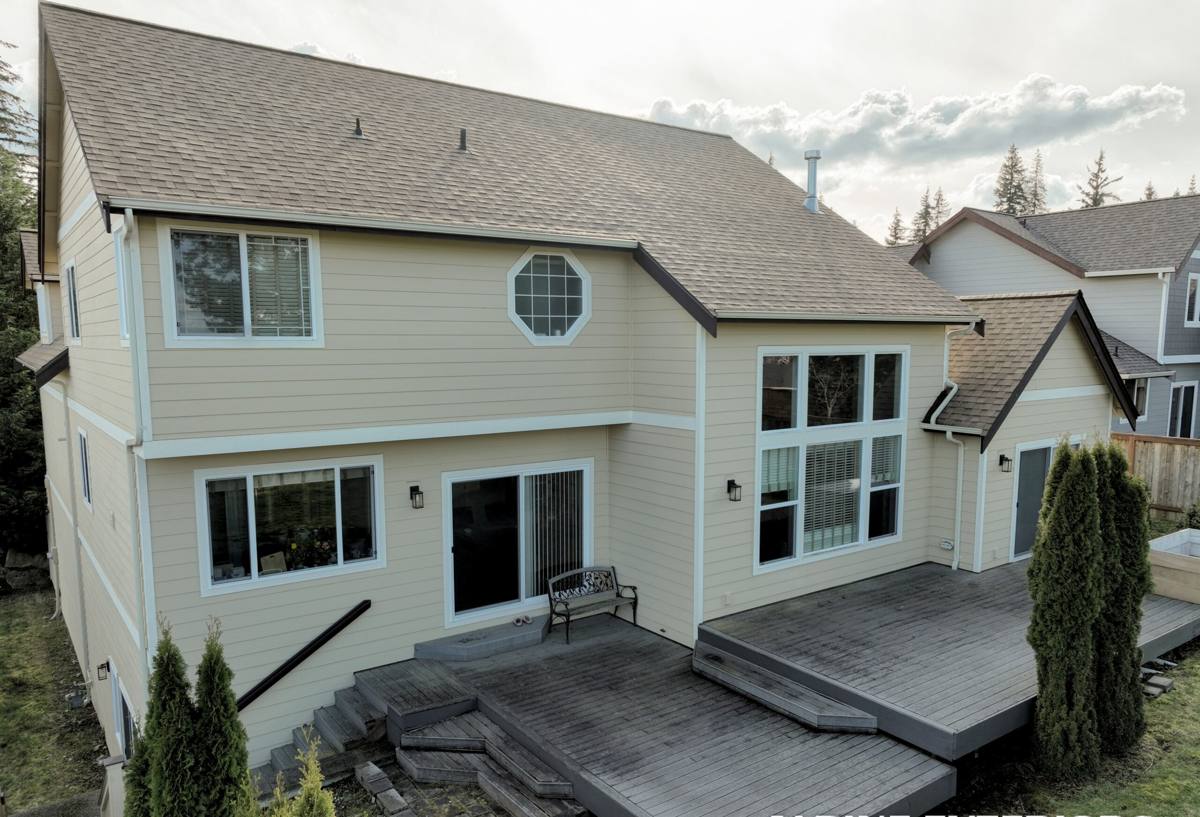
What Makes Sunnyland Decks Different
Sunnyland's mix of mature tree canopy and older housing stock creates a specific set of deck problems that newer, more open subdivisions in Whatcom County don't deal with as much:
- Mature trees mean more shade, more falling debris, and slower drying times after rain — all of which accelerate moss and mildew growth on deck surfaces.
- Many homes were built before current drainage and flashing standards, so an existing deck's ledger connection to the house is a common weak point.
- Older lots often have established landscaping and grade changes that affect how a new deck needs to be framed and supported.
- Close-set homes and mature trees can limit equipment access, which changes how footings and framing materials get brought in.
None of this makes deck building in Sunnyland harder in a way that should scare a homeowner off — it just means the details matter more than they would in a drier climate or a newer, more open neighborhood.
Choosing the Right Decking Material for This Climate
Wood Decking
Pressure-treated lumber and cedar remain common choices because of upfront cost and the look homeowners want, especially on older Sunnyland homes where a natural wood deck fits the character of the house. The trade-off is maintenance: wood decking in a marine, high-moisture climate needs regular cleaning, periodic sealing or staining, and an annual check for soft spots, especially in shaded areas where moss and standing moisture linger longest.
Composite and PVC Decking
Composite decking costs more upfront but trades ongoing maintenance for material stability — no annual staining, better resistance to moss staining, and consistent performance across wet Whatcom County winters. The trade-off here is installation sensitivity: composite boards expand and contract with temperature and moisture differently than wood, so gapping, fastening, and ventilation underneath all have to be done to the manufacturer's spec or the deck will show problems within a few years — cupping, fastener pop, or premature wear at butt joints.
Our Standard
We don't push one material over another as "better" in the abstract — we walk through the honest trade-offs of maintenance burden, moisture behavior, and upfront cost against your budget and how much upkeep you actually want to do. What we won't do is install any decking material without proper substructure ventilation and drainage underneath it, because in this climate that's where decks actually fail, regardless of what's on top.
| Factor | Wood Decking | Composite/PVC Decking |
|---|---|---|
| Upfront cost | Lower | Higher |
| Annual maintenance | Cleaning, sealing/staining | Periodic washing only |
| Moss/algae resistance | Lower — porous surface | Higher — non-porous surface |
| Installation sensitivity | Moderate | Higher — spec-driven gapping and fastening |
| Typical lifespan with upkeep | 15-25 years | 25-30+ years |
Framing and Structure: Where Sunnyland Decks Actually Fail
Most deck failures we see aren't the decking boards themselves — they're the structure underneath. In a climate with this much rainfall, three things drive most problems:
The Ledger Board Connection
The ledger board — where the deck attaches to the house — is the single most important structural and moisture detail on the whole project. It needs proper flashing to keep water from tracking behind the siding and into the house framing, and correct fastening to carry the structural load. On older Sunnyland homes, this is very often the point where a previous deck was under-flashed or not flashed at all, and it's the first thing we check on any deck we're asked to look at.
Footings and Post Bases
Footing depth and post base hardware need to account for local frost depth and, just as important, keep wood posts from sitting in standing water or wet soil. Metal post bases that hold the post above grade, rather than burying wood directly in concrete, make a real difference in how long the structure lasts in a climate this wet.
Fasteners and Hardware
Coastal, marine-influenced air corrodes standard fasteners faster than most homeowners expect. Structural connectors, screws, and joist hangers all need to be rated for exterior, corrosion-resistant use — not just galvanized, but matched to whatever decking and framing material is going on top of them, since mismatched metals can accelerate corrosion at the connection points.
Moss, Algae, and Drainage: Designing for the Long Wet Season
A moss-resistant deck isn't about picking one "moss-proof" product — it's about designing the whole surface to shed water and dry out between storms. That comes down to a handful of details done correctly:
Board Spacing and Gapping
Correct gapping between boards lets water drain through instead of pooling on the surface, which is where moss and algae growth start. Too tight, and water sits; too wide, and the deck feels unfinished and can be uncomfortable underfoot. Manufacturer spec is the baseline, adjusted slightly for shaded, slow-drying areas of the yard.
Substructure Ventilation
Airflow underneath the deck matters as much as drainage on top of it. A deck built low to the ground or boxed in without vents traps moisture underneath, which rots joists and beams from below long before the visible decking shows any wear.
Surface Slope
A very slight slope away from the house keeps water moving off the deck instead of back toward the ledger board and siding — a small framing detail that prevents a much bigger moisture problem later.
Permits and Code Requirements
Deck construction in Bellingham and unincorporated Whatcom County is subject to local building permit and setback requirements, and the specifics depend on your deck's height, size, and attachment to the house. Rather than guess at your situation here, we handle the permit process as part of the job — pulling what's required, building to current code, and making sure the structural details (footings, ledger attachment, guardrails, stair geometry) pass inspection the first time.
Our Deck Building Process
1. On-Site Assessment
We walk the property, look at grade, drainage, sun and shade exposure, and — if you're replacing an existing deck — assess what's actually wrong with it structurally, not just cosmetically.
2. Design and Material Selection
We talk through decking material trade-offs, layout, railing style, and any code requirements for your specific lot, and put together a plan and honest cost range before any work starts.
3. Permitting
We handle the permit application and coordinate inspections so you're not the one tracking down paperwork.
4. Construction
Footings, framing, ledger flashing, and decking go in, in that order, with each structural stage built to hold up under this climate's rain load and moisture exposure — not just to pass a quick visual check.
5. Final Walkthrough
We go over the finished deck with you, including basic care and what to watch for seasonally, before we consider the job done.
A few things worth confirming with any contractor before a deck build starts in this climate:
- Will the ledger board be properly flashed, and can they explain how?
- What fastener and hardware grade are they using, and is it rated for coastal/marine exposure?
- How will the deck be gapped and ventilated to manage moss and drainage?
- Is the permit and inspection process included, or is that on you?
- What's the realistic maintenance schedule for the decking material you choose?
Why Hire a Crew That Already Works in Sunnyland
Building decks in this specific part of Bellingham means already knowing what the neighborhood's tree cover, older housing stock, and marine climate do to a structure over time — not learning it on your project. It means showing up with the right hardware grade already in the truck instead of discovering mid-build that standard fasteners won't hold up here. And it means being available afterward if a question comes up about maintenance or a warranty item, because we're not driving in from somewhere else.
Maintaining Your Deck Through the Seasons
Whatever material you choose, a few habits go a long way in this climate: keep gutters and downspouts clear so runoff isn't dumping onto the deck, sweep leaves and debris off the surface regularly in fall, and do a yearly check of the ledger flashing and any visible fasteners for corrosion or movement. Wood decking will need periodic cleaning and resealing; composite decking mostly needs washing to keep organic buildup from taking hold in shaded spots. Catching small issues — a soft board, a loose connector, a spot where moss is gaining a foothold — early is what keeps a repair small instead of letting it become a rebuild.
If you're planning a new deck or need an honest look at one that's showing its age, we're happy to come out, take a look, and put together a free, no-pressure estimate using the form below.