 Bellingham
 Building Decks for Edgemoor's Coastal, Wooded Lots
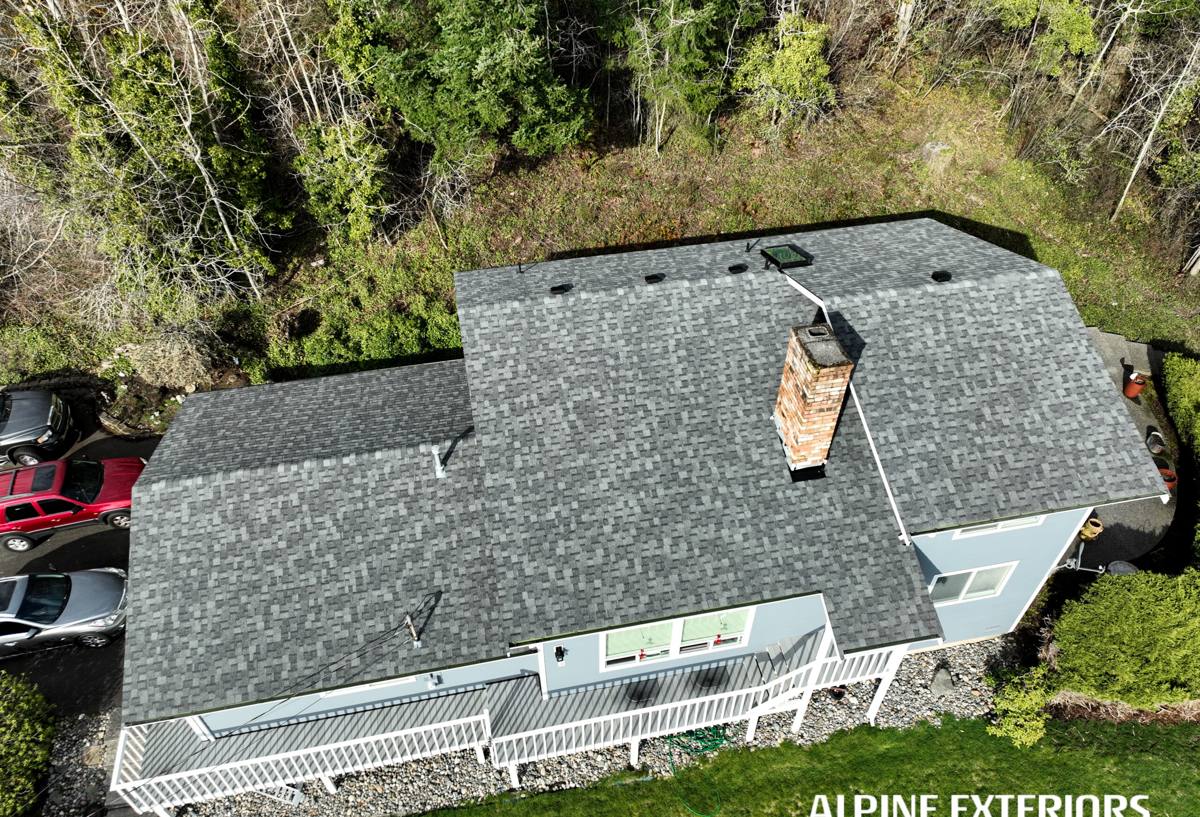
Edgemoor sits close to the water along Bellingham's south side, and that location shapes almost every deck-building decision we make here. Lots tend to be wooded, sloped, and shaded for parts of the day, with salt-tinged air drifting up from Bellingham Bay and Chuckanut Bay nearby. A deck built for a dry inland yard doesn't necessarily hold up the same way on a shaded, moisture-prone Edgemoor lot, and we plan for that difference from the first site visit rather than treating every deck the same.
We're a Bellingham-based exteriors contractor, and decks in Whatcom County are a year-round part of our workload — not a summer side job. That matters because the choices that make a deck look good in July are not always the same choices that keep it structurally sound in February.
What Bellingham's Climate Does to a Deck Over Time
Three things drive deck failure and deck maintenance headaches in this area, and Edgemoor gets a concentrated dose of all three:
- Salt air — proximity to the bay accelerates corrosion on fasteners, hardware, and any metal connectors that aren't rated for it.
- Driving rain — wind-driven rain off the water doesn't just fall straight down; it gets pushed sideways into ledger connections, stair stringers, and any joint where water can pool or wick.
- Moss and algae season — the long, wet stretch from fall through spring, combined with tree cover common in Edgemoor, keeps deck surfaces damp for extended periods, which is exactly the environment moss and algae need to take hold.
None of these are dramatic on their own. The problem is cumulative — a deck that sheds water poorly, uses the wrong fasteners, or traps moisture under boards will show it in year three or four, not year one. That's why the build details matter more here than in a drier climate.
Where We See Problems Start
On decks we've been called to repair or replace in this area, the recurring failure points are predictable: rusted or corroding fasteners that stain the decking and weaken over time, ledger boards attached to the house without proper flashing that let water into the rim joist, and framing that was never gapped or coated to let it dry out between rain events. Almost all of it traces back to shortcuts at the framing and fastening stage — the parts of a deck nobody sees once it's finished.
Choosing the Right Decking Material for This Neighborhood
There's no single "best" decking material — there's a best fit for your lot's sun exposure, your maintenance appetite, and your budget. Here's how the common options actually perform in an Edgemoor-type setting:
| Material | Upfront Cost | Maintenance in This Climate | Notes for Shaded/Coastal Lots |
|---|---|---|---|
| Pressure-treated wood | Lowest | Annual cleaning, periodic sealing/staining | Needs consistent upkeep to resist moss and moisture; budget-friendly for framing and decking |
| Cedar | Mid | Regular sealing to hold color and resist moisture | Natural rot resistance helps, but shade and damp air still call for a maintenance routine |
| Composite (e.g. Trex, TimberTech) | Higher | Occasional washing; no staining or sealing | Doesn't absorb moisture like wood, so it resists rot and warping well in wet, shaded spots |
| PVC/capped polymer | Highest | Lowest — mostly just rinsing | Strong option for heavy shade or lots close to the water; least susceptible to moss staining |
We install all of these and won't push you toward the priciest option if it's not the right fit for your yard. If your deck gets good sun exposure and you don't mind an annual weekend of maintenance, wood is a perfectly sound, cost-effective choice. If your lot is heavily shaded or you want to spend your weekends doing something other than deck upkeep, composite or capped polymer earns its higher price tag in reduced maintenance over the deck's life.
Framing and Structure: Getting What's Underneath Right
The decking surface is what you see, but the framing is what determines whether your deck is still safe and sound in fifteen years. In this climate, we treat a few details as non-negotiable regardless of what decking material you choose:
Ledger Attachment and Flashing
Where the deck attaches to your house is the single most common point of water intrusion. Proper flashing — installed so water sheds outward and away from the rim joist rather than behind it — is the difference between a dry connection and slow, hidden rot that isn't visible until siding or interior damage shows up.
Fasteners and Hardware
Salt air corrodes standard fasteners faster than most homeowners expect. We use corrosion-resistant, coastal-rated fasteners and structural hardware throughout — not just because it lasts longer, but because rusting fasteners can bleed and stain decking, and corroded structural connectors are a real safety issue over time.
Joist Spacing and Airflow
Framing that's spaced and coated to allow airflow underneath dries out between rain events instead of staying damp. On shaded Edgemoor lots especially, that airflow is what keeps moss and mildew from creeping onto the underside of the deck where you'd never notice it until it's a real problem.
Permits, Setbacks, and Whatcom County Requirements
Most deck projects in Bellingham require a building permit, and depending on your lot's proximity to the water, slope, or existing structures, there may be additional setback or critical-areas considerations to account for — particularly relevant for lots near Bellingham Bay. We handle the permitting process as part of the job: pulling the right permits, building to current code for railing height, guard spacing, and stair geometry, and scheduling inspections so you're not left navigating the county process yourself. If your property has any special conditions — steep grade, proximity to the shoreline, an easement — we flag that during the initial site visit, before design work begins, not after.
Our Deck Building Process
The process is straightforward, but each step exists for a reason:
- Site visit and assessment — we look at sun exposure, drainage, slope, tree cover, and how the deck will tie into your house before recommending materials.
- Design and material selection — we walk through the tradeoffs (cost, maintenance, appearance) so you're choosing with full information, not guessing.
- Permitting — we handle the paperwork and code review with Whatcom County or the City of Bellingham as applicable.
- Demolition (if replacing an existing deck) — old decking, framing, and any compromised ledger connections are removed and inspected.
- Framing — ledger flashing, corrosion-resistant hardware, proper footings, and airflow-conscious joist layout.
- Decking and railing installation — installed to the manufacturer's specifications, which matters most for composite and PVC products where improper spacing voids warranty coverage.
- Final walkthrough and inspection sign-off — we go over the finished deck with you and make sure county inspection requirements are closed out.
Maintenance: What Ownership Looks Like After We Leave
A well-built deck in this climate still needs some seasonal attention. Here's a realistic checklist for Edgemoor homeowners:
- Sweep debris and standing leaves off the deck surface regularly, especially in fall — trapped organic matter holds moisture and feeds moss growth.
- Rinse or wash the surface at least once or twice a year to remove algae and moss before it stains or gets slick.
- Check railings, stairs, and any structural connectors annually for looseness, rust bleed, or movement.
- For wood decking, plan on resealing or staining every one to three years depending on sun exposure and the product used.
- Keep gutters and downspouts near the deck clear so roof runoff isn't dumping extra water onto or under the structure.
- After major windstorms, do a quick visual check for loose fasteners or shifted boards — driving rain and wind off the bay can work things loose over time.
Why Hire a Crew That Already Works in Edgemoor
Deck building isn't exotic work, but building one that holds up specifically in a shaded, salt-air, high-moisture neighborhood benefits from a crew that's already seen how the local conditions play out. We know which fastener specs actually hold up near the water, how to flash a ledger so it survives a real Bellingham winter, and which decking materials are worth the upcharge on a heavily treed lot versus a sunny one. That local pattern recognition is the difference between a deck that needs attention in year three and one that's still solid well past year fifteen.
We also carry the practical local knowledge that saves you time — what Whatcom County and City of Bellingham permitting typically requires, how to plan a build schedule around the wetter months, and what tends to go wrong on lots like yours so we can build around it from day one instead of fixing it later.
Get a Free, No-Pressure Estimate
If you're considering a new deck, a replacement, or just want an honest opinion on what your current deck needs, we're happy to take a look. Use the form below to request a free estimate for your Edgemoor property — no pressure, no obligation, just a straight assessment of what your project actually needs.