 Bellingham
 Why Happy Valley Windows Take a Different Kind of Beating
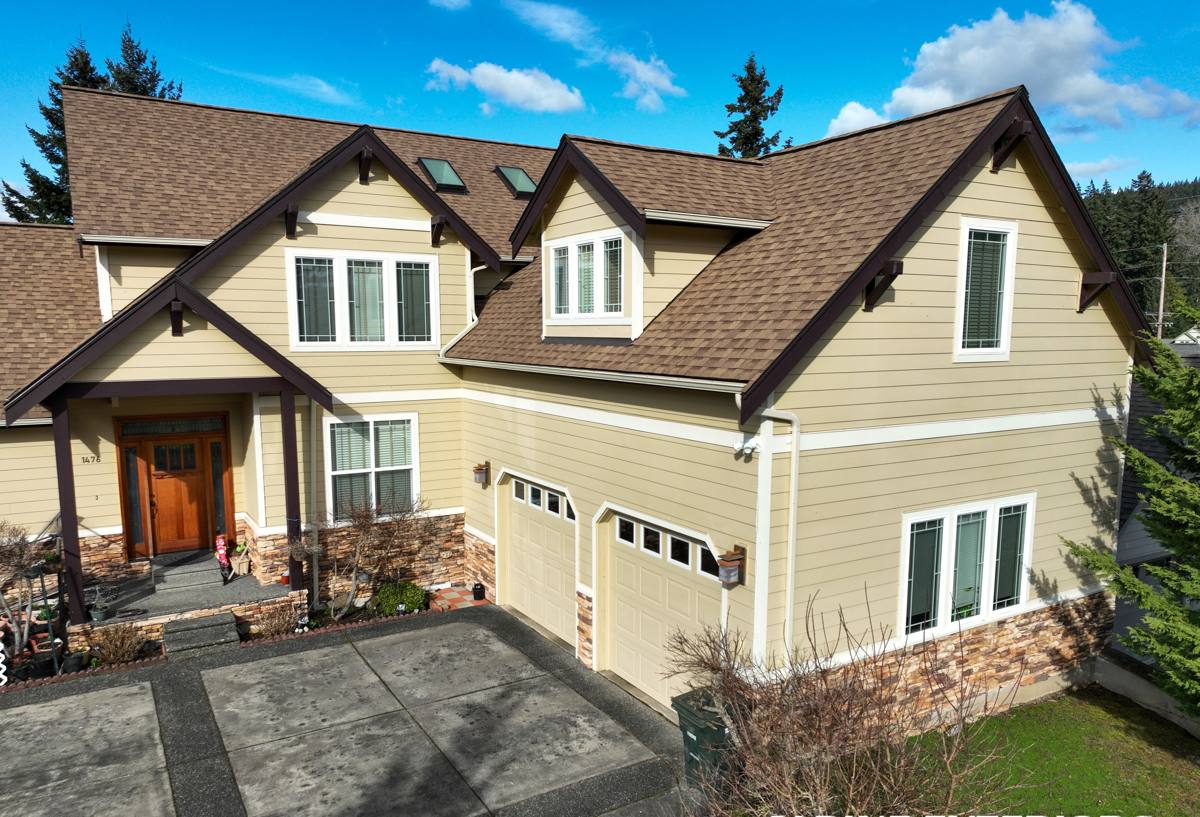
Happy Valley is one of Bellingham's older, more established neighborhoods — a mix of early-1900s bungalows, mid-century homes, and newer infill, most of it sitting under a mature tree canopy just a short distance from Bellingham Bay. That combination is hard on windows in ways that homes further inland or in drier climates never have to deal with. Salt-laden air off the water accelerates corrosion on hardware and metal components. Driving rain, pushed sideways by wind off the Sound rather than falling straight down, finds every weak seal and gap in flashing that a calmer climate would never expose. And the region's long, damp moss season keeps humidity elevated around window frames and sills for months at a time, which is exactly the environment wood rot and failed seals need to take hold.
None of this means Happy Valley homes need exotic products. It means the glass, frame material, and installation details all have to be chosen and executed with this specific climate in mind — not the generic version of "energy-efficient" you'd get from a big-box catalog aimed at the whole country.
What "Energy-Efficient" Actually Means for a Bellingham Home
Energy efficiency in windows comes down to two things working together: the glass package and the frame. Get either one wrong for this climate and you end up with a window that looks fine on a spec sheet but underperforms once it's actually facing Whatcom County winters.
Glass Packages That Make Sense Here
Double-pane, argon-filled glass with a low-E coating is the baseline for this climate — it's not an upgrade, it's the minimum that makes sense given our heating-dominated weather. The low-E coating matters more than most homeowners realize: it reflects heat back into the room in winter without meaningfully darkening the glass, which keeps a home warmer without turning it into a greenhouse in the rare stretch of summer sun we get. Triple-pane glass is worth discussing on north-facing walls, homes near busier streets where sound matters, or for owners planning to stay long-term and wanting to shave the last bit off heating bills — but it's not automatically the right call for every window on every house, and we'll tell you honestly when the extra cost doesn't pencil out.
Frame Material and Why It Matters More Than People Think
The frame is where a lot of window failures actually start, especially in a marine climate. A frame that swells, warps, or lets moisture track into the wall cavity will undermine even the best glass package. This is why frame material selection gets as much attention from us as the glass itself — more on the trade-offs below.
Signs Your Current Windows Are Working Against You
Most homeowners don't replace windows because one day they wake up and decide to — they replace them because a handful of small annoyances finally add up. In Happy Valley, these are the tells we hear about most often:
- Condensation or fogging between the panes (not just on the surface) — this means the seal has failed and the insulating gas is gone
- Noticeable drafts near the frame even when the window is fully latched
- Windows that are hard to open, close, or lock — often a sign the frame has swollen or shifted
- Soft, discolored, or spongy wood at the sill or lower frame corners
- Visible daylight or a whistling sound around the frame during windstorms
- A heating bill that's crept up without any other explanation
- Black or green staining on the interior sill that keeps returning no matter how often it's cleaned
Any one of these on its own might just need a repair. Several of them together, especially on a home's older or original windows, usually means replacement is the more honest recommendation.
What a Correct Installation Actually Involves
The window itself only accounts for part of how well a replacement performs. In a climate that throws this much wind-driven rain at a house, installation quality is often the bigger factor — and it's also the part that's easiest for a crew in a hurry to shortcut.
Flashing and Moisture Management
Proper flashing directs any water that gets behind the siding back out and away from the wall assembly, rather than letting it pool at the sill or track down into the framing. This is the single most common point of failure we find when we're called out to fix a "leaking window" that turns out to have been installed without adequate flashing in the first place. It's invisible once the job is done, which is exactly why it's worth asking a contractor about directly before they start.
Fit, Shimming, and Insulation
A window that's shimmed square and plumb — not just wedged into an existing rough opening — operates smoothly for years and seals evenly all the way around. The gap between the window unit and the framing needs to be insulated correctly too: packed too tight, low-expansion foam can bow the frame and cause operating problems down the road; left too loose, it becomes a straight path for cold air and moisture.
Sealing and Weatherproofing
Exterior caulking and sealant only work if they're applied to clean, dry, properly prepped surfaces — and given how much of the year Whatcom County spends damp, timing and surface prep on installation day matter more here than in drier regions. We check weather conditions before scheduling exterior sealing work rather than caulking over damp wood and calling it done.
Comparing Frame Materials for a Happy Valley Home
There's no single "best" frame material for every house — it depends on your budget, your home's age and style, and how much upkeep you want to take on. Here's how the common options actually compare in a salt-air, high-rainfall climate:
| Frame Material | Upfront Cost | Moisture & Salt-Air Resistance | Maintenance | Typical Lifespan |
|---|---|---|---|---|
| Vinyl | Lowest | Very good — won't rot or corrode | Low — occasional cleaning | 20–30 years |
| Fiberglass | Higher | Excellent — very stable in wet, temperature-swinging conditions | Low | 30+ years |
| Wood (clad exterior) | Highest | Good on the exterior face; interior wood still needs care | Moderate to high | 20–30+ years with upkeep |
| Aluminum | Moderate | Poor without thermal breaks — prone to condensation and corrosion near salt air | Moderate | Varies widely |
For most Happy Valley homes, we steer people toward vinyl or fiberglass. Wood-clad windows can be the right call for homes where matching original character trim is a priority, but we're upfront that it's a higher-maintenance choice in a climate this damp — that's a trade-off we lay out honestly rather than talk you out of if it's what you want. Aluminum without a thermal break tends to struggle in this climate specifically because of how readily it conducts cold and how salt air affects untreated metal over time.
Our Process, Start to Finish
We keep the process straightforward because homeowners have generally already had enough surprises with a window problem before they call us.
- On-site assessment. We look at your existing windows, frames, and any signs of water intrusion or rot — not just measure for replacement glass.
- Honest recommendation. We tell you which windows genuinely need replacing, which can be repaired, and what frame and glass combination fits your home and budget.
- Written estimate. Clear pricing, no pressure to decide on the spot.
- Installation. Careful removal of the old unit, inspection of the framing underneath for hidden rot or moisture damage, correct flashing and shimming, and a properly sealed finish.
- Walkthrough. We show you how each window operates and answer questions before we consider the job finished.
Why Hiring a Crew That Already Works Happy Valley Matters
A window installer who mostly works drier, inland climates can do a technically fine job and still leave you with problems a year later, simply because they're not used to building in the margin this region's rain and humidity demand. Crews who regularly work Bellingham neighborhoods like Happy Valley know to double-check flashing details, know which frame materials hold up and which ones fight you over time, and know not to caulk over damp wood just to get to the next job. That familiarity isn't about any single trick — it's the accumulated habit of building for a marine climate instead of a generic one.
It also means we're realistic about scheduling around weather rather than rushing exterior sealing work on a day it's not going to hold.
Living With New Windows in a Marine Climate
Even the right windows, correctly installed, still need a little seasonal attention here. A quick annual check keeps small issues from becoming bigger ones:
- Wipe down tracks and weep holes so they don't clog with debris and trap water
- Rinse accumulated grime and salt residue off exterior glass and frames a couple of times a year
- Check exterior caulk lines each fall before the wet season sets in, and touch up anything that's cracked or pulled away
- Keep gutters and downspouts clear so overflow isn't running down past window heads
- Watch for moss or algae starting to establish on sills or frame edges and clean it off before it spreads
None of this is intensive, but skipping it is how a well-installed window ends up with an avoidable problem five years down the road.
Ready for Windows Built for This Climate?
If your windows in Happy Valley are drafty, fogging, hard to operate, or just old enough that you're wondering whether repair still makes sense, we're happy to take a look and give you a straight answer — including telling you if replacement isn't actually necessary yet. Use the form below to request a free, no-pressure estimate.