 Bellingham
 Roof Repair Built for Fairhaven's Weather, Not Just Any Weather
Fairhaven sits close enough to Bellingham Bay that salt-laden air is part of daily life on a roof, not an occasional visitor. Add in the long stretches of driving rain that roll off the water and the shaded, moisture-holding conditions that make moss season feel like it never really ends in Whatcom County, and you get a roof that ages differently than one twenty miles inland. A repair approach that works fine in a dry climate can fail here within a season or two if it doesn't account for that combination.
This page is about one thing: roof repair for homes in and around Fairhaven. Not a full tear-off, not a generic overview of every roofing service we offer — just what it actually takes to fix a roof correctly in this specific neighborhood, and why the details matter more here than they do elsewhere.
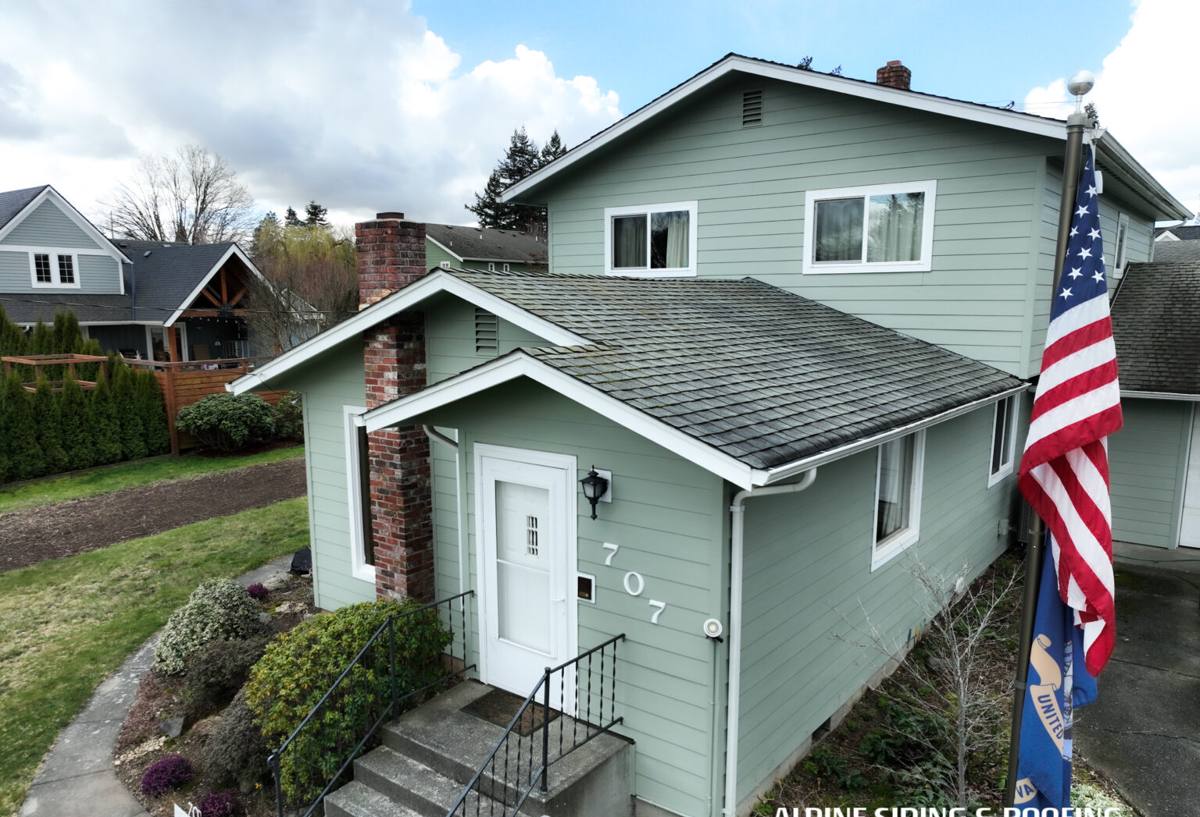
Why Fairhaven Roofs Wear the Way They Do
Salt Air and Metal Fatigue
Homes closer to the water take on airborne salt that settles on exposed metal — flashing, fasteners, gutter hangers, vent caps. Over years, that accelerates corrosion in ways that aren't always visible from the ground. A flashing seam that looks fine from a ladder can be thinned out underneath, which is exactly where leaks start.
Driving Rain and Wind-Driven Water
Rain that comes in at an angle behaves differently than straight-down rain. It gets pushed under shingle tabs, into valley seams, and around chimney and dormer flashing that would otherwise shed water just fine. Roofs here need repair details — laps, sealant placement, underlayment overlap — that specifically account for wind-driven moisture, not just gravity.
Moss Season and Moisture Retention
Tree cover and persistent damp conditions mean moss isn't a cosmetic issue in Bellingham — it's a moisture trap. Moss holds water against the roofing surface long after the rain stops, which softens shingles, works into nail holes, and accelerates rot in the decking underneath if it's left unaddressed.
Signs Your Fairhaven Roof Needs Repair, Not Full Replacement
Most roofs don't fail all at once — they fail in specific spots while the rest of the roof still has useful life left. Knowing the difference saves homeowners real money.
- Isolated staining on an interior ceiling or wall, especially near a chimney, skylight, or where two roof planes meet
- Missing, cracked, or curling shingles in one section rather than across the whole roof
- Visible moss buildup concentrated on north-facing or shaded slopes
- Rusting or lifted flashing around chimneys, vent pipes, or dormers
- Granules collecting in gutters after storms, signaling shingle wear in specific areas
- A soft or spongy feel underfoot in one localized area during an inspection
- Daylight visible through the roof deck from inside an attic, in a limited spot
If damage is contained and the roof deck and structure underneath are sound, a targeted repair is usually the honest recommendation. Replacement makes sense when damage is widespread, the roofing material is at the end of its expected life, or repeated repairs are being asked to cover for a roof that's simply worn out.
What a Correct Roof Repair Actually Involves
Diagnosis Before Any Work Starts
Water rarely shows up directly below where it enters. A leak stain near a bedroom wall might trace back to a flashing failure several feet away. Correct repair starts with tracing the actual entry point, not just patching the spot where damage is visible — otherwise the same leak reappears in the next storm.
Matching Materials, Not Just Covering the Hole
A repair should tie into the existing roofing system correctly — same or compatible shingle profile, proper nail pattern, correct underlayment overlap, and flashing that integrates with what's already there rather than sitting on top of it. A patch that isn't woven into the surrounding roofing will show its edges and often leaks again at the seam.
Addressing the Cause, Not Just the Symptom
If moss caused the failure, the repair needs to include moss and debris removal and a look at what's keeping that section of roof damp — tree overhang, poor airflow, a valley that collects debris. If salt-air corrosion took out a flashing detail, the replacement flashing should be a material and finish suited to that exposure. Fixing the shingle without addressing the underlying condition just buys time.
Common Repair Issues We See Around Fairhaven
| Issue | Typical Cause | What Correct Repair Requires |
|---|---|---|
| Chimney or dormer flashing leaks | Corroded or improperly lapped flashing | Remove and rebuild flashing detail, not just re-caulk |
| Moss-related shingle damage | Persistent shade and moisture retention | Moss removal, damaged shingle replacement, airflow check |
| Valley leaks | Debris buildup or worn valley material | Clear debris, inspect underlayment, replace valley metal if needed |
| Wind-lifted or missing shingles | Storm exposure, aging adhesive seal | Reseat or replace shingles, reseal properly for wind-driven rain |
| Rusted vent or pipe boot flashing | Salt-air corrosion, sun exposure on rubber boots | Replace boot and flashing with corrosion-resistant materials |
Our Repair Process
1. On-Site Inspection
We walk the roof and the attic when accessible, tracing suspected leaks back to their actual source rather than guessing from the ground.
2. Honest Scope and Recommendation
We tell you plainly whether a repair is the right call or whether the roof's overall condition means repair would just be a short-term fix. If a repair makes sense, we explain exactly what it involves before any work begins.
3. The Repair Itself
Work is done to tie properly into the existing roof — correct flashing, correct shingle integration, correct underlayment where it's exposed. We don't leave a patch that stands out or fails at its edges.
4. Cleanup and Debris Removal
Moss, granules, and old material are cleared from the roof and gutters as part of the job, not left behind as an afterthought.
5. Follow-Up
We stand behind the work and are reachable if anything about the repair doesn't perform the way it should through the next round of Bellingham weather.
Materials We Use for Repairs — and Why
Our standard on repair work is to use materials that hold up specifically under salt-air and high-moisture conditions, even when they cost a bit more than the baseline option. That means corrosion-resistant flashing and fasteners near the coast-facing side of a home, and underlayment that performs when it's wet longer than it would inland. We also avoid shortcuts like heavy reliance on sealant in place of proper flashing geometry — sealant is a supplement to correct flashing work, not a substitute for it, and roofs repaired that way tend to need the same fix again within a couple of years.
When a shingle style is discontinued or no longer available to match, we'll tell you that upfront and discuss the closest reasonable match rather than quietly using something that will look mismatched or perform differently than the surrounding roof.
Why Local Experience in Fairhaven Actually Matters
Fairhaven's mix of older homes and newer construction, its tree canopy, and its proximity to the water mean the same repair "fix" doesn't perform the same way here as it might in a drier, less shaded part of Whatcom County. A crew that regularly works this neighborhood already knows which flashing details tend to fail first on older roof lines, where moss builds up fastest given the tree cover and slope orientation, and how much wind-driven rain a given roof plane typically takes on. That local pattern recognition shortens the diagnosis and reduces the chance of a repair that looks right but doesn't hold.
Simple Maintenance That Prevents Repeat Repairs
A repair holds up longer when the roof around it is maintained. This is a reasonable seasonal checklist for Fairhaven homeowners:
- Clear gutters and valleys of leaves and debris at least twice a year, more often under heavy tree cover
- Have moss treated and removed before it spreads across a full slope, not after
- Trim back branches that keep a section of roof shaded and damp longer than the rest
- Check attic ventilation periodically — poor airflow traps moisture and accelerates deck rot
- Have flashing around chimneys, skylights, and vents inspected every year or two, since these are the first points to fail
- Address small leaks quickly — a contained repair now is almost always cheaper than the water damage from waiting
Get an Honest Look at Your Roof
If you're seeing a stain on a ceiling, moss building up on a shaded slope, or you just want a second opinion before committing to a bigger project, we're glad to take a look. We'll give you a straight answer about whether repair is the right move for your Fairhaven home, walk you through what it would involve, and provide a free, no-pressure estimate — no obligation either way. The form below is the easiest way to get started.