 Bellingham
 Fairhaven's Coastal Climate and What It Does to Windows
Fairhaven sits close to Bellingham Bay, and that proximity to open water shapes how windows age here more than most homeowners realize. Salt-laden air drifts inland on a regular basis, driving rain comes in sideways off the water during winter storms, and the mature tree cover that gives the neighborhood its character also keeps things shaded and damp for long stretches of the year. None of that is exclusive to Fairhaven, but the combination is more concentrated here than in the drier, more inland parts of Bellingham and Whatcom County.
Salt Air and Hardware Fatigue
Salt air corrodes metal hardware — hinges, locks, balance mechanisms, screws — faster than dry inland air does. On older windows this shows up as stiff or seized latches, sashes that won't hold their position on their own, and rust streaking around fasteners and cranks. It's slow, cumulative damage, and by the time it's visible on the hardware, the seals and weatherstripping underneath have usually already started failing too.
Wind-Driven Rain
Storms coming off the bay don't just fall straight down — they push rain horizontally into window assemblies, testing flashing and seals in ways that calm weather never does. A window that looks fine on a dry day can still be letting water behind the trim during a hard blow, and that hidden moisture is where rot gets started long before anyone notices a problem from inside the house.
A Long Moss Season
Shade, moisture, and mild temperatures make this a good climate for moss and algae to take hold on sills, trim, and anywhere water sits instead of draining freely. Beyond the cosmetic issue, moss holds moisture against wood and painted surfaces for extended periods, which speeds up rot at exactly the joints and sills where window leaks typically originate. A window with poor drainage detailing will grow moss faster and rot sooner than one that sheds water cleanly.
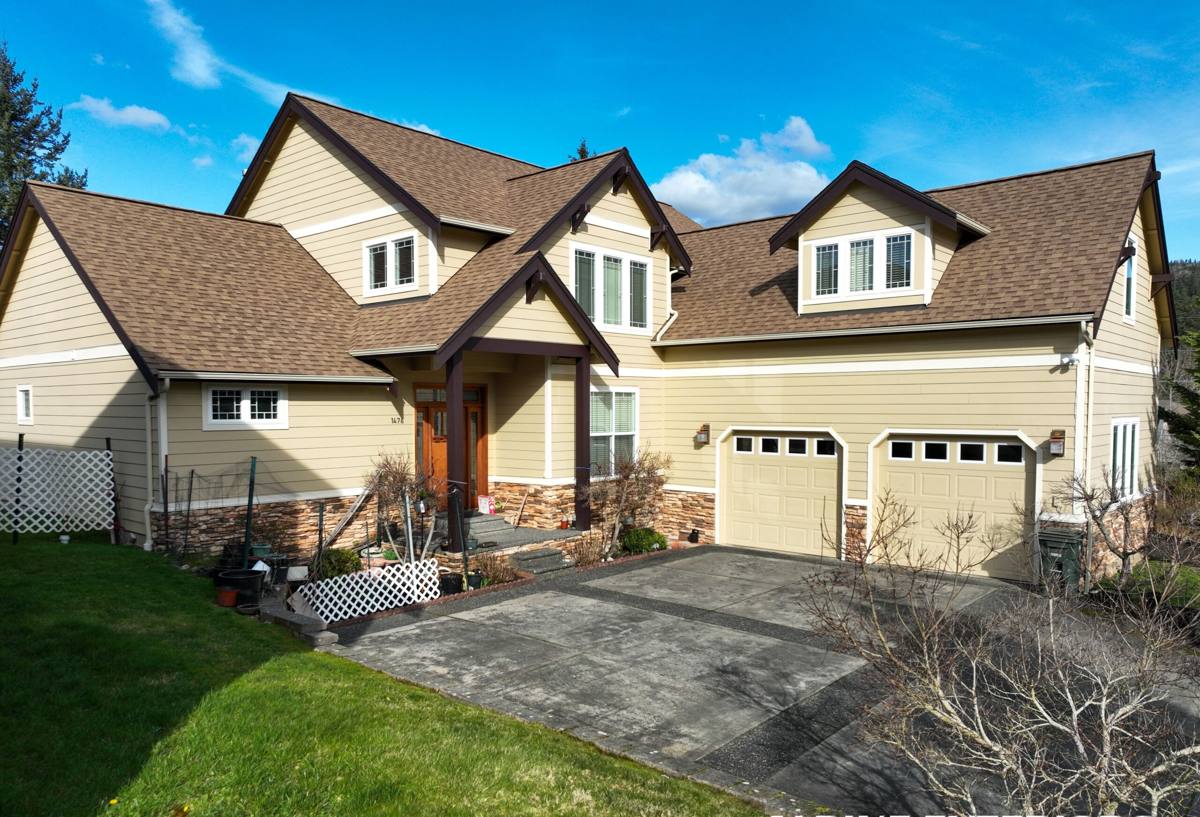
Signs a Fairhaven Home Needs New Windows
Not every problem window needs full replacement, but in this climate, several signs together usually mean it's time to stop patching and start planning for new units:
- Soft, spongy, or discolored wood at the sill or lower corners of the frame
- Persistent condensation or fogging trapped between panes on double-glazed units
- Drafts you can feel near the frame even when the window is fully latched
- Hardware that's stiff, rusted, or no longer holds the sash in position
- Visible daylight or gaps around the frame when viewed from outside
- Paint that keeps failing in the same spot no matter how often it's touched up
- Noticeably higher heating bills in a home that hasn't changed its insulation anywhere else
One or two of these on their own might just call for repair or re-caulking. Several together, especially on a window original to an older home, usually mean the frame and seals have reached the end of their useful life and repair would just be delaying the inevitable.
What a Correct Installation Actually Involves
Window installation looks simple from the outside — pull the old one, set the new one, trim it out — but the parts that actually determine whether a window lasts fifteen years or fifty are mostly hidden once the job is finished.
Flashing and Water Management
Every opening needs to shed water down and out, never inward. That means flashing tape or pan flashing at the sill, properly lapped house wrap around the rough opening, and a clear path so any water that does get behind the trim has somewhere to drain. Skipping or rushing this step is the single most common reason a window leaks within a few years, and it's invisible once the trim goes back on — which is exactly why it has to be done right the first time.
Sealing Without Trapping Moisture
Caulk and sealant matter, but knowing where not to seal matters just as much. An opening sealed airtight on every surface, with no way for incidental moisture to escape, can trap water inside the wall cavity instead of keeping it out — a mistake that shows up later as rot the homeowner never sees coming until it's serious. Correct sealing follows a specific order: sealed on the exterior face, air-sealed on the interior, and left to breathe in between.
Fit and Shimming
An out-of-square opening — common in older Fairhaven homes that have settled over decades — needs to be shimmed and squared before the window ever goes in, not adjusted for afterward. A window forced into an opening that isn't plumb will bind, won't latch cleanly, and will stress its seals from the very first winter.
Choosing the Right Frame Material for a Fairhaven Home
Frame material affects how a window holds up in this climate more than almost any other single choice. Here's how the common options compare for a coastal Bellingham property:
| Frame Material | Salt Air / Moisture Handling | Maintenance | Notes for Fairhaven |
|---|---|---|---|
| Vinyl | Good — won't rust or rot | Low | Budget-friendly; check seam welds on larger units |
| Fiberglass | Very good — stable through wide temperature swings | Low | Holds paint well when matching historic trim colors |
| Aluminum | Fair — prone to corrosion near salt air unless well-coated | Moderate | Thermal performance is a real concern in Whatcom County winters |
| Wood | Fair — needs consistent upkeep to resist rot | High | Common in older Fairhaven homes; upkeep matters more this close to the water |
| Wood-clad (vinyl or aluminum exterior, wood interior) | Good — exterior shell resists weather, interior keeps a traditional look | Moderate | A common choice when matching an older home's original appearance matters |
There isn't one correct answer for every home. A house a few blocks from the water has different priorities than one set back under heavy tree cover, and a strict budget changes the calculation too. Part of our job on-site is walking through those trade-offs honestly before you commit to a material.
Glass Performance and Condensation Control
In a marine climate, the glass package matters almost as much as the frame. Persistent humidity and day-to-night temperature swings near the water make condensation resistance a practical concern, not just an efficiency talking point. Low-E coatings reduce heat transfer through the glass, inert gas fill between panes improves insulating value, and a warm-edge spacer system reduces the cold spot at the edge of the glass where condensation tends to form first on a damp morning.
None of this has to be complicated for the homeowner to weigh. Better glass packages cost more upfront, resist condensation and fogging longer, and typically pay some of that difference back through lower heating costs in a house that runs its furnace or heat pump most of the year. We'll go over the realistic options for your budget rather than defaulting to the most expensive package.
Older Homes and Keeping the Character Intact
A lot of Fairhaven's housing stock predates modern window standards, and that history is part of what makes the neighborhood worth preserving. When we replace windows on an older home here, matching the original sightlines, muntin pattern, and proportions matters as much as the performance specs on paper — a technically excellent window that looks wrong on a century-old facade is still the wrong window for that house.
Rough opening size is where this becomes practical rather than just aesthetic. Older openings are frequently a different size than anything sold off the shelf today, and forcing a standard-size replacement into a non-standard opening usually means covering the gap with extra trim that changes the window's proportions and throws off the look of the whole facade. The better approach, when the budget allows, is a custom or made-to-size unit that fills the original opening cleanly without altering how the house reads from the street.
Our Window Installation Process
The steps don't change much from house to house, but the details we pay closest attention to are shaped by what we've actually seen fail in this specific climate over time:
- On-site assessment — we check existing frames, sills, and surrounding wall material for hidden rot or moisture damage before quoting anything
- Measuring and product selection — exact rough opening dimensions, plus a straightforward conversation about material, glass package, and appearance
- Removal — old units come out carefully to protect siding, trim, and interior finishes around the opening
- Opening prep — any soft wood or damaged sheathing gets addressed before a new window goes in; installing new glass into a rotten opening just hides the problem for a few years
- Flashing and setting the window — proper flashing sequence, shimming to plumb and square, fastening to manufacturer specification
- Sealing and insulating — exterior sealant, interior air sealing, and low-expansion foam or backer rod where it's appropriate
- Trim and finish work — interior and exterior trim reinstalled or rebuilt to match the home's existing lines
- Final walkthrough — every window operated, checked for square, and inspected for a clean seal before we call the job done
Cost Factors Worth Understanding
Window installation pricing varies by home, and we'd rather explain what drives the number than quote a figure that doesn't mean much without context. In general, expect the total to move based on a handful of factors:
| Factor | Why It Matters |
|---|---|
| Frame material | Vinyl is typically the most affordable; fiberglass and wood-clad cost more upfront but often last longer in this climate |
| Standard vs. custom size | Older, non-standard openings usually require made-to-size units, which cost more than stock sizes |
| Hidden damage | Rot found in the sill or framing during removal adds repair work before the new window can be set |
| Number of windows | Replacing several windows in one visit typically costs less per window than doing them one at a time |
| Glass package | Upgraded glass adds cost upfront but can reduce long-term energy bills and condensation issues |
We give straightforward, itemized estimates so you can see where the money is going, rather than one lump number that hides the details behind it.
Why a Crew That Already Works in Fairhaven Matters
A contractor who regularly works in Fairhaven has already seen how this neighborhood's homes age — which sills tend to soften first, how much shimming a typical older opening needs, and how to trim out a replacement so it still looks like it belongs on the house. That familiarity saves time on-site and avoids surprises that a crew unfamiliar with Bellingham's coastal conditions and Whatcom County's older housing stock might not anticipate until they're already mid-job. It also means we're a known, reachable business if a question comes up after the work is finished, not a crew that drove in from out of the area for one project and moved on to the next town.
If your windows are showing their age or just aren't keeping the weather out the way they used to, we're happy to take a look and walk you through your options honestly. Fill out the form below for a free, no-pressure estimate — we'll assess your specific windows and give you a straight answer on what they actually need.