 Bellingham
 Silver Beach's Siding Has a Harder Job Than Most of Bellingham
Silver Beach sits close enough to Bellingham Bay that salt-laden air is a daily fact of life, not an occasional weather event. Add Whatcom County's long wet season, driving rain off the water, and the shade cover that keeps roofs and siding damp well after a storm passes, and you've got a neighborhood where exterior materials get tested harder and faster than they would a few miles inland. Homes here don't just need siding that looks good on install day. They need a system that can shrug off salt exposure, shed wind-driven rain instead of absorbing it, and resist the moss and algae growth that thrives in shaded, moisture-heavy microclimates near the shoreline.
We install James Hardie fiber cement siding exclusively, and Silver Beach is a good example of why. This isn't a generic siding pitch — it's a look at what this specific product does for this specific stretch of Bellingham, and what a correct installation actually involves.
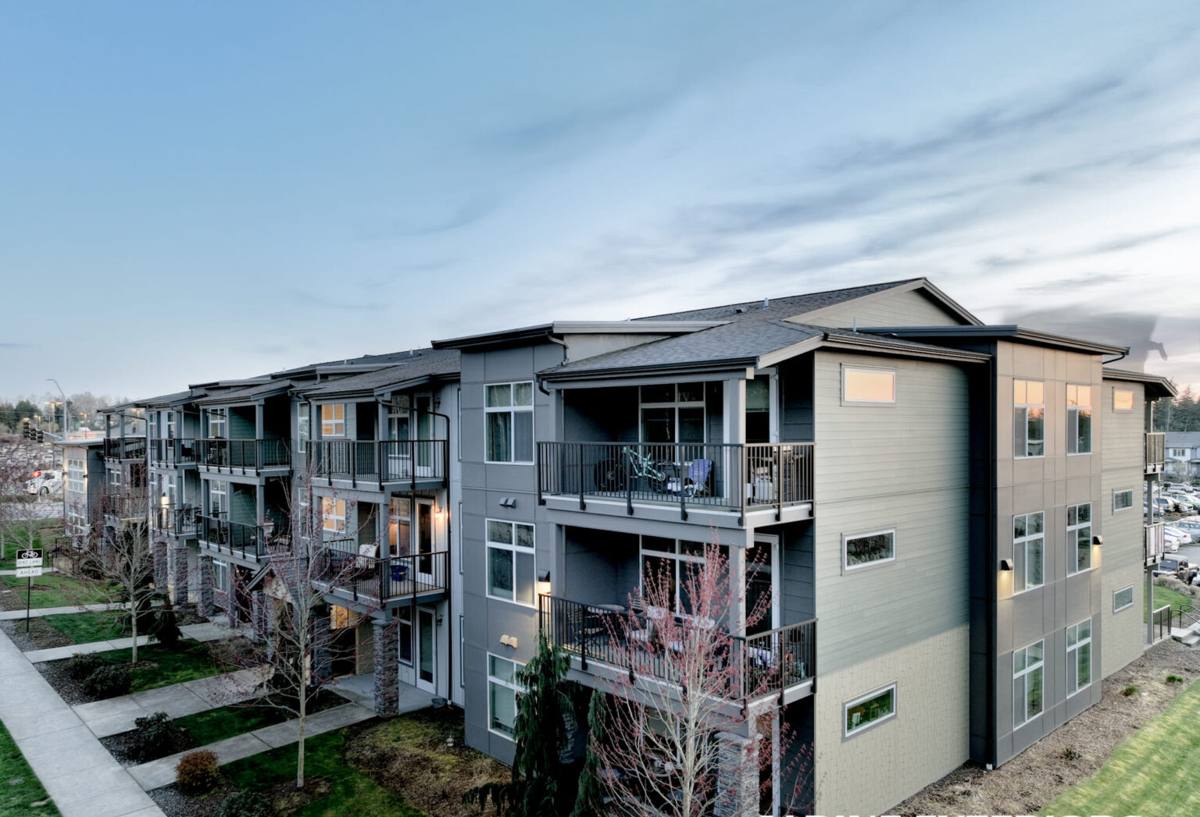
What Salt Air, Rain, and Moss Actually Do to Siding
Salt Air
Airborne salt accelerates corrosion of metal fasteners and trim, and it breaks down cheaper paint and coating systems faster than inland exposure would. Siding that isn't engineered with a durable factory finish tends to chalk, fade, or lose adhesion sooner near the water — meaning more frequent repainting and a shorter usable life for the finish, even if the substrate underneath is otherwise sound.
Driving Rain
Wind off the bay doesn't just drop rain straight down — it pushes it sideways, into laps, seams, and butt joints that a calmer climate would rarely stress. Siding systems with wide sealant reliance or materials prone to swelling when wet are the first to show problems: cupping, soft spots, and paint failure at the joints.
Moss and Algae
Shaded, north-facing walls and areas close to mature trees stay damp far longer after rain in Silver Beach than sun-exposed walls do. That prolonged moisture is exactly what moss and algae need to take hold. Over years, organic growth on siding traps even more moisture against the surface, compounding the problem if the underlying material can absorb water.
Why James Hardie Fiber Cement Fits This Climate
James Hardie siding is fiber cement — sand, cement, and cellulose fiber, engineered to resist moisture absorption in a way wood-based and foam-based products can't match. That matters directly for a location like Silver Beach:
- It doesn't swell, warp, or rot when it takes on repeated wet-dry cycles from driving rain
- It's non-combustible, which matters given Whatcom County's dry-season wildfire risk even in a generally wet climate
- The ColorPlus factory finish is baked on and warranted against fading and peeling — a real advantage where salt air degrades field-applied paint faster
- James Hardie's HZ5 product line is engineered specifically for cold, wet, moisture-heavy climates like the Pacific Northwest
- The dense, engineered surface sheds moisture rather than absorbing it, which slows moss and algae colonization compared to more porous or textured materials
None of that means Hardie siding is maintenance-free. It means the material itself isn't the weak link — the installation is what determines whether the siding actually performs the way it's engineered to.
Why We Don't Install Everything Else
We get asked why we don't offer vinyl, LP SmartSide, or cedar as options. In a neighborhood like Silver Beach, the honest answer is climate exposure:
- Vinyl can warp or become brittle with temperature swings and UV exposure over time, and its seams and J-channels give wind-driven rain more opportunities to find a way behind the cladding.
- LP SmartSide and other engineered wood products use wood strand cores that, while treated, remain more vulnerable to moisture intrusion at cut edges and joints than fiber cement — a real concern in a driving-rain environment.
- Cedar and primed spruce are attractive materials but require ongoing refinishing to keep their protective coating intact. Near the bay, that maintenance cycle shortens considerably, and any lapse in upkeep opens the door to rot.
We're not saying these products fail everywhere — plenty perform fine in drier, more sheltered locations. We're saying that for a shoreline-adjacent, high-moisture neighborhood like Silver Beach, we'd rather stand behind one material we trust than sell something we know needs more babying than the climate here allows.
What a Correct James Hardie Installation Involves
Fiber cement siding is only as good as the install behind it. This is where most of the long-term performance difference actually comes from — not the brand on the box.
Weather Barrier and Drainage Plane
A code-compliant weather-resistant barrier goes on first, with attention to proper lapping and sealing at every penetration. In a driving-rain neighborhood, this layer is doing real work, not just satisfying an inspector.
Rainscreen or Drainage Gap
Where conditions call for it, a drainage gap between the siding and the wall assembly lets any moisture that does get past the cladding drain and dry out instead of sitting against the sheathing. This is especially relevant on shaded walls that stay damp longer.
Fastening and Clearances
James Hardie publishes specific fastener patterns, clearances from grade, roofing, and decks, and gapping requirements at butt joints and trim. Skipping these isn't cosmetic — it's how water finds its way behind the siding over time.
Caulking and Flashing Details
Correct flashing at windows, doors, and any wall penetrations matters more here than in a drier inland location, because there's simply more water hitting the wall over the course of a year. This is also where cutting corners is easiest to hide — and easiest for a homeowner to regret years later.
Our Process for a Silver Beach Project
- On-site assessment — we look at your home's specific exposure: which walls face the water and prevailing wind, where shade keeps surfaces damp longer, and what your current siding and sheathing condition tells us about moisture history.
- Product and color selection — we walk through James Hardie's HZ5 lineup and ColorPlus finish options suited to this climate, including how different colors and textures read against Bellingham's typical light.
- Written scope — a clear plan covering weather barrier, drainage details, fastening, trim, and flashing — no vague "siding replacement" line items.
- Installation to manufacturer spec — following James Hardie's published installation requirements, not shortcuts, so the warranty stays intact and the performance is real.
- Final walkthrough — we review the completed work with you, including care and maintenance basics specific to a salt-air, high-moss environment.
Why Local Installation Experience Matters Here
Silver Beach isn't a generic siding job. A crew that hasn't worked this specific kind of exposure can install a technically fine product and still miss the details that matter most here — how much drainage capacity to build in, where moss growth is likely to concentrate, which walls need extra attention to flashing because of wind direction off the bay. A crew that already works this neighborhood has seen how these homes actually weather over time, not just how they look on installation day.
That experience also shows up in smaller judgment calls: matching trim details to the existing home, sequencing work around Whatcom County's wetter months, and knowing which manufacturer specs are non-negotiable in this climate versus which details have some flexibility.
Cost Factors for a Silver Beach James Hardie Project
| Factor | Why It Affects Cost |
|---|---|
| Home size and wall complexity | More corners, dormers, and trim details mean more cutting, fitting, and fastening time |
| Existing siding removal and sheathing condition | Moisture-damaged sheathing found underneath old siding may need repair before new siding goes on |
| Drainage plane / rainscreen detailing | Additional labor and materials for a full drainage gap system versus a standard direct-applied assembly |
| Trim and accessory selection | James Hardie trim boards, soffit, and fascia to match add cost over reusing existing trim where it's sound |
| Color and finish selection | Standard ColorPlus colors versus custom or premium finish options |
| Access and site conditions | Slopes, tight lot lines, and staging challenges common in shoreline-adjacent neighborhoods |
Signs Your Silver Beach Home May Need Siding Attention
- Persistent moss or algae staining that returns shortly after cleaning
- Paint that's chalking, peeling, or fading faster than it should, especially on water-facing walls
- Soft spots, bubbling, or visible warping in siding panels or trim
- Rust streaking from fasteners or trim hardware
- Gaps opening up at butt joints, corners, or around windows and doors
- Rising energy bills that may point to a compromised weather barrier behind aging siding
If you're noticing any of these signs on your Silver Beach home, or you're planning ahead for a siding replacement, we're happy to take a look and walk you through what correct James Hardie installation would involve for your specific property. Reach out for a free, no-pressure estimate — no obligation, just a straight assessment of where your home stands.