 Bellingham
 Why Puget's Roofs Work Harder Than Most
Puget sits close enough to the water and the weather patterns that move through Whatcom County that its roofs take on a specific combination of stresses: salt-laden air drifting in off the Sound, long stretches of driving, wind-pushed rain, and a moss season that can run for the better part of the year in shaded, tree-covered lots. None of these are dramatic events on their own. The damage they do is cumulative — a slow erosion of fasteners, seams, and coatings that shows up as leaks, staining, or premature failure five or ten years earlier than the same roof would fail somewhere drier and further inland.
Metal roofing, done correctly, is one of the better answers to that combination. It sheds water fast, resists moss better than most other materials, and — with the right coating and fastener choices — holds up to salt exposure for decades. Done incorrectly, though, a metal roof in a coastal-influenced climate like Puget's can corrode at the fasteners, trap moisture at bad seams, and fail in ways that are expensive to fix. The difference almost always comes down to material selection and installation detail, not the metal itself.
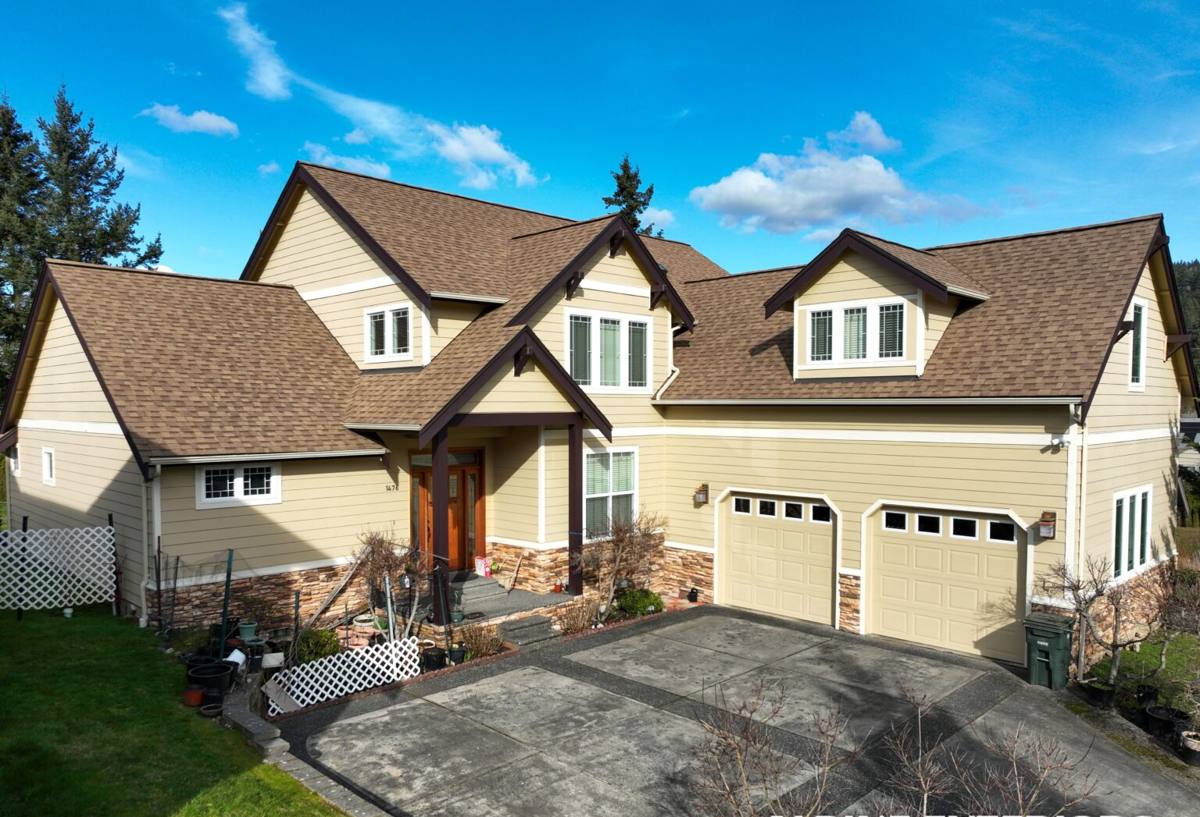
What Local Homes Actually Need From a Metal Roof
A metal roof installed in Puget needs to do four things well: shed sustained rain without backing up at seams or penetrations, resist corrosion from salt-influenced moisture in the air, discourage moss and organic buildup on shaded slopes, and hold its fasteners and flashing tight through repeated wet-dry and freeze-thaw cycling over the winter. Any metal roofing job that doesn't address all four is cutting a corner somewhere, even if it looks fine on installation day.
Water Volume, Not Just Water Presence
Bellingham doesn't get the heaviest rainfall totals in the state, but Puget's exposure means storms often arrive with wind-driven rain that hits roof planes at an angle instead of falling straight down. That changes how water behaves at laps, ridges, and valleys — it can be pushed upward under a panel edge that would shed a straight-down rain just fine. Panel overlap, sealant placement, and underlayment choice all need to account for that, not just for total rainfall.
Salt-Influenced Air
Homes closer to the water deal with airborne salt that settles on exposed metal and accelerates corrosion, especially at cut edges, exposed fasteners, and dissimilar-metal contact points. This isn't unique to waterfront property — salt-laden air travels inland on wind, so even homes set back from the shoreline see some of this exposure over the life of a roof.
Moss and Organic Growth
Whatcom County's tree cover and damp shoulder seasons give moss a long runway to establish itself, particularly on north-facing slopes and roof sections shaded by mature trees. Moss holds moisture against roofing material, and on the wrong substrate it can work its way under laps and fasteners over time.
Choosing the Right Metal System for This Climate
Not all metal roofing is equal once you factor in salt exposure and sustained rain. The panel profile, the base metal, and the coating system all matter more here than they would in a dry inland climate.
| System | Best For | Coastal/Moisture Notes |
|---|---|---|
| Standing seam (concealed fastener) | Most Puget homes, especially steeper or more exposed roof planes | No exposed fastener heads to corrode; seams mechanically locked rather than sealant-dependent, which holds up better to driving rain |
| Exposed-fastener panel | Budget-conscious projects, outbuildings, lower-slope secondary roofs | Lower upfront cost, but exposed fasteners and washers are the first thing to show wear in salt-influenced air — needs more frequent inspection |
| Galvalume steel | General-purpose roofing on most home styles | Good corrosion resistance for the price; performance depends heavily on the paint/coating system over it |
| Aluminum | Homes closer to the water or with a documented history of salt-related corrosion | Naturally more corrosion-resistant than steel in salt air, though it comes at a higher material cost |
We walk homeowners through this table in person, because the right answer depends on how exposed a given roof plane actually is, how much shade and moss risk it carries, and what the budget allows — not on a single "best" product that fits every house.
Fasteners, Flashing, and the Details That Actually Fail First
When a metal roof in a climate like Puget's fails early, it's almost never the metal panel itself — it's a fastener, a flashing detail, or a point where two different metals were allowed to touch. Getting these right is most of what separates a roof that lasts decades from one that starts leaking in year six.
- Fastener material match: Fasteners should be matched to the panel metal to avoid galvanic corrosion, where two dissimilar metals in contact accelerate each other's breakdown in the presence of moisture.
- Sealant washers rated for UV and moisture: Cheap gaskets harden and crack within a few years in this climate; we use fastener systems rated for long-term outdoor exposure.
- Flashing at every penetration: Vents, chimneys, and skylights are where wind-driven rain finds its way in — flashing needs to be formed and layered correctly, not just caulked.
- Valley and eave detailing: Valleys carry concentrated water volume during heavy storms; undersized or poorly lapped valley flashing is a common source of leaks that show up well after installation.
- Proper panel overlap direction: Overlaps need to run with the prevailing water flow and account for wind-driven rain angles specific to the roof's exposure, not a generic default.
Moss Prevention Built Into the Job, Not an Afterthought
Metal roofing already resists moss better than shingles or wood shakes because it doesn't give organic growth the same textured surface to grip. But a metal roof in a shaded, tree-heavy Puget lot still needs help staying clear over the long moss season. We factor this into the installation itself: smooth panel profiles that shed debris more easily, proper slope and drainage so water doesn't pool and give moss a foothold, and gutter and downspout sizing that keeps pace with the volume of water and debris a tree-covered lot generates. Zinc or copper strip options can also be discussed for roofs with a documented moss history, since trace metal runoff helps discourage regrowth on the panels below.
How Our Process Works
Every Puget metal roofing job starts with an on-site assessment of the specific roof — its slope, tree exposure, existing moss or corrosion issues, and how exposed it is to wind-driven weather. From there:
- Inspection and measurement: We assess the existing roof structure, decking condition, and any moisture damage before recommending a system.
- System selection: Based on the roof's exposure and the homeowner's budget, we recommend a panel type, metal, and coating suited to that specific roof plane — not a one-size answer for the whole house.
- Deck and underlayment prep: Damaged decking gets addressed before anything goes on top of it, and underlayment is chosen for its moisture performance, not just cost.
- Installation: Panels, fasteners, and flashing go in following manufacturer specifications and the detailing described above, with particular attention to valleys, penetrations, and edges.
- Final walkthrough: We review the completed roof with the homeowner, including what maintenance to expect and what to watch for over the first year.
What a Metal Roof Costs to Own Over Time
Metal roofing carries a higher upfront cost than asphalt shingles, but the comparison that actually matters in a climate like Puget's is total cost of ownership, not sticker price alone. A correctly installed metal roof with the right coating typically outlasts two or more shingle roof replacements, needs less moss-related maintenance, and holds up better to the driving rain that tends to find weaknesses in lower-grade materials over time. The variables that move cost most are panel type (standing seam runs higher than exposed-fastener), metal choice (aluminum costs more than Galvalume steel), roof complexity (valleys, dormers, and multiple penetrations add labor), and existing deck condition.
Maintenance a Puget Homeowner Should Actually Do
A metal roof is lower-maintenance than most materials, but "low-maintenance" isn't "no-maintenance" in this climate. A short annual routine catches most problems while they're still cheap to fix.
- Clear gutters and downspouts before the fall rains arrive, especially on lots with mature trees.
- Do a visual check for moss or organic buildup on shaded, north-facing slopes each spring.
- Look for any fastener heads that appear loose, rusted, or missing their sealant washer.
- Check flashing around chimneys, vents, and skylights for gaps after any major windstorm.
- Trim back tree limbs that overhang the roof to reduce debris load and moss risk.
- Have the roof professionally inspected every few years, particularly if the property is closer to the water.
Why It Matters That We Already Work in Puget
A crew that installs metal roofing across a range of climates but doesn't regularly work in coastal Whatcom County conditions can still do a technically competent installation — and still miss the details that only show up after a few Puget winters. Knowing which slopes in this area tend to hold moss the longest, how far salt-influenced air actually reaches inland from the Sound, and which flashing details fail first under this specific rain pattern comes from doing this work here repeatedly, not from a general roofing background. That local pattern recognition is what keeps a roof performing at year fifteen the way it did on installation day.
If you're weighing a metal roof for a Puget property, we're happy to walk your specific roof, talk through panel and coating options, and give you a straightforward estimate — no pressure, no sales script. Reach out using the form below to get started.