 Bellingham
 Roof Replacement Built for Sehome's Climate
Sehome sits close enough to Bellingham Bay that salt-laden air, wind-driven rain off the Strait, and Whatcom County's long wet season all show up in how roofs age here. A roof that might last two extra years in a drier inland town can start failing early in Sehome if it wasn't installed with this specific climate in mind. That's the difference between a roof replacement done to a national average spec and one done for this neighborhood.
Sehome's mix of older single-family homes, converted craftsman-style houses, and newer infill construction near Western Washington University means we see a wide range of roof ages, pitches, and past repair histories in this part of town. Some roofs have been patched over patches for a decade. Others are original to homes built well before modern underlayment and ventilation standards existed. Both situations call for a straight assessment before anyone talks about pricing.
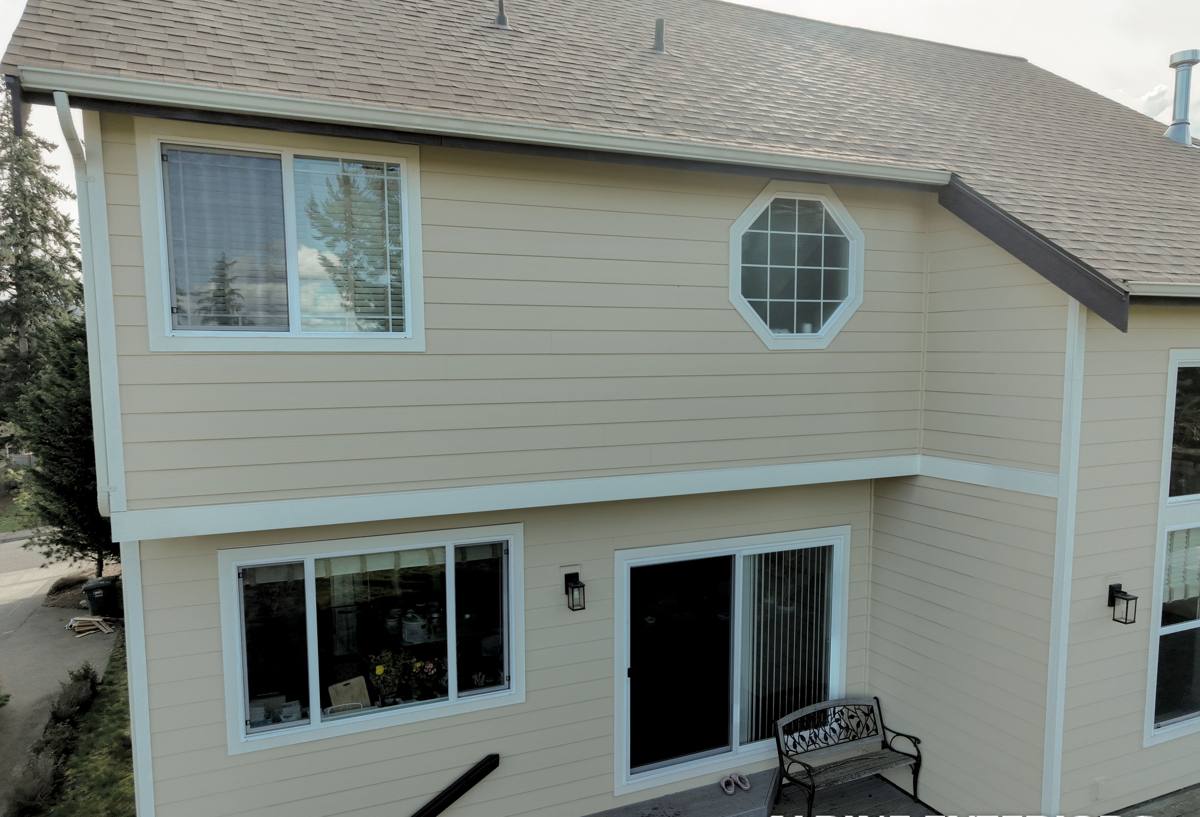
Why This Climate Wears Roofs Down Faster
Three factors combine in Sehome in a way that's worth understanding before you replace a roof, not after.
Salt Air and Metal Fatigue
Proximity to the bay means airborne salt settles on roofing materials, flashing, and exposed fasteners. Over years, this accelerates corrosion on lower-grade metal flashing and uncoated fasteners, which is often where leaks start — not in the field of the roof itself, but at the edges, valleys, and penetrations where metal meets metal.
Driving Rain
Bellingham doesn't just get rain — it gets wind-driven rain that hits roofs at an angle instead of falling straight down. This matters because it pushes water sideways under shingles, into laps, and toward fastener lines that a straight-down rain would never reach. Underlayment quality and proper shingle overlap aren't optional details in this climate; they're the actual difference between a dry attic and a slow, hidden leak.
Moss Season
Whatcom County's moss season runs long — shaded, north-facing slopes and roofs under tree cover can stay damp for months at a stretch. Moss doesn't just look bad; it holds moisture against the roofing material, lifts shingle edges as it grows, and works its way into fastener lines over time. A roof replacement that doesn't account for shade patterns, tree cover, and drainage on your specific lot is missing a big part of what actually determines how long that roof lasts in Sehome.
Signs a Sehome Roof Needs Replacing, Not Just Patching
Not every roof problem means a full replacement. But in this climate, certain signs usually mean patching is a temporary fix, not a real solution.
- Granule loss showing up in gutters or at downspout outlets, especially on south- and west-facing slopes
- Moss or dark streaking that returns within a season or two of cleaning
- Soft spots or sagging in the roof deck when walked on
- Curling, cupping, or cracked shingles concentrated in one area rather than spread evenly
- Flashing around chimneys, vents, or skylights that's rusted, lifted, or was clearly re-caulked instead of properly reflashed
- Daylight visible through the roof deck from inside the attic
- Interior ceiling stains that appear after wind-driven rain specifically, not just heavy rain in general
- A roof already past 20-25 years old with multiple past repairs
If you're seeing two or more of these, it's worth getting an honest inspection rather than paying for another round of patching that only buys a year or two.
What a Correct Roof Replacement Involves Here
A roof replacement done right for Sehome's conditions isn't just tearing off old shingles and nailing down new ones. The details that matter in this climate are mostly things you won't see once the job is finished — which is exactly why it matters who's doing the work.
Tear-Off and Deck Inspection
Full tear-off lets us actually see the roof deck condition — soft or rotted plywood from long-term moisture intrusion needs to be replaced before anything new goes down, not covered over. This is also when we catch ventilation problems that a cover-over roof would hide for years.
Underlayment Selection
Given the driving rain this area gets, we use synthetic or ice-and-water underlayment strategically at eaves, valleys, and vulnerable transitions rather than relying on minimum-code coverage everywhere. This is one of the least visible parts of a roof and one of the most important for keeping wind-driven rain out.
Flashing Upgrades
Because salt air accelerates corrosion on lower-grade metal, we favor corrosion-resistant flashing at chimneys, skylights, sidewalls, and valleys rather than reusing old flashing or relying on sealant alone. Sealant is a maintenance item, not a permanent fix — proper flashing geometry does the real work.
Ventilation and Moisture Control
Balanced intake and exhaust ventilation keeps attic moisture from condensing against the underside of the new roof deck, which matters year-round in a climate this humid. Poor ventilation is a common reason roofs fail from the inside out well before the shingles themselves wear out.
Moss-Resistant Detailing
On shaded slopes or lots with heavy tree cover, we talk through options like zinc or copper strips near the ridge, which help suppress moss regrowth over time, along with making sure valleys and low-slope transitions are detailed to shed water and debris rather than trap it.
Our Process, Start to Finish
- Free on-site inspection — we walk the roof and attic, check the deck, ventilation, flashing, and any problem areas specific to your home's exposure and tree cover.
- Honest scope and estimate — you get a clear breakdown of what's actually needed versus what's optional, with material options explained in plain terms.
- Scheduling around Whatcom County weather — we plan tear-off and dry-in around forecasted rain windows rather than starting a job we can't get watertight the same day.
- Tear-off and deck repair — old roofing removed, deck inspected, any rotted or soft sheathing replaced.
- Underlayment, flashing, and ventilation installed — the parts of the job that determine how the roof performs, not just how it looks.
- New roofing installed to manufacturer spec — correct nailing patterns, exposure, and overlap, which matters more in wind-driven rain than in calmer climates.
- Final walkthrough and cleanup — magnetic sweep for stray fasteners, full site cleanup, and a walkthrough of what was done.
Cost Factors for Sehome Roof Replacements
There's no honest way to quote an exact price without seeing the roof, but the factors that move the price in this neighborhood tend to be consistent. Broadly, most full roof replacements on typical Sehome single-family homes land somewhere in the mid five figures, with wide variation based on size, pitch, and material choice.
| Factor | Why It Matters Here |
|---|---|
| Roof size and pitch | Steeper pitches common on older Sehome homes take longer to work safely and use more material per square |
| Deck condition | Hidden rot from long-term moisture intrusion adds sheathing replacement cost, only known once tear-off starts |
| Layers of existing roofing | Multiple old layers mean more tear-off labor and disposal |
| Flashing complexity | Chimneys, skylights, and dormers each need custom flashing work, especially with corrosion-resistant metal |
| Underlayment upgrade | Ice-and-water and synthetic underlayment cost more upfront but reduce wind-driven rain risk |
| Ventilation changes | Adding or correcting intake/exhaust venting affects both cost and long-term roof life |
| Material choice | Asphalt, metal, and composite options carry different upfront costs and different long-term moss and salt-air performance |
Why a Crew That Already Works Sehome Makes a Difference
A roofing crew that works Sehome regularly already knows which streets sit in heavier tree shade, which lots catch more wind off the bay, and which older home styles in this neighborhood tend to have specific ventilation or deck quirks. That's not something you can fully substitute with a generic inspection checklist. It means fewer surprises mid-project and material choices that are already matched to what actually holds up here, instead of a one-size-fits-all national spec.
It also means accountability. A local, licensed contractor with a real presence in Whatcom County isn't hard to find again if something needs attention after the job is done — which matters far more for something as exposed to weather as a roof than it does for most other home projects.
Maintaining Your Roof After Replacement
A correctly installed roof still benefits from basic upkeep in this climate. Keep gutters clear so water isn't backing up under the roof edge, especially during fall leaf-drop and winter storms. Have moss growth addressed before it spreads rather than after, particularly on shaded north-facing slopes. And after major windstorms, a quick visual check for lifted or missing shingles can catch a small problem before it becomes a deck-level repair. None of this requires a service contract — just attention a couple of times a year.
Get a Free, No-Pressure Estimate
If your Sehome roof is showing its age, or you just want an honest read on how much life it has left, we're happy to take a look. The estimate is free, there's no pressure to sign anything on the spot, and you'll get a straight answer about what your roof actually needs — not just what's easiest to sell. Use the form below to get started.