 Bellingham
 Board & Batten Siding Built for Sehome's Climate
Sehome sits close enough to Bellingham Bay to catch salt-laden air off the water, and close enough to the hillside and tree canopy around Sehome Hill to stay shaded and damp for long stretches of the year. That combination is hard on exterior materials. Board and batten siding, with its bold vertical lines and deep shadow reveals, is one of the most popular looks for homes in this neighborhood, but the look only holds up if the siding underneath is built to handle what this climate throws at it year after year.
We install board and batten siding in Sehome using James Hardie fiber cement exclusively. This page walks through what the local climate does to siding over time, what a correct board and batten installation actually involves, and why the details matter more here than in a drier part of the state.
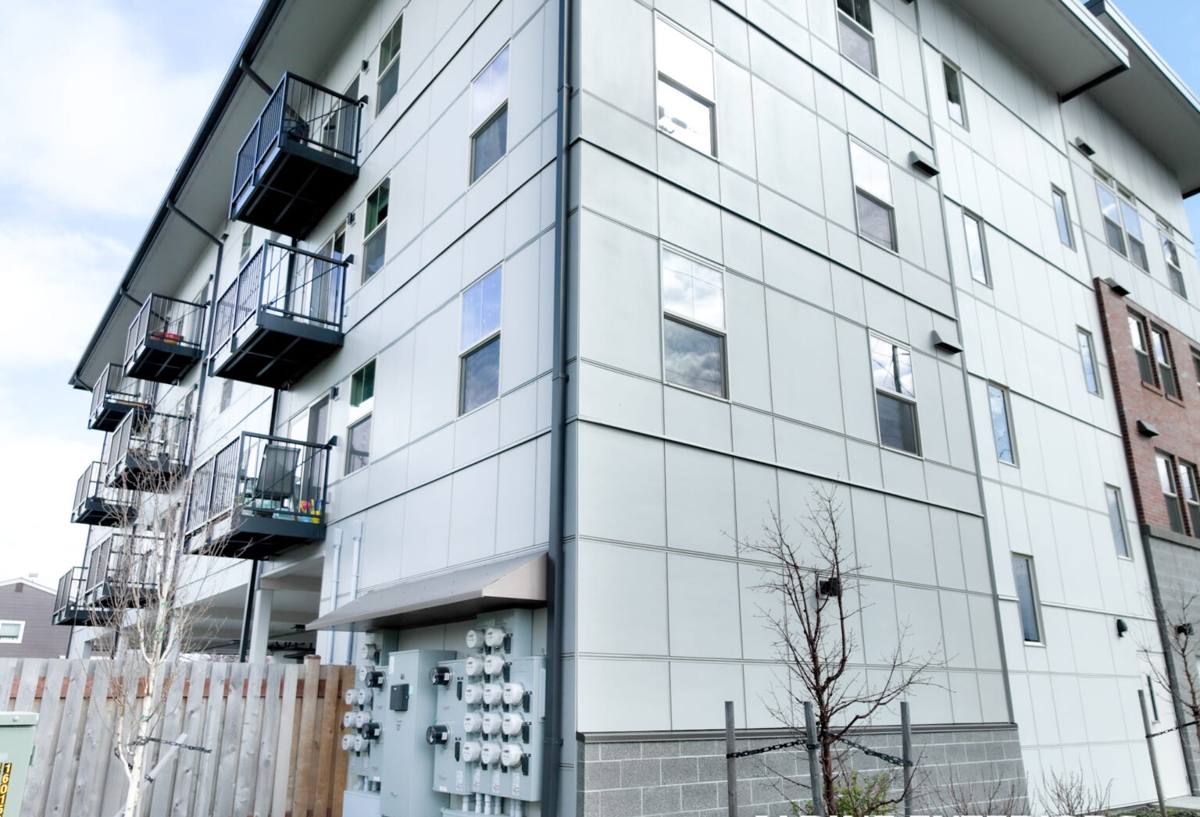
What Whatcom County Weather Does to Vertical Siding
Board and batten siding has more seams than lap siding — every batten strip creates a vertical joint, and every joint is a place water can find its way behind the surface if it isn't detailed correctly. In a marine climate like Bellingham's, that matters more than it would somewhere dry.
Salt Air
Air coming off Bellingham Bay carries fine salt that settles on exterior surfaces. Over years, it accelerates corrosion on exposed fasteners and metal trim, and it can dull or streak lower-quality paint finishes faster than an inland home would experience.
Driving Rain
Storms off the water don't always fall straight down — wind-driven rain pushes moisture sideways into vertical joints and battens, exactly the seams board and batten siding depends on staying tight. A siding system that isn't flashed and gapped correctly will let that water track behind the panel over time.
Moss Season
Whatcom County's long wet season, combined with shaded lots near tree cover, gives moss and algae months to establish themselves on north-facing walls and anywhere airflow is blocked. Moss holds moisture against the siding surface long after a storm has passed, which is exactly the condition that causes wood-based products to swell, and lesser paint systems to fail early.
Why We Install Board & Batten Only in James Hardie Fiber Cement
Board and batten is a style that can be built out of several materials — cedar, primed spruce, LP SmartSide, vinyl, or fiber cement. We've made a deliberate call to install it only in James Hardie fiber cement, and it comes down to how each material actually performs against salt air, driving rain, and a long moss season, not just how it looks on installation day.
| Material | How It Holds Up Locally |
|---|---|
| Cedar / primed spruce | Attractive natural look, but wood siding needs consistent recoating and is genuinely vulnerable to moisture absorption, cupping, and rot in a climate this wet — especially on shaded elevations where moss lingers. |
| Vinyl | Low cost and low maintenance, but it's a thin plastic product that can warp, fade, and doesn't give the crisp, deep shadow lines that make board and batten look right. Seams and fastening are also more forgiving of poor installation, which hides problems rather than preventing them. |
| LP SmartSide | An engineered wood product — better moisture resistance than raw wood, but it's still wood-based at its core, meaning cut edges and any breach in the factory coating are ongoing vulnerabilities in a wet marine climate. |
| James Hardie fiber cement | Non-combustible, dimensionally stable, and engineered specifically for moisture and swings in humidity. The ColorPlus factory finish is baked on and warrantied against fading and peeling, which matters on a material that's going to spend a lot of its life wet. |
None of the alternatives are bad products for every application — they just aren't what we're willing to put our name behind on a Sehome home that's going to face decades of wet winters. James Hardie's fiber cement is engineered to resist moisture intrusion, doesn't feed mold or moss the way wood-based products can, and holds its factory finish far longer than field-applied paint on wood or the color-through methods used on some competing products.
What a Correct Board & Batten Installation Actually Involves
Board and batten looks simple from the curb — vertical panels with battens covering the seams — but the parts you don't see are what determine whether it lasts fifteen years or fifty. This is where we see the most corner-cutting on past installs we've been called to repair.
Drainage Plane and Rainscreen Gap
Behind every board and batten installation should be a weather-resistant barrier and, in a climate like this one, a rainscreen gap that lets any moisture that does get behind the panel drain and dry out instead of sitting against the wall sheathing.
Flashing at Every Penetration
Windows, doors, hose bibs, light fixtures, and vents all need proper flashing integrated with the drainage plane before a single panel goes up. This is invisible once the job is done, and it's the single biggest factor in whether driving rain stays outside the wall assembly.
Fastening and Panel Gaps
James Hardie specifies exact fastener types, spacing, and panel gaps for board and batten applications. Gaps that are too tight don't allow for the material's normal expansion and contraction; fasteners that are the wrong type or driven incorrectly compromise the warranty and create early failure points, especially where salt air accelerates corrosion on the wrong hardware.
Batten Placement and Caulking
Battens need to land squarely over the panel seams with the right reveal, sealed with a paintable, exterior-grade sealant rated for the joint width. Done wrong, this is where the majority of water intrusion on board and batten jobs actually starts.
Our Process on a Sehome Board & Batten Project
- Walkthrough and assessment — we look at your home's exposure, existing siding condition, moisture or moss patterns, and trim details before quoting anything.
- Product and color selection — choosing the right James Hardie panel profile, batten spacing, and ColorPlus finish for your home's style and HOA or neighborhood expectations, if applicable.
- Prep and tear-off — removing old siding, inspecting sheathing for hidden rot or moisture damage before it gets covered up again.
- Weather barrier and rainscreen installation — the unglamorous work that determines how the siding performs for the next several decades.
- Flashing and panel installation — installed to James Hardie's fastening and gap specifications, not shortcuts.
- Batten placement, sealing, and final trim — clean lines, correctly sealed joints, and finish details that hold up to inspection.
- Final walkthrough — we go over the finished work with you before calling the job done.
Cost Factors for Board & Batten Siding in Sehome
Every home is different, so we won't quote a number without seeing your project, but these are the factors that actually move the price on a board and batten job in this area:
| Factor | Why It Matters |
|---|---|
| Home size and wall complexity | More corners, dormers, and roof lines mean more cutting, flashing, and batten layout work. |
| Existing siding condition | Tear-off and any sheathing repair from prior moisture damage add time before new siding can go up. |
| Panel and batten spacing | Narrower batten spacing means more material and more labor per square foot than wider reveals. |
| Trim and detail work | Window and door surrounds, corner boards, and fascia detailing add scope beyond the flat wall area. |
| Access and site conditions | Steep lots, tight setbacks, and limited staging area — common in some Sehome pockets near the hillside — can affect labor time. |
What to Expect After Installation
James Hardie fiber cement with a ColorPlus finish is genuinely low-maintenance compared to wood or field-painted siding, but "low-maintenance" doesn't mean "no maintenance" in a climate this wet. A simple seasonal routine keeps a board and batten job looking right for decades:
- Rinse siding with a garden hose once or twice a year to clear salt residue and organic buildup before it becomes moss.
- Keep gutters clear so overflow doesn't run down the wall and saturate battens and joints repeatedly.
- Trim back vegetation and tree limbs that hold shade and moisture against the siding surface.
- Check caulked joints at trim and penetrations every couple of years and have any cracked sealant redone.
- Avoid pressure washing directly into panel seams — it can force water behind the siding rather than removing it.
Why Hiring a Crew That Already Works in Sehome Matters
Board and batten performance in this climate isn't just about the product — it's about whether the crew installing it understands what Bellingham's marine exposure, driving rain, and moss season actually do to a wall assembly over time. A crew that installs mostly in drier inland climates may not think twice about rainscreen gaps or fastener corrosion resistance, because they haven't had to fix the callbacks that come from skipping them. We have. Knowing how Whatcom County's weather behaves, and building every board and batten installation around that reality, is the difference between siding that looks good for one season and siding that still looks good in twenty years.
If you're considering board and batten siding for a home in Sehome, we're happy to walk the property, talk through what your specific exposure and layout call for, and put together a straightforward, no-pressure estimate using the form below.