 Bellingham
 Storm Damage in Sehome: A Different Kind of Wear
Sehome sits close enough to Bellingham Bay to catch salt-laden air off the water, close enough to Sehome Hill and the wooded ridgeline to stay shaded and damp much of the year, and dense enough with older homes near Western Washington University that a lot of roofs are carrying decades of freeze-thaw cycles, windstorms, and moss growth without ever getting a proper post-storm inspection. Storm damage here rarely looks dramatic. It's a handful of lifted shingle tabs, a strip of flashing worked loose by wind, or a soft spot where moss has been trapping moisture against the deck for a season or two. None of that announces itself the way a collapsed ceiling does — until it does.
We repair storm damage on Sehome roofs specifically, not as a generic add-on to a citywide service area. That matters because the right fix depends on what actually caused the damage, and what caused it in this neighborhood is usually some combination of wind gusts funneling off the hill, driving rain pushed sideways by a Pacific storm system, and moss that's been doing slow damage long before the storm ever hit.
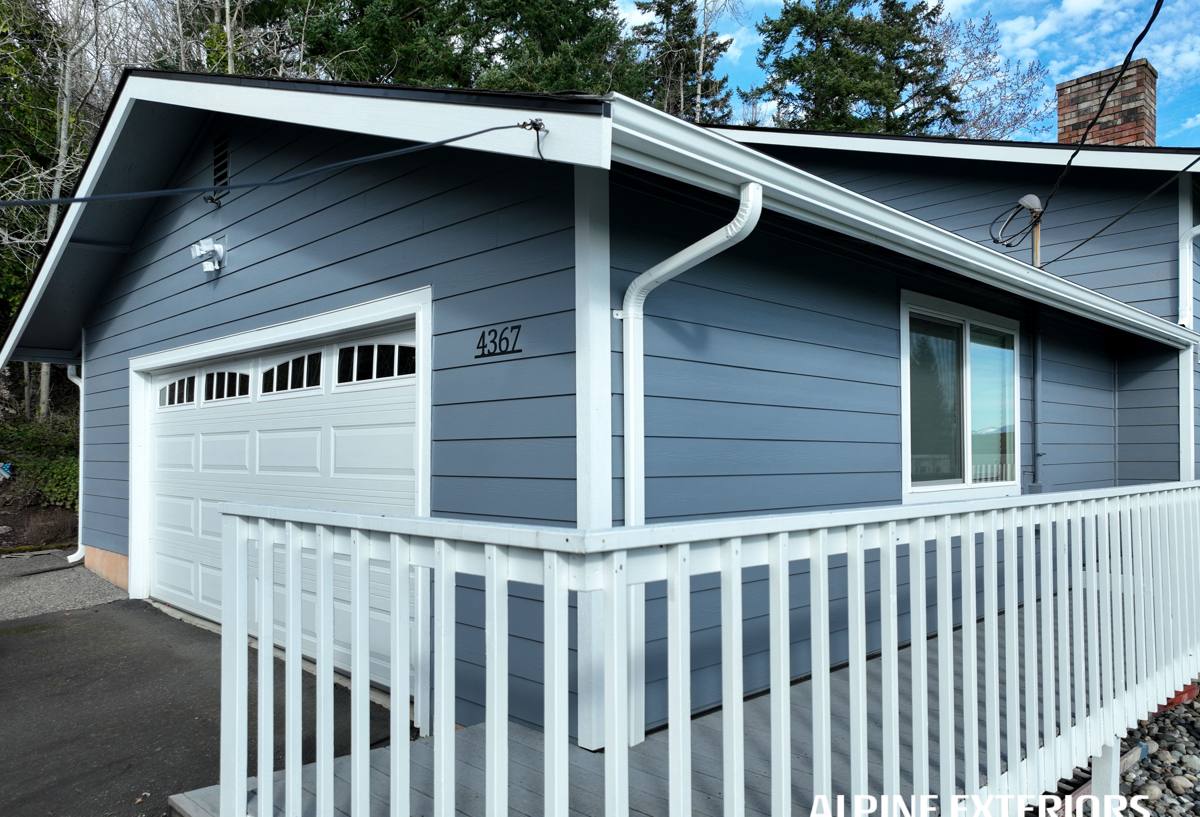
What Bellingham's Climate Does to a Roof Over Time
Whatcom County doesn't get the hail or tornado damage that drives storm repair in other parts of the country. Our storm damage is slower and more cumulative, which is exactly why it gets missed.
Salt Air
Homes within a few miles of Bellingham Bay see accelerated corrosion on exposed metal — nail heads, flashing, gutter fasteners, and vent boots. A storm that would barely scuff a shingle roof inland can be enough to finish off flashing that salt air has already been quietly eating away at for years.
Driving Rain
Wind-driven rain doesn't just fall on a roof, it gets pushed sideways and upward under shingle edges, around chimney flashing, and into any gap a normal downpour would never reach. This is how a roof that "looks fine" from the ground ends up with water intrusion at the deck.
Long Moss Season
Bellingham's shaded, moisture-heavy months give moss a long runway to establish itself on north-facing slopes and anywhere tree cover keeps a roof from drying out between rains. Moss holds water against the shingle surface, lifts tabs as it grows, and works its way under the roofing layer over time. A storm then finishes the job moss started — a gust catches an already-lifted, moss-loosened shingle and it's gone.
Common Storm Damage We Find on Sehome Roofs
- Lifted or missing shingle tabs along ridge lines and roof edges, where wind uplift is strongest
- Damaged or displaced flashing around chimneys, skylights, and roof-wall intersections
- Moss-compromised sections where storm wind removed shingles that were already weakened by trapped moisture
- Gutter and downspout damage from wind and falling debris, which redirects water back under roof edges
- Branch and debris impact from the mature trees common around Sehome Hill and older residential lots
- Soft or spongy decking discovered during repair, from slow moisture intrusion that predates the storm itself
What a Correct Storm Damage Repair Actually Involves
A storm damage repair that's done right isn't just "replace what blew off." It's an assessment of why the damage happened and whether the surrounding roof is compromised in ways the storm exposed but didn't cause.
1. Full-Roof Inspection, Not Just the Damaged Spot
We check the entire roof, not just the obvious problem area. Wind damage is often patchy, and moss or moisture issues near the damaged section are common enough that we always look before we quote.
2. Deck Assessment
If shingles pulled away and exposed the decking underneath, we check for soft spots, rot, or staining that indicates water has been getting in longer than the storm alone would explain. Repairing shingles over a compromised deck doesn't hold.
3. Matching Materials Correctly
Patch repairs on an older roof need shingles that match the existing product's profile and, where possible, color — mismatched patches age differently and stand out more every year. We're upfront when an exact match isn't available and explain the trade-offs.
4. Flashing and Fastener Review
Given how salt air affects exposed metal here, storm repairs are a natural point to check flashing and fasteners for corrosion, not just storm impact, and replace anything that's failing even if it wasn't the direct cause of the leak.
5. Moss and Drainage Correction
If moss contributed to the damage, we address it as part of the repair — removal, treatment, and a conversation about airflow or tree trim that would slow regrowth — rather than patching the roof and leaving the underlying moss problem to cause the next failure.
Our Process, Step by Step
- Contact and initial description. Tell us what you noticed and when — a specific storm date helps, but "I noticed a leak" is enough to start.
- On-site inspection. We walk the roof and attic access where possible, document what we find, and identify both storm damage and any pre-existing conditions it exposed.
- Written estimate. You get a clear breakdown of what needs repair, what we recommend but isn't urgent, and honest ranges — no pressure to upsell a repair into a full replacement unless the roof actually needs it.
- Insurance documentation, if you're filing a claim. We provide photos and a damage description your adjuster can use; we don't handle the claim itself, but we make sure the paperwork reflects what we actually found.
- Repair work. Scheduled around weather — we don't tarp-and-run when a proper repair is possible in the same visit.
- Cleanup and walkthrough. Debris, old materials, and a final look at the repair with you before we consider the job done.
Insurance and Storm Damage: What Homeowners Should Know
Not every storm-related issue is a straightforward insurance claim, and we won't tell you otherwise to make a sale. Sudden wind damage — shingles torn off in a specific, documented storm — is often covered. Damage that turns out to be mostly moss-related deterioration that a storm simply exposed is a different conversation, and some policies treat it differently. We give you a straight assessment of what we see so you can make an informed call with your insurer, rather than a report written to maximize a claim.
What to Do Before We Arrive
- Take photos from the ground if it's safe to do so — don't get on the roof yourself after a storm
- Note the date and nature of the storm (high wind, heavy rain, falling branch)
- Check attic or ceiling areas below the suspected damage for staining or moisture
- Avoid DIY tarping on steep or wet roofs — call us instead if the leak is active
Repair vs. Replacement: What Actually Drives the Decision
Storm damage doesn't automatically mean a new roof, and it doesn't automatically mean a small patch either. The right call depends on a few factors we walk through with you directly.
| Factor | Favors Repair | Favors Replacement |
|---|---|---|
| Roof age | Under 12-15 years, otherwise sound | Nearing or past expected lifespan |
| Extent of damage | Isolated to one section or slope | Widespread or affecting multiple areas |
| Deck condition | Solid, no rot found | Soft, stained, or rotted decking |
| Moss history | Minor, treatable | Long-term moss damage across large sections |
| Material availability | Matching shingles still available | Discontinued product, poor match likely |
Most storm damage we see in Sehome falls on the repair side of this table. When it doesn't, we'll tell you why plainly, with the specific findings that support it.
Why It Matters That We Already Work in Sehome
A lot of Sehome's housing stock is older, with roof lines, attic access, and framing quirks that are more predictable to a crew that's already worked on similar homes nearby than to a contractor coming in cold from another part of Whatcom County. We know what salt air does to flashing on homes closer to the bay, how moss tends to behave on the shaded, tree-covered lots near the hill, and what steep or complicated rooflines near campus typically need in terms of access and safety setup.
Being local also means faster response after a storm. When wind damage turns into an active leak, the difference between a same-day tarp and a two-day wait can be the difference between a shingle repair and a deck replacement. We're not driving in from Seattle or another county — we're already working roofs in this neighborhood.
Signs You May Have Storm Damage Worth Checking
- Shingles or shingle granules in the gutters or on the ground after a windy day
- Visible gaps, curling, or lifted tabs anywhere on the roof
- A new water stain on a ceiling or in the attic following a storm
- Flashing that looks bent, separated, or missing around chimneys or vents
- A sudden increase in moss or visible bare patches where moss used to be
- Gutters pulling away from the fascia or sagging after heavy rain
If you're seeing any of these after recent Bellingham weather, it's worth a look before the next storm finds the same weak spot. We offer free, no-pressure estimates — we'll tell you honestly whether it's a repair, a bigger issue, or nothing to worry about yet. Use the form below to get a crew out to your Sehome property.