 Bellingham
 Silver Beach Roofs Take a Particular Kind of Beating
Homes in Silver Beach deal with a combination of weather that's harder on a roof than most homeowners realize. Salt-laden air moving in off the water accelerates corrosion on fasteners, flashing, and any exposed metal. Driving rain, pushed sideways by wind off the water, finds its way under shingle tabs and around flashing details that would stay dry in a calmer setting. And the tree cover that makes this neighborhood shady and pleasant also means roofs stay damp longer after every rain, which is exactly what moss and algae need to take hold.
None of this means a roof in Silver Beach is doomed to fail early. It means the roof has to be built and repaired correctly for this specific environment, with attention to the details that matter here — flashing, ventilation, and moisture management — rather than a generic patch job. That's the difference between a repair that holds for years and one you're paying for again next winter.
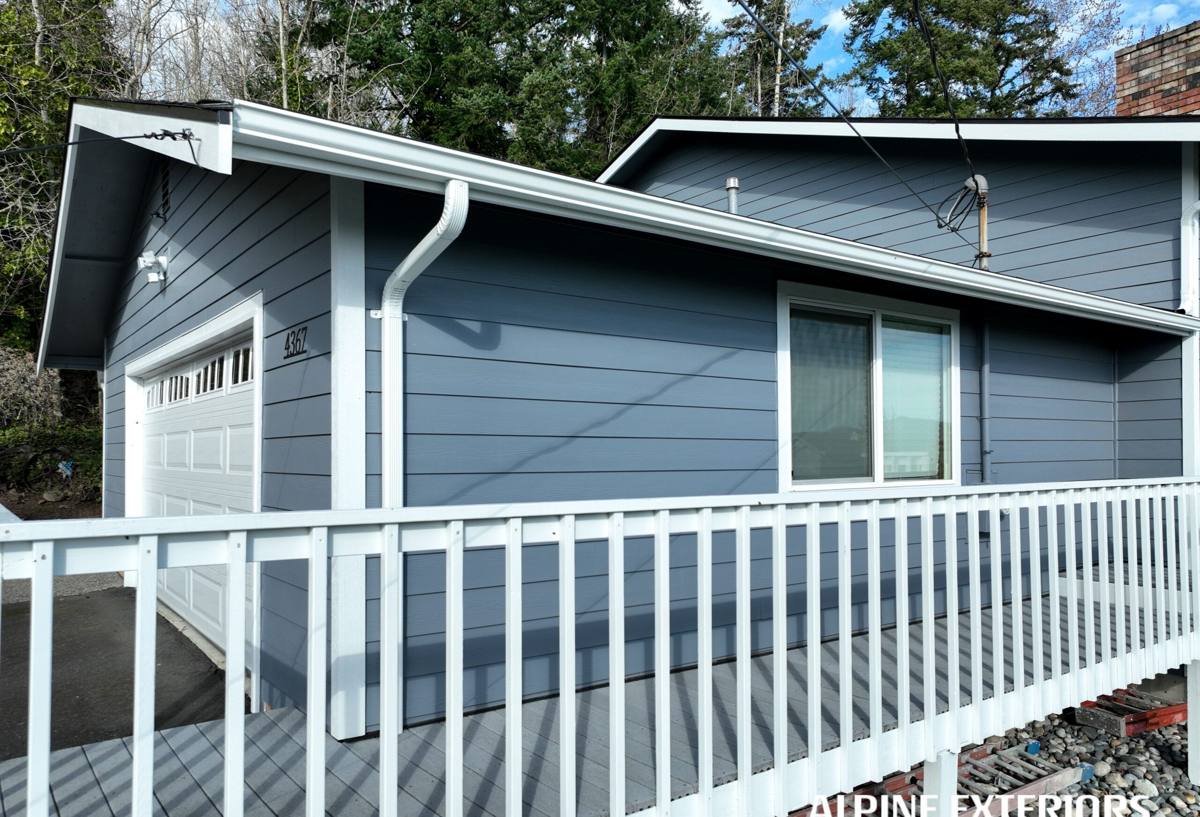
Signs Your Silver Beach Roof Needs a Repair
Most roof problems don't show up as a dramatic leak in the ceiling. They show up as small warning signs first. Catching them early is what keeps a repair a repair, instead of turning it into a replacement.
- Granules collecting in gutters or at the base of downspouts
- Shingles that look curled, cracked, or lifted at the edges
- Dark streaking or thick moss growth, especially on north-facing slopes and in shaded valleys
- Flashing around chimneys, vents, or skylights that looks rusted, loose, or separated from the roof surface
- Water stains on interior ceilings or in the attic, even faint ones
- Daylight visible through the roof deck when viewed from inside the attic
- Sagging sections along the roofline or in valleys
- Debris buildup in valleys that holds moisture against the shingles
If you're seeing one or two of these, you likely have a localized problem that a repair can fix. If you're seeing several at once, or the roof is past 20 years old, it's worth getting an honest look before deciding which direction to go.
What a Correct Roof Repair Actually Involves
A roof repair done right isn't just swapping out a few visibly damaged shingles. It means understanding why that section failed in the first place, so the same spot doesn't leak again in a year.
Flashing First
A large share of the leaks we find in this area trace back to flashing, not shingles. Flashing around chimneys, dormers, skylights, and roof-to-wall transitions takes the brunt of wind-driven rain. When it corrodes, separates, or was installed with the laps running the wrong direction, water gets behind it no matter how good the shingles are. Any repair we do addresses the flashing itself, not just the shingles around it.
Underlayment and Decking
Once shingles are pulled back, we check the underlayment and the roof deck underneath. Damp, delaminating decking or degraded underlayment is common in shaded, moisture-heavy spots and needs to be addressed before new shingles go back down — otherwise you're covering up the actual problem.
Moss and Algae Removal
Repair work in this neighborhood almost always includes dealing with existing moss and algae growth. That means careful removal — not pressure washing, which can drive water under shingles and strip away granules — followed by treatment to slow regrowth in the areas most prone to it.
Ventilation Check
Poor attic ventilation traps moisture against the underside of the roof deck, which shortens the life of everything above it. A repair is a good opportunity to check that intake and exhaust venting are actually working together, not fighting each other.
Repair or Replace? How We Help You Decide
Not every roof problem calls for a full replacement, and not every leak can be permanently fixed with a patch. We walk you through the honest tradeoffs rather than defaulting to whichever job is bigger.
| Factor | Leans Toward Repair | Leans Toward Replacement |
|---|---|---|
| Roof age | Under 15 years | Nearing or past manufacturer's expected lifespan |
| Extent of damage | Isolated to one or two areas | Widespread across multiple slopes |
| Leak history | First occurrence or single known cause | Recurring leaks in different spots |
| Decking condition | Solid, dry decking | Soft, rotted, or repeatedly wet decking |
| Shingle granule loss | Localized | Widespread, roof surface looks bare in patches |
| Cost outlook | Repair cost is a fraction of replacement | Repair costs are stacking up over multiple visits |
Many isolated repairs — a section of damaged flashing, a handful of shingles, a resealed vent boot — run from a few hundred dollars to around a couple thousand, depending on access, pitch, and how much needs to come apart to do the job right. Anything beyond that broad range depends entirely on what we find once we're up there, which is why we give you a real number after inspection, not a guess over the phone.
How Our Repair Process Works
1. Inspection
We get on the roof, not just in the yard looking up. We check the problem area, but also the flashing, valleys, and any spots that tend to hold moisture, so nothing gets missed.
2. A Straight Answer and a Written Estimate
You get a clear explanation of what's actually wrong, what it takes to fix it, and a written estimate before any work starts. If a repair isn't the right call, we'll tell you that too.
3. The Repair Itself
We match materials as closely as possible to what's already on your roof, correct the underlying cause (flashing, ventilation, decking) rather than just covering the symptom, and clean up thoroughly — including gutters and downspouts if debris was part of the problem.
4. Follow-Up
We tell you what to watch for afterward and what routine maintenance — gutter clearing, moss treatment — will keep the repaired area, and the rest of the roof, in good shape going forward.
Materials: What We Use and Why
Most repairs match the existing roof, since replacing an entire roof isn't usually necessary just to fix a section. A few material notes worth knowing:
Asphalt composition shingles are the most common roofing material in this area and generally the easiest to repair section-by-section, provided we can source a reasonably close match.
Cedar shake or shingle roofs, still found on some older homes here, need repair work from someone experienced with the material — cedar reacts differently to moisture and moss than asphalt does, and improper repair techniques can trap water against the wood.
Metal roofing repairs are almost always about fastener and seam integrity rather than the panels themselves; in a salt-air environment, fastener corrosion is usually the first thing to check.
We're upfront when a particular product or installation approach isn't something we recommend for this climate. That's not a knock on any manufacturer — it's about maintenance burden, how a material handles sustained moisture, and how forgiving it is of the kind of wind-driven rain this area gets. We'll walk you through the honest tradeoffs rather than pushing whatever's easiest for us to install.
Moss, Algae, and the Long Rainy Season
Whatcom County's moss season runs long — realistically, much of the fall through spring stretch offers the damp, shaded conditions moss needs. A repair addresses existing growth, but keeping it from coming back is an ongoing job, not a one-time fix.
A few habits go a long way between service visits:
- Keep overhanging branches trimmed back so roof sections get more light and air movement
- Clear gutters and valleys before the fall rains set in, and again mid-winter if debris builds up
- Have moss-prone areas treated proactively rather than waiting for visible growth to spread
- Watch north-facing and shaded slopes most closely — they hold moisture longest
Why a Local Crew Matters for a Repair Like This
A roofer who already works in Silver Beach and the surrounding Bellingham neighborhoods has a real advantage over someone unfamiliar with the area: they've already seen how the local climate treats roofs over time, which flashing details tend to fail first, and which materials hold up versus which ones struggle. That's not marketing — it's the difference between a repair based on general assumptions and one based on what actually happens to roofs here.
It also means faster response when weather turns and a small leak needs attention before the next storm rolls through, and a crew that's still around the following year if you have a question about how the repair is holding up.
Get an Honest Look at Your Roof
If you're dealing with a leak, visible moss, or just want a second opinion before a small problem gets bigger, we're glad to take a look. The estimate is free, there's no pressure to move forward, and you'll get a straight answer about whether a repair makes sense — use the form below to get started.