 Bellingham
 Siding Built for Silver Beach's Conditions
Silver Beach sits in one of Bellingham's shadier, more moisture-heavy pockets — tree cover along the Lake Whatcom hillside keeps siding damp longer after a storm than it would stay in a more open, sun-exposed part of town. Add in Whatcom County's long wet season, the salt-tinged air that moves through the region off the Salish Sea, and a moss season that can run most of the year in shaded spots, and you've got a combination that's hard on the wrong siding material and hard on a sloppy installation of even the right one. Homes here don't just need siding that looks good going on. They need a system and an install method that can shed water fast, resist the kind of soft rot that shows up in shaded siding, and hold paint and caulk lines through repeated freeze-thaw and wet-dry cycling.
This page covers what we look at when we install siding specifically in Silver Beach — not siding installation in general, but the details that matter for homes in this microclimate.
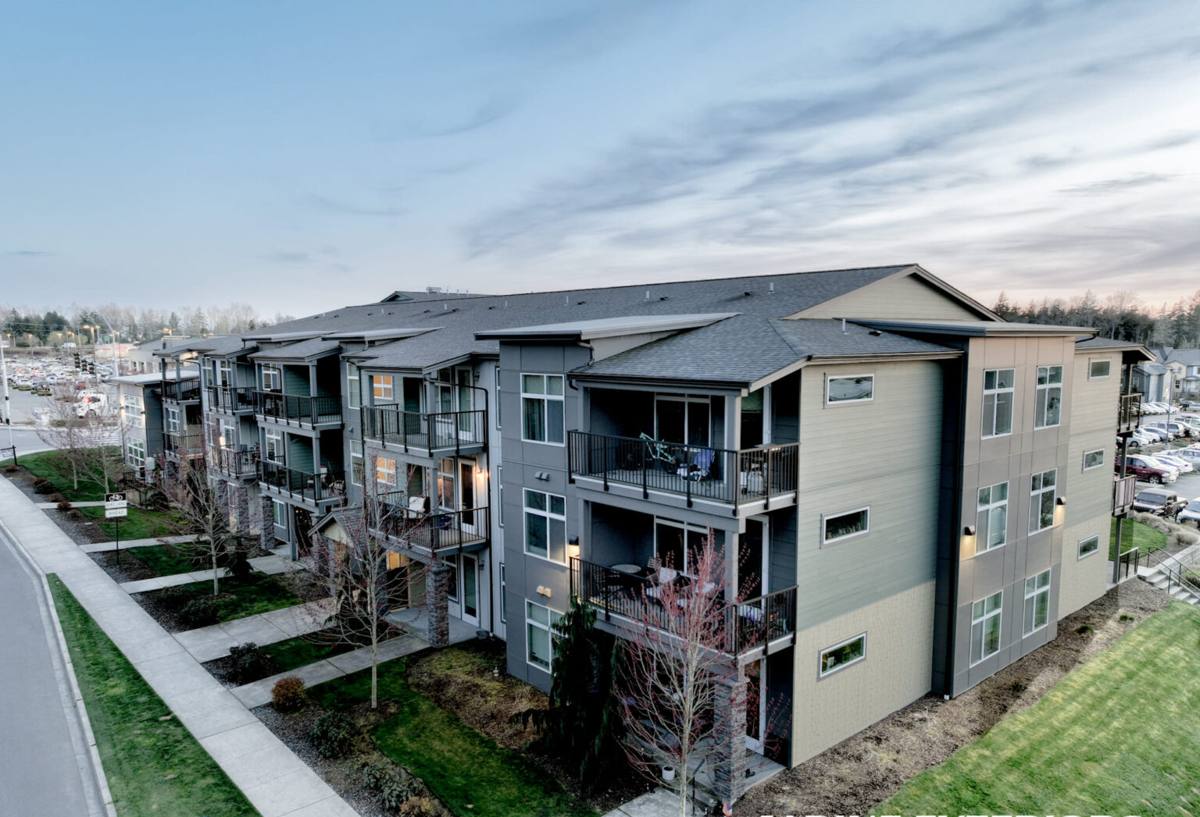
Why Silver Beach's Microclimate Matters for Siding
Shade and Slow Drying
Tree cover is a defining feature of this neighborhood, and it cuts both ways. It's part of what makes the area pleasant to live in, but it also means siding on shaded walls and under overhangs can stay damp for days after a rain event instead of drying out in a few hours like it would on a south-facing wall in full sun. Any material or seam detail that's marginal on moisture handling gets exposed here faster than it would elsewhere in Bellingham.
Moss and Organic Growth
Where shade, moisture, and still air combine, moss and algae find a foothold — first on roofs and fences, then working down onto siding, especially at the bottom courses near grade and anywhere water sheets down a wall without shedding cleanly. Left alone, moss holds moisture directly against the siding surface, which accelerates whatever the underlying material is already vulnerable to.
Driving Rain and Salt Air
Whatcom County's weather doesn't just bring steady drizzle — it also brings wind-driven rain that gets pushed sideways into wall assemblies, testing flashing and caulk joints in ways a straight-down rain never does. The region's proximity to salt water adds a corrosive element to the mix as well, which is part of why fastener choice and trim material matter as much as the siding panel itself.
What a Correct Siding Installation Involves Here
A good siding job in Silver Beach isn't just panels nailed to the wall. It's a system, and every layer has to do its job:
- Water-resistive barrier: A continuous weather-resistant barrier behind the siding, lapped correctly top-to-bottom so water is always directed outward and down, never trapped.
- Flashing at every penetration: Windows, doors, hose bibs, light fixtures, and vents all need proper flashing so water can't work its way behind the siding at these interruption points.
- Rainscreen or drainage gap where called for: A small air gap behind the siding lets any moisture that does get past the outer layer drain and dry instead of sitting against the sheathing — especially valuable on shaded, slow-drying walls.
- Correct fastening: Proper nail or screw type, spacing, and depth. Overdriven fasteners crack fiber cement and create entry points for water; underdriven ones leave panels loose and prone to movement.
- Clearance from grade and hard surfaces: Siding needs a minimum gap above soil, patios, and decking so splash-back and standing moisture don't wick into the bottom courses — a common failure point on older homes in wooded settings.
- Caulking only where it belongs: Modern siding systems are designed to shed water mechanically at laps and joints. Caulk is used at specific transitions, not as a substitute for correct flashing and lapping.
Why We Install James Hardie — and Only James Hardie
We standardized on James Hardie fiber cement siding and don't install vinyl, LP SmartSide, Cemplank, Allura, or bare wood siding like primed spruce or cedar. That's a deliberate call, not a default. Fiber cement is non-combustible, dimensionally stable across wet and dry cycles, and — critical in a shaded, moss-prone neighborhood like Silver Beach — it doesn't feed rot the way wood-based products can if a seam is compromised. James Hardie's HZ5 product line is engineered specifically for wetter, colder Pacific Northwest climates, and their ColorPlus factory finish holds color and resists the chalking and fading that field-applied paint jobs are prone to over time — which matters on shaded walls where mildew and grime already show up faster.
We're not going to tell you every other product on the market is junk — vinyl is inexpensive and easy to source, and engineered wood siding has real fans. But for what this climate does to a wall assembly over 20-plus years, we've made our call: Hardie fiber cement, installed correctly, is what we put on homes.
How Hardie Compares to Other Common Siding Choices
| Factor | James Hardie Fiber Cement | Vinyl | Wood / Engineered Wood |
|---|---|---|---|
| Moisture behavior | Dimensionally stable, resists swelling and warping | Doesn't absorb water but can warp with heat, gaps at seams trap moisture behind panel | Absorbs moisture; vulnerable to rot if coating fails or seams open |
| Moss/algae resistance | Factory finish resists staining; surface doesn't feed organic growth | Can stain and discolor; surface can host algae in shaded areas | Organic material; more susceptible to moss and fungal growth when damp |
| Fire resistance | Non-combustible | Combustible, can melt/deform near heat sources | Combustible |
| Finish longevity | Factory ColorPlus finish, long repaint interval | Color molded in but can fade/chalk; not repaintable easily | Needs regular repainting/resealing, especially in shade |
| Typical lifespan | Decades when installed to spec | Decades but seams and fasteners degrade over time | Shorter without consistent maintenance |
Our Process for Silver Beach Projects
1. On-Site Assessment
We walk the property and look specifically at shaded elevations, areas near mature trees, grade clearance, and any spots already showing moss or soft siding. This tells us where the current siding failed (if it did) and what details need extra attention on the new install.
2. Tear-Off and Substrate Check
Once old siding is off, we check the sheathing underneath for hidden rot or moisture damage — common on shaded walls where a failure can go unnoticed for years under intact-looking siding. Any compromised sheathing gets addressed before anything new goes up.
3. Weather Barrier and Flashing
We install a continuous water-resistive barrier and flash every window, door, and penetration before the first piece of siding goes on. This is the layer that actually keeps water out long-term — the siding itself is the second line of defense, not the only one.
4. Hardie Installation to Spec
Panels, fasteners, and gaps are installed to James Hardie's published installation requirements — correct nailing pattern, proper clearances, and factory-finish touch-up where needed to preserve the warranty.
5. Final Walkthrough
We walk the finished job with the homeowner, checking trim lines, caulk joints, and clearances before calling it done.
Why Local Experience Matters for This Neighborhood
A crew that's worked in Silver Beach before already knows to check grade clearance near sloped, tree-lined lots, to expect slower drying times on north- and east-facing walls, and to plan fastening and trim choices around the area's moisture and salt-air exposure. That's not something you get from a general installation checklist — it comes from having done the work on homes with the same tree cover, the same drainage patterns, and the same year-round dampness. Hiring a crew that already understands the neighborhood means fewer surprises mid-project and a install that's suited to how this specific pocket of Bellingham actually behaves, not just how siding behaves in a textbook.
Signs Your Silver Beach Home May Need New Siding
- Moss or dark staining that keeps returning shortly after cleaning
- Soft or spongy spots when you press on the siding, especially near the bottom courses
- Visible gaps, cracking, or warping at seams and corners
- Peeling paint or a chalky finish that rubs off on your hand
- Rising energy bills that suggest the wall assembly isn't performing the way it should
- Siding that's original to a home built more than 20-25 years ago and hasn't been inspected recently
What Influences Cost
| Factor | Why It Matters |
|---|---|
| Home size and wall complexity | More corners, dormers, and cutouts mean more labor and material waste |
| Condition of existing sheathing | Hidden rot repair adds cost but is essential to a lasting job |
| Siding profile and trim details | Lap width, trim style, and accent choices affect material cost |
| Access and site conditions | Sloped lots and tree-heavy sites near Lake Whatcom can affect staging and labor time |
| Tear-off vs. overlay | Full removal is more labor but lets us properly inspect and treat the substrate underneath |
We don't quote a price without seeing the home — every one of these factors changes the number, and giving a number without an on-site look would just be a guess.
If you're noticing moss buildup, soft spots, or aging siding on your Silver Beach home, we're happy to come take a look. The estimate is free, there's no pressure, and you'll get a straight answer about what your siding actually needs.