 Bellingham
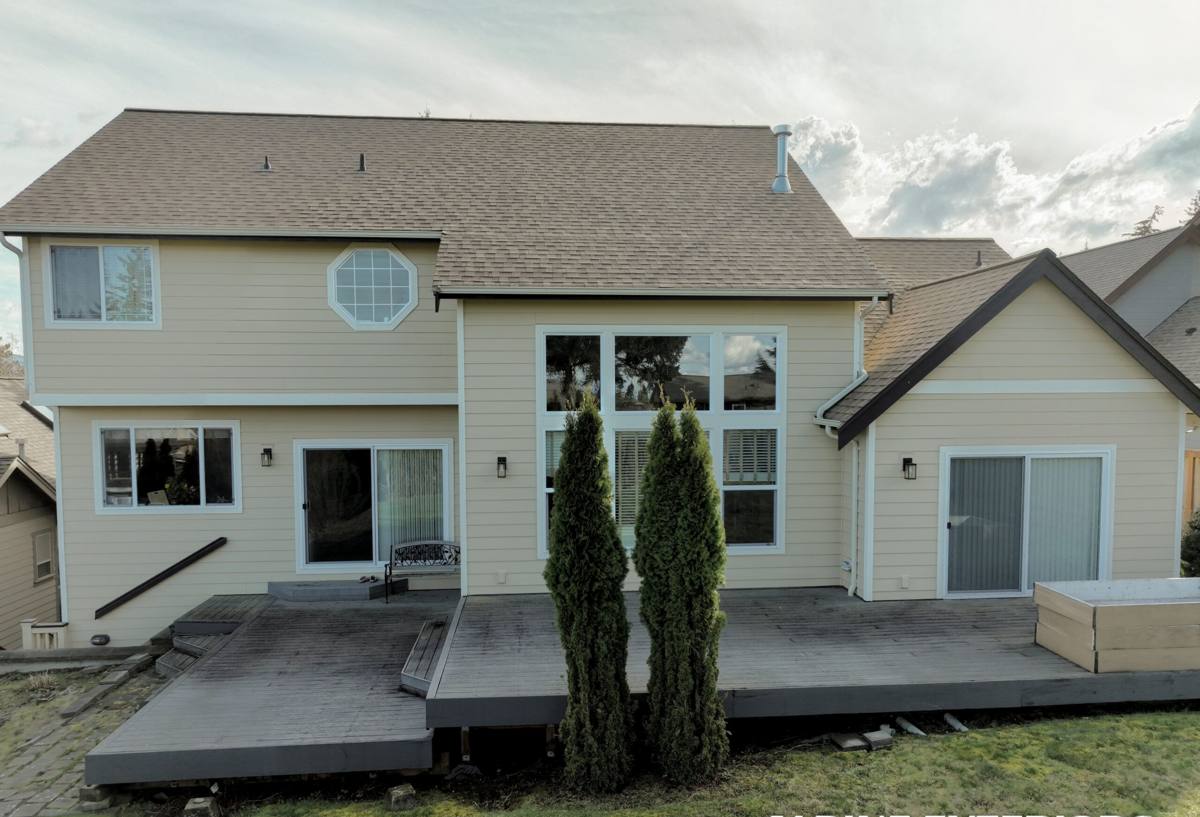
 Decks on South Hill Take a Different Kind of Beating
South Hill sits up on the slope above downtown Bellingham, close enough to Bellingham Bay that salt-laden air rides in on the wind, and high enough that the west-facing storms coming off the water hit hard and sideways. Add in the tree canopy that shades a lot of South Hill's older lots, and you've got a deck environment that's tougher on wood and fasteners than a flat, open yard would be. Homeowners here often ask why their deck looks tired years before a friend's deck in a drier part of Whatcom County. The short answer is exposure: more moisture sitting on the surface, more shade slowing the dry-out, and more salt in the air working on metal fasteners and finishes.
A deck replacement done right for South Hill isn't just a rebuild — it's a rebuild that accounts for those specific conditions from the framing up. That's the difference between a deck that needs attention again in five years and one that holds up for decades.
Why South Hill's Climate Is Hard on Decks Specifically
Salt Air and Metal Fatigue
Fasteners, joist hangers, and structural screws are usually the first thing to fail on an older deck near the bay. Standard hot-dip galvanized hardware can hold up for a while, but in a salt-air environment it corrodes faster than it would inland. Once fasteners weaken, the whole structure is only as strong as its worst connection — even if the boards on top still look fine.
Driving Rain and Water Intrusion
Bellingham's rain doesn't just fall — a lot of it comes in on the wind, driving under railings, into ledger connections, and along the house band board where the deck ties into the structure. That's usually where rot starts, hidden behind the decking where you can't see it until a board goes soft or a post feels spongy.
The Long Moss Season
Shaded, damp decks in this part of Whatcom County can grow moss nearly year-round, not just in the dead of winter. Moss holds moisture against the wood surface, keeps boards from drying between rains, and turns decking slick — a real fall hazard on stairs and ramps. A deck that's constantly damp underfoot ages faster than one that gets to dry out between storms.
Signs a South Hill Deck Needs Replacement, Not Another Repair
Not every tired-looking deck needs to come out. But there's a point where patching individual boards stops making sense and a full replacement is the more honest recommendation. Watch for:
- Soft or spongy spots in the decking, especially near the house or around posts
- Visible rot or rust at joist hangers, ledger bolts, or post bases
- A ledger board pulling away from the house, even slightly
- Railings that flex or wiggle under normal pressure
- Persistent moss or algae that keeps returning within weeks of cleaning
- A deck older than 15-20 years that's never had the substructure inspected
- Multiple boards cupping, splitting, or fastener heads popping up
If you're only seeing one or two of these, a repair might genuinely be enough. If you're seeing several at once, especially anything involving the ledger or framing, that's usually a sign the structure has been absorbing water for a while and a full replacement is the more responsible path.
What a Correct Deck Replacement Actually Involves
A deck is only as good as what's underneath the decking boards. For South Hill's conditions, we pay particular attention to:
Ledger Flashing
The ledger board — where the deck attaches to the house — is the single most common source of hidden rot. Correct flashing, installed so water sheds away from the house rather than behind the ledger, is non-negotiable on a rebuild in a climate this wet.
Footings and Post Bases
Footings need to sit below frost depth and bear on undisturbed or properly compacted soil, which matters more on South Hill's sloped lots than on flat ground. Post bases should keep the post end grain lifted off concrete so it isn't sitting in standing water after every storm.
Fastener and Hardware Grade
Given the salt air, we don't use bargain-grade fasteners. Stainless steel or high-grade coated structural screws and connectors cost more upfront but are the difference between hardware that lasts the life of the deck and hardware that's corroding again in under a decade.
Joist Protection
A protective tape or membrane over the top of the joists keeps water from soaking into end grain and screw holes — one of the cheapest upgrades in a rebuild and one of the most effective against the kind of chronic dampness South Hill decks deal with.
Airflow Underneath
On shaded lots, we look at whether skirting, plantings, or grading are choking off airflow under the deck. A deck that can't breathe underneath stays damp longer after every rain, which feeds the moss and rot cycle.
Choosing the Right Decking Material for This Environment
There's no single "best" decking material — it depends on how much maintenance you want to do, your budget, and how much shade and moisture the deck sits in. Here's how the common options compare for a South Hill setting specifically:
| Material | How it handles moss/moisture | Maintenance | Typical lifespan |
|---|---|---|---|
| Pressure-treated wood | Needs regular cleaning and sealing to resist moss and rot in shaded areas | Annual cleaning, re-sealing every 1-3 years | 10-15 years with upkeep |
| Cedar | Naturally rot-resistant but still needs finish maintenance in constant damp/shade | Cleaning and finish renewal every 1-2 years | 15-20 years with upkeep |
| Capped composite | Resists moisture absorption well; still needs cleaning to keep moss from clinging to the surface | Periodic washing, no sealing or staining | 25-30 years |
| PVC decking | Doesn't absorb water, so rot isn't a concern; surface moss wipes off more easily than on wood | Occasional washing | 25-30+ years |
For heavily shaded, moss-prone areas of South Hill, we're generally steering clients toward capped composite or PVC for the decking surface — not because wood is a bad product, but because the maintenance burden of keeping real wood moss-free under constant tree shade is significant, and most homeowners underestimate it until they're three seasons in. The framing underneath, though, is almost always pressure-treated lumber regardless of what decking goes on top — that's a structural decision, not an aesthetic one.
Our Deck Replacement Process
We keep the process straightforward and communicate at each stage so there are no surprises partway through:
- On-site assessment — We inspect the existing deck, ledger, footings, and framing to confirm what's driving the need for replacement and check for any hidden damage.
- Plan and material selection — We walk through decking material, railing style, and layout options based on your budget and how the space is used.
- Permitting — Deck replacements in the City of Bellingham typically require a permit, especially for structural rebuilds and railing height changes. We handle that paperwork as part of the job.
- Demolition — Careful removal of the old structure, checking the ledger connection and any framing that's tied into the house.
- Rebuild — Footings, framing, flashing, and hardware installed to the standards above, built for this specific climate rather than a generic spec.
- Decking and railing installation — Final surface and railings installed and inspected for level, fastening, and finish.
- Final walkthrough — We go over the finished deck with you, including basic care guidance for whatever material you chose.
Permits and Code Considerations for South Hill
Because South Hill is inside Bellingham city limits, deck replacements generally fall under the City's building permit requirements once you're doing structural work — not just swapping boards on an otherwise sound frame. Guardrail height, baluster spacing, and stair requirements are all governed by code, and older decks built decades ago often don't meet current standards. Part of a proper replacement is bringing those elements up to current code, not just replicating what was there before. On sloped South Hill lots, footing depth and placement can also be affected by the grade, which is something we account for during the assessment rather than assuming a flat-lot standard applies.
Why It Matters to Hire a Crew That Already Works South Hill
South Hill's lots aren't all the same as a flat suburban yard. Sloped access, mature trees close to the build area, retaining walls, and narrower driveways all affect how a deck replacement gets staged and executed. A crew that's already worked in the neighborhood knows to plan for that instead of running into it mid-project. There's also a practical familiarity with the City of Bellingham's permitting process specific to this area, and an understanding of what building for salt air and heavy tree shade actually requires — not as a generic climate note, but as a set of material and hardware decisions made from experience.
Just as important is honesty about scope. Not every deck on South Hill needs a full teardown — sometimes framing is sound and only the decking surface has failed. A contractor who knows the area should be able to tell you clearly which situation you're in, rather than defaulting to the more expensive answer.
Keeping a New Deck in Good Shape
Whatever material you choose, a few habits go a long way toward protecting the investment in this climate:
- Sweep leaves and debris off the deck regularly, especially in fall — trapped debris holds moisture and feeds moss
- Wash the surface at least once or twice a year to interrupt moss and algae growth before it takes hold
- Keep gutters and downspouts clear so runoff isn't dumping extra water onto or near the deck
- Trim back overhanging branches where possible to let more light and air reach the surface
- Check railings and stair connections annually for any looseness
- For wood decking, stay on top of the resealing schedule rather than letting it lapse
If your South Hill deck is showing its age, or you just want a straight opinion on whether repair or replacement makes more sense for your situation, we're happy to take a look. Fill out the form below for a free, no-pressure estimate.