 Bellingham
 Storm Damage Roof Repair for Lynden Homes
Lynden sits far enough inland to avoid the worst of coastal wind, but it still takes a beating from the same weather systems that roll through the rest of Whatcom County. Winter windstorms off the Strait of Georgia, long stretches of driving rain, and a moss season that never really ends all put steady pressure on local roofs. Storm damage here rarely looks like a movie disaster — it's a lifted shingle tab, a cracked flashing seam, a soft spot in the decking that started as a small leak nobody noticed for months. Left alone, that's exactly the kind of damage that turns into a much bigger and more expensive repair.
This page covers what storm damage roof repair actually involves for homes in and around Lynden, what our process looks like, and why local experience matters more than most homeowners realize when it comes to getting the repair done right the first time.
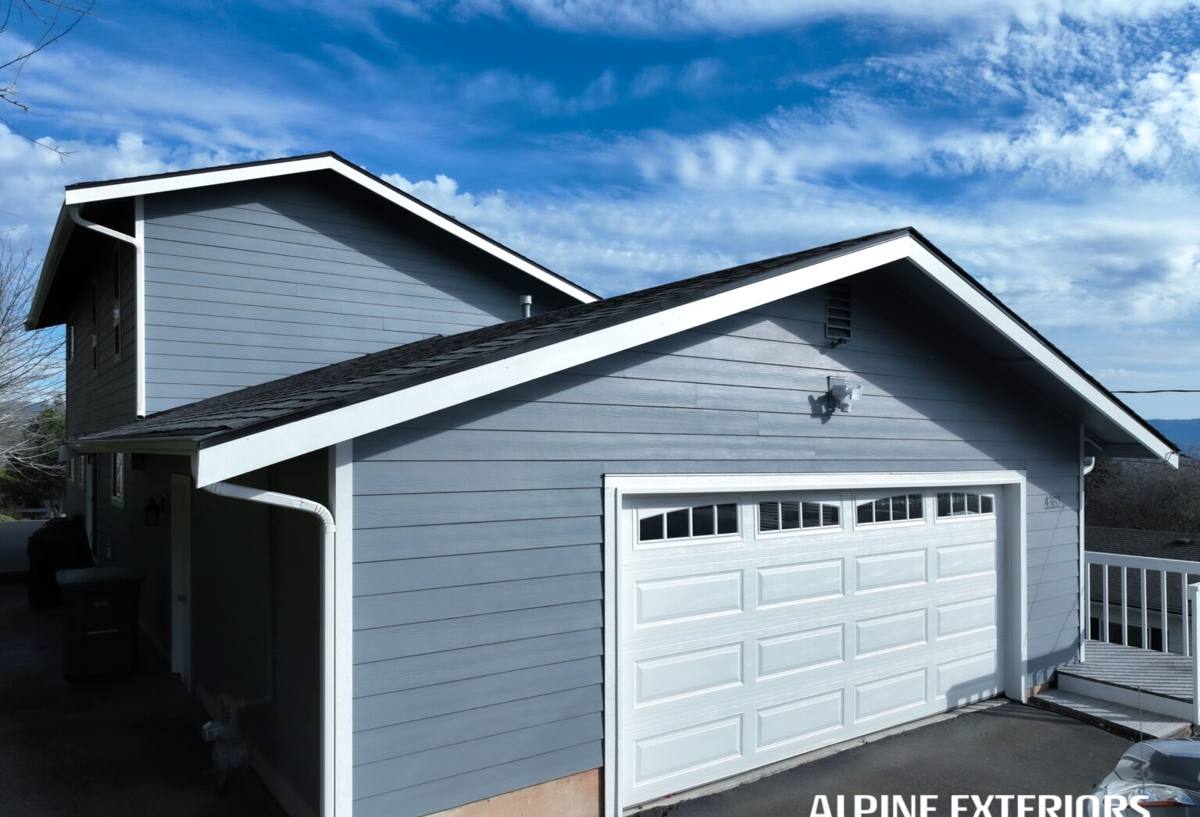
Why Lynden Roofs Take This Kind of Damage
Every roofing region has its own combination of stressors, and Whatcom County's is a specific mix that doesn't behave like the wildfire-and-hail damage you'd see east of the mountains, or the hurricane damage you'd see in the Southeast. Around Lynden, three factors do most of the work:
Salt Air and Moisture
Even well inland from Bellingham Bay, marine air carries moisture that keeps roofing materials damp longer after a storm than drier climates would. That extended moisture exposure accelerates corrosion on exposed metal fasteners, flashing, and vent boots — the small components that are usually the first thing to fail during a windstorm.
Driving Rain
Wind-driven rain doesn't just fall on a roof, it gets pushed sideways and up under shingle tabs, around chimney flashing, and into any gap that's even slightly open. A roof that would shed a straight-down rain just fine can still leak during a storm because the water is coming in at an angle the roofing system wasn't designed to handle if a seal has failed.
A Long Moss Season
Whatcom County's mild, wet climate means moss and algae growth is active for most of the year, not just a few weeks. Moss holds moisture against the roof surface, works into shingle edges and granule layers, and weakens materials over time — so when a windstorm hits, roofs with moss buildup are simply more vulnerable to damage than a clean, well-maintained roof would be.
What Counts as Storm Damage
Homeowners often picture storm damage as something dramatic — a tree limb through the roof, missing shingles scattered across the yard. Sometimes that's exactly what happens. But most of the storm-related repair calls we get are less obvious:
- Shingle tabs lifted or creased by wind, even if they're still mostly in place
- Flashing pulled loose or bent around chimneys, skylights, and roof-to-wall transitions
- Vent boots cracked or torn from wind flex, allowing water in around plumbing and exhaust vents
- Fascia and gutter damage from wind-loaded debris, which can pull gutters away from the roofline
- Granule loss from wind-driven debris or hail, which shows up as bald patches on the shingle surface
- Soft or spongy decking under a section of roof, usually a sign water has been getting in longer than the storm that revealed it
The tricky part is that a lot of this damage doesn't cause a visible leak right away. Water can travel along rafters or decking before it shows up as a stain on a ceiling, which means by the time you see interior damage, the roof problem has usually been there for a while.
What a Correct Repair Actually Involves
A storm damage repair isn't just replacing whatever's visibly broken. Done correctly, it means finding and fixing the actual point of failure, checking the surrounding area for related damage, and confirming the repair will hold up the next time weather like this comes through — not just patching what's easy to see from the ground.
Inspection First
Every repair starts with a full inspection of the affected area and the roof around it, including the attic side where accessible. Wind and water damage rarely stay contained to one shingle or one flashing point, so we look at the whole system before deciding on a scope of work.
Matching Materials, Not Just Covering Gaps
Repairs should use materials that match the existing roof in type, weight, and where possible, color and manufacturer. A mismatched patch might stop a leak temporarily, but it can create a weak point that fails again during the next storm, and it stands out visually in a way most homeowners don't want.
Fixing the Cause, Not Just the Symptom
If shingles lifted because of wind, we look at whether the sealant strip failed, whether nailing pattern was off, or whether the shingles were already brittle from age or moss damage before the storm. A repair that doesn't account for the underlying cause is likely to need repeating.
Our Storm Damage Repair Process
- Initial contact and scheduling. We get basic details about the damage and timeline, and prioritize active leaks.
- On-site inspection. We assess the roof, document what we find, and identify every point of damage — not just the one you called about.
- Written scope and estimate. You get a clear explanation of what needs repair, why, and what it will cost before any work starts.
- Repair work. We complete the repair using materials matched to your existing roof, following manufacturer installation standards.
- Final check. We confirm the repair area is sealed and weathertight, and clean up debris from the work area before we leave.
If your roof has a manufacturer warranty still in effect, we take care to complete repairs in a way that doesn't void it — using compatible materials and following the installation methods that warranty coverage typically requires.
Repair or Replace? What Actually Drives the Decision
Not every storm-damaged roof needs a full replacement, and not every roof that "just needs a patch" is actually a good candidate for one. The right call depends on a few practical factors:
| Factor | Favors Repair | Favors Replacement |
|---|---|---|
| Roof age | Under roughly 12-15 years, especially if well maintained | Near or past the material's expected service life |
| Extent of damage | Isolated to one section or a handful of components | Widespread across multiple roof planes |
| Moss/algae history | Minimal buildup, roof otherwise sound | Heavy, long-term moss damage weakening shingles broadly |
| Decking condition | Solid, no soft spots found during inspection | Soft or rotted decking discovered under damaged areas |
| Underlying material condition | Shingles still flexible, granules intact elsewhere | Brittle, cracking, or balding shingles across the roof |
We'll always give you our honest read on which side of that table your roof falls on. If a repair is the right call, that's what we'll recommend — a full replacement isn't a better outcome for you just because it's a bigger job for us.
Insurance Claims: What to Know
Many storm damage repairs are covered under homeowners insurance policies, but coverage details vary by policy and insurer. We're not your insurance adjuster and can't make coverage decisions, but we can provide clear documentation of the damage — photos, a written scope, and an estimate — that you can submit as part of a claim. If you're planning to file a claim, it's worth calling your insurer before or shortly after we inspect, since some policies have notice requirements tied to the storm date.
Why It Matters to Hire a Crew That Already Works Lynden
Storm damage repair isn't a specialty product line — it's a skill built from doing the work repeatedly in the same climate. A crew that regularly works roofs across Whatcom County has already seen how wind tends to hit certain roof orientations, how moss builds up differently on north-facing versus south-facing slopes, and which flashing details tend to fail first in this particular combination of salt air, rain, and temperature swings. That's not something you get from a crew that mostly works dry climates and happens to pick up a Lynden job after a big storm.
Local experience also means faster response when storms create a backlog of calls, familiarity with the material suppliers who stock what your roof needs, and a crew that's still around months or years later if a repair needs a warranty follow-up — not a storm-chasing outfit that's moved on to the next region by the time a problem shows up.
After the Storm: A Homeowner's Checklist
If you suspect storm damage, here's what's worth doing before a professional inspection, and what's better left to a roofer:
- Do a visual check from the ground — binoculars work fine — looking for missing or lifted shingles, displaced flashing, or debris on the roof
- Check the attic (if accessible) for water stains, damp insulation, or daylight coming through the decking
- Note any interior ceiling stains, even faint ones, and when they first appeared
- Clear gutters and downspouts of storm debris so water can drain properly while you wait for repair
- Take photos of any visible exterior damage for your records and possible insurance use
- Avoid climbing onto the roof yourself — storm-damaged roofs can have weak spots that aren't visible from a walked surface
- Call for an inspection sooner rather than later — small storm damage left exposed to more rain gets worse fast
Get an Honest Look Before Small Damage Gets Bigger
If a recent storm has you wondering whether your roof took damage, or you've noticed a leak, missing shingles, or lifted flashing, it's worth having it looked at before the next round of Whatcom County rain finds its way in. We offer free, no-pressure estimates for storm damage repair in Lynden and the surrounding area — use the form below to get one scheduled.