 Bellingham
 Storm Damage Roof Repair for Puget Homes
Puget sits close enough to the water and open enough to weather that its roofs take a different kind of beating than roofs a few miles inland. Homes here deal with salt-laden air off the Sound, wind-driven rain that comes in sideways off winter storms, and a moss season that runs long and wet enough to do real damage if it's ignored. When a storm rolls through Whatcom County, the roofs in Puget are often among the first to show it — lifted shingle tabs, a strip of flashing peeled back at the ridge, or a slow leak that didn't exist the week before.
This page covers what storm damage roof repair actually involves for homes in this specific area — not a generic "we fix roofs" pitch, but the realities of repairing a roof that's exposed to Bellingham's coastal weather pattern year-round.
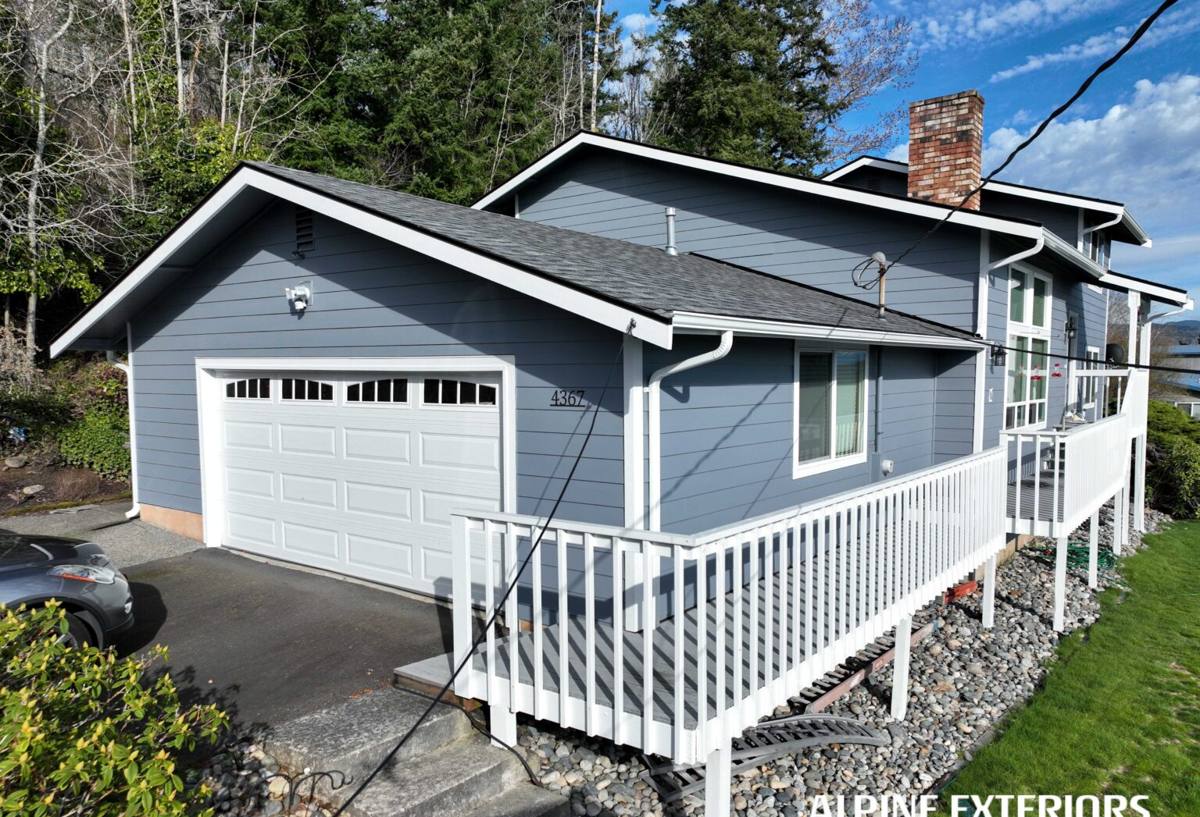
What Puget's Climate Does to a Roof
Three things drive most of the storm-related roof calls we get in this part of Bellingham:
Salt Air
Proximity to Bellingham Bay and the Sound means metal components — flashing, fasteners, vents, gutter hardware — corrode faster here than they would twenty miles inland. A fastener that's rusted through is a fastener that's no longer holding a shingle or a flashing seam down, which is exactly what a strong gust needs to start a problem.
Driving Rain
Puget's storms don't just drop rain, they push it. Wind-driven rain finds every gap in a roof system that gravity alone would never reach — under lifted shingle tabs, behind step flashing at chimneys and sidewalls, and into nail penetrations that have started to back out. A roof that would shed a calm rain without issue can leak badly in a sideways storm if the underlying details aren't sound.
Moss Season
Bellingham's wet season runs long, and moss doesn't need much encouragement to take hold on a north-facing slope or anywhere shade keeps a roof from drying out between rains. Moss holds moisture against the roofing material, works its way under shingle edges, and adds weight and organic debris that traps even more water. By the time it's visible from the ground, it's often already done some damage underneath.
None of these three factors is dramatic on its own. Together, over years, they're what separates a roof that ages gracefully from one that starts failing early — and they're why storm damage repair in Puget isn't just about patching what a single storm broke, but about fixing it in a way that holds up against what comes next.
Common Types of Storm Damage We See in Puget
Wind Damage
Lifted or missing shingle tabs, creased shingles that have lost their seal, and ridge cap that's come loose are the most common wind-related calls. Wind damage is often worse than it looks from the ground — a few missing shingles at the ridge can mean a much larger area has lost its wind seal and is vulnerable in the next storm even if it hasn't leaked yet.
Flashing and Penetration Failures
Flashing around chimneys, skylights, vent pipes, and sidewalls is where most storm leaks actually originate, even when the shingles themselves look fine. Salt air accelerates corrosion on these metal details, and once a seam opens up, wind-driven rain will find it.
Moss and Debris-Related Damage
Storms knock branches and needles onto roofs and into valleys, and when that debris lands on a roof that already has moss buildup, water backs up instead of draining. This is a slower kind of damage — it shows up as a soft spot or a stain on an interior ceiling weeks after the storm that started it, not right away.
Gutter and Edge Damage
Wind can pull gutters loose or dent them, and once a gutter isn't carrying water away properly, that water finds the roof edge and fascia instead — a secondary damage source that often gets missed if the inspection only looks at the roof field.
Signs Your Roof Needs Storm Damage Repair
Some storm damage is obvious. A lot of it isn't. After a significant wind or rain event, it's worth checking for:
- Shingle granules collecting in gutters or at downspout outlets
- Shingles that look creased, curled, or lifted at the edges
- Visible gaps in ridge cap or hip cap
- Flashing that looks bent, pulled away, or separated from the roof surface
- New moss growth or moss that's thicker than it was last season
- Water stains on interior ceilings, especially near chimneys or exterior walls
- Debris piled in valleys or against the base of the roof
- Gutters pulling away from the fascia or sagging between hangers
Any one of these on its own might be minor. Several together, especially after a storm, are worth a professional look before the next round of rain finds the weak spot.
Our Storm Damage Repair Process
1. Inspection
We walk the roof (not just look at it from the ground) and check the field, the ridge, all flashing points, valleys, and the gutter system. We're looking for both the damage that caused the immediate concern and any secondary issues — corroded fasteners, early moss growth, or aging underlayment — that could turn into the next call if left alone.
2. Temporary Protection, When Needed
If there's an active leak or exposed decking, we get the area protected first so the interior of the home isn't taking on more water while repair materials are sourced or scheduling is worked out. This isn't always necessary, but when it is, it's the priority over anything cosmetic.
3. Permanent Repair
Depending on what the inspection turns up, this might mean replacing a section of shingles, re-flashing a penetration or sidewall, resetting ridge cap, or addressing a gutter that's no longer doing its job. We match materials to what's already on the roof where possible, and we explain what we found and why we're recommending a given fix — not just a line item on an invoice.
4. Documentation
We take photos of the damage and the completed repair. If you're filing an insurance claim, this documentation is often the difference between a claim that moves smoothly and one that gets questioned.
Repair Options and Cost Factors
Every storm damage job is different, but the table below outlines the general factors that drive scope and cost for the repair types we see most often in Puget.
| Repair Type | Typical Scope | What Drives Cost |
|---|---|---|
| Localized shingle replacement | Small section, single slope | Shingle age/match availability, roof pitch and access |
| Flashing repair or replacement | Chimney, skylight, sidewall, or valley | Number of penetrations, corrosion extent, whether siding or masonry work is involved |
| Ridge or hip cap reset | Linear repair along ridge/hips | Length affected, fastener and underlayment condition |
| Moss and debris remediation | Full roof or affected slopes | Moss extent, whether treatment or removal plus treatment is needed |
| Gutter repair or resection | Affected run of gutter | Material match, fascia condition underneath |
We give a firm number after inspecting the actual damage — broad ranges quoted without seeing the roof aren't reliable for either side.
Insurance Claims and Storm Damage
Wind and storm damage is often covered under standard homeowner's policies, but coverage typically applies to sudden damage from a specific storm event, not gradual wear like long-term moss buildup or age-related granule loss. This distinction matters, because an adjuster will want to see that the damage matches the storm date and pattern.
Where we can help: a thorough inspection report with photos, a clear description of the damage mechanism (wind uplift versus long-term deterioration), and a repair estimate that an adjuster can review. We're not a public adjuster and we don't negotiate your claim for you, but documented, honest findings make that process go a lot smoother on your end.
Materials That Hold Up in This Climate
Not every roofing product performs the same way in a coastal, high-moisture climate like Bellingham's. For storm repair work in Puget, we favor:
- Corrosion-resistant flashing metals over standard galvanized where budget allows, given the salt air exposure this close to the water
- Self-adhering ice-and-water membrane at valleys, eaves, and penetrations — a detail that matters more here than in drier climates because of how much wind-driven rain the roof actually sees
- Algae- and moss-resistant shingle products on full or partial replacements, which reduce (not eliminate) how fast moss re-establishes on shaded slopes
- Stainless or coated fasteners in high-exposure areas, since standard fasteners are often the first thing to fail under salt air conditions
We don't push premium materials on every job — a lot of storm repairs genuinely only need a solid, correctly installed standard repair. But where the material choice affects how long the fix lasts in this specific climate, we say so upfront.
Preventing the Next Storm From Doing the Same Damage
A repair that only addresses what broke, without looking at why, tends to repeat itself. A few things that meaningfully cut down on repeat storm damage in Puget:
- Keeping gutters and valleys clear of needles and debris before the wet season starts
- Addressing moss while it's light growth, not after it's established and holding moisture
- Having flashing and fastener condition checked every couple of years, not just after damage shows up
- Trimming back branches that overhang the roof, which reduces both debris load and shade-driven moss growth
Why a Crew That Already Works Puget Matters
Storm damage repair isn't just a technical skill, it's a familiarity skill. A crew that regularly works this part of Bellingham knows what the local exposure to wind off the Sound typically does to a roof, recognizes moss patterns specific to shaded, north-facing slopes common in this area, and understands the permitting expectations that apply to roof work in the City of Bellingham and unincorporated Whatcom County. That local knowledge shows up in faster, more accurate inspections and repairs that account for what this specific climate will keep throwing at the roof, not just what happened in the last storm.
It also matters for response time. After a significant storm, roofs across the county need attention at once, and a crew already working in and around Puget can get to an active leak faster than one dispatching from farther away.
If a recent storm left you with damage — or you just want a roof checked before the next one hits — we're happy to take a look and give you a straight, no-pressure estimate. Use the form below to get started.