 Bellingham
 Building Decks for Sunnyland's Particular Climate
Sunnyland is a well-established, tree-shaded neighborhood in Bellingham, and homes here face a specific combination of conditions that decks in drier parts of the country never have to deal with. Whatcom County sits close enough to the water that salt-laden air is a real factor in how fast metal corrodes and finishes break down. Add in months of driving rain each fall and winter, plus a moss season that can stretch from late fall through spring under tree canopy, and you have an environment that is genuinely hard on outdoor structures. A deck that would hold up fine in a dry inland climate can show rot, staining, and hardware failure within a few years here if it wasn't built with these conditions in mind.
This page is about one thing: building and replacing custom decks for homes in Sunnyland, done the way this climate actually requires. Not a generic overview of deck building — the specific choices that matter for this neighborhood.
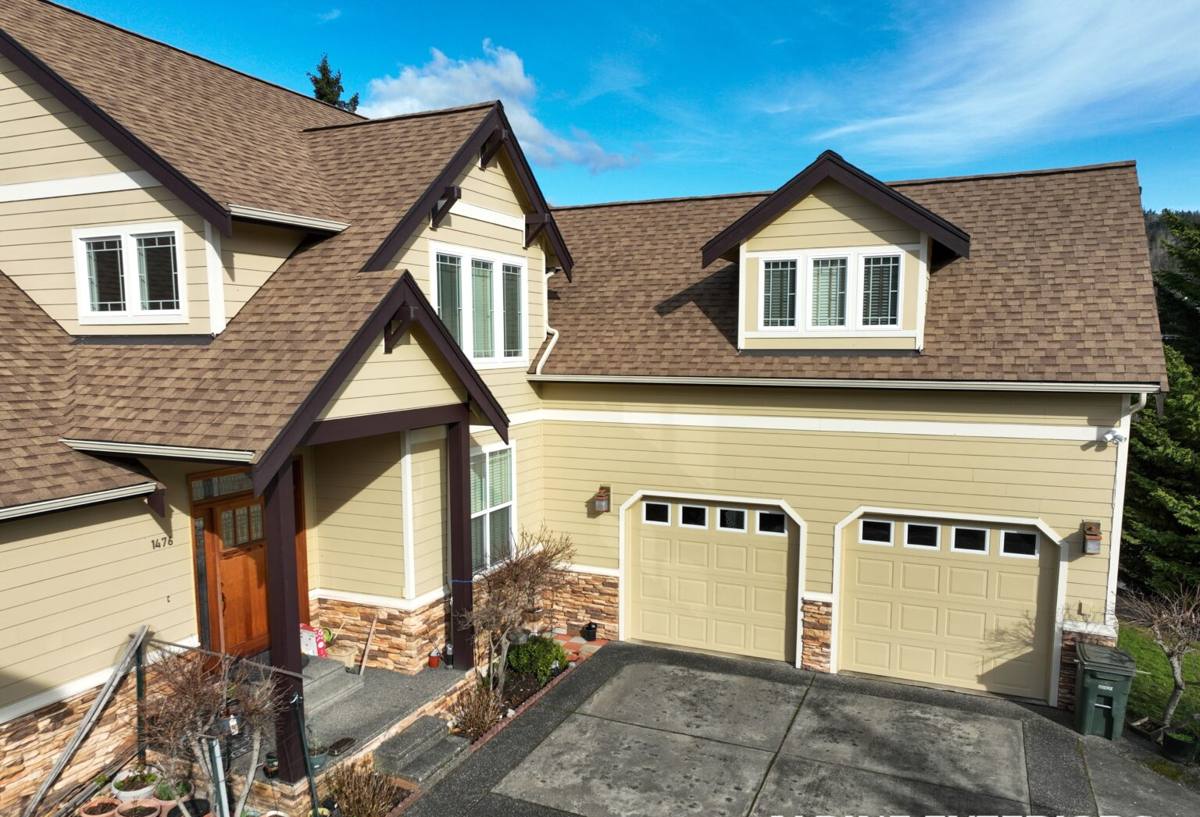
What "Custom" Should Mean for a Sunnyland Deck
Custom doesn't just mean a unique shape or a nice railing style. For us it means the deck is designed around your specific lot, not dropped in as a standard template.
Lot and Site Factors We Account For
- Slope and drainage patterns around the house, so the deck doesn't trap water against the foundation or create a low spot that never dries out
- Tree cover and shade patterns, which drive how much moss and algae growth you should expect and how the decking should be detailed to shed water
- Sun exposure on the areas you actually want to use, since a deck on the wrong side of the house in the Pacific Northwest often sits damp and shaded most of the year
- How the deck connects to existing doors, grade changes, and any structures already on the property
A custom design also means matching the deck's scale and style to the house itself, rather than building whatever is easiest. Older Sunnyland homes and newer infill construction don't always call for the same railing style, decking width, or stair layout.
Decking Materials: What Actually Holds Up Here
This is usually the biggest decision on any deck project, and it's where climate matters most. Every material has trade-offs — the honest answer is that the "best" choice depends on your budget, how much upkeep you're willing to do, and how much shade the deck gets.
| Material | Upfront Cost | Maintenance | How It Handles Our Wet, Shaded Conditions |
|---|---|---|---|
| Cedar | Moderate | Annual cleaning and re-sealing | Naturally rot-resistant but needs consistent upkeep or it grays and can host moss in shaded spots |
| Pressure-treated fir/pine | Lowest | Regular sealing, more frequent board replacement | Budget-friendly but the most prone to warping and moss growth if not maintained |
| Capped composite | Higher | Occasional washing, no sealing or staining | Very consistent performance in wet, shaded yards; resists moss better than wood but isn't moss-proof |
| Tropical hardwood (e.g. ipe) | Highest | Periodic oiling if you want to keep the color | Extremely dense and rot-resistant, performs well long-term but is heavier and less forgiving to install |
We don't push one material on every job. If a homeowner wants real wood and understands the maintenance commitment, we'll build it right. If low upkeep matters more, composite is usually the better fit for shaded Sunnyland lots. What we won't do is install a lower-grade product and let a customer assume it will perform like a premium one — the trade-offs get explained up front.
A Note on Moss and Shaded Decking
No decking material is immune to moss if it stays damp and shaded long enough. Board spacing, orientation, and how much airflow gets under the deck all matter as much as the material itself. This is part of why the framing and drainage details below matter just as much as the surface you walk on.
What's Underneath Matters More Than What You See
A deck's substructure — the ledger, joists, posts, and footings — is where most long-term failures actually start, and it's the part homeowners rarely think to ask about.
Ledger Flashing
Where a deck attaches to the house, the ledger board needs proper flashing to keep water from getting behind the siding and into the wall framing. This is one of the most common failure points we see on older decks in this area, and it's not something you can inspect just by looking at a finished deck from the outside.
Joist Protection
Joist tape or an equivalent moisture barrier over the top of each joist keeps standing water out of screw holes and end grain, which is where rot typically starts first. In a climate with this much annual rainfall, skipping this step shortens the life of the frame significantly.
Footings
Footings need to be sized and set to local frost depth and soil conditions, not just poured to the minimum that will pass a quick glance. On sloped Sunnyland lots, footing depth and post height can vary a lot across a single deck.
Hardware and Fasteners: The Salt Air Problem
Bellingham's proximity to the water means airborne salt is a real factor in hardware corrosion, even for homes that aren't right on the shoreline. Standard galvanized fasteners can start showing rust streaks and weakening well before a deck's structural wood does.
- Stainless steel or heavy-duty coated fasteners rated for coastal exposure, used throughout — not just where it's visible
- Corrosion-resistant hidden fastener systems where appropriate, which also reduce the surface water pooling that happens around exposed screw heads
- Structural connectors (joist hangers, post bases) matched in coating grade to the fasteners, since mixing metals can accelerate corrosion at the connection point
This is an area where cutting corners doesn't show up right away — it shows up as rust stains bleeding through the decking two or three years in, and eventually as a hardware failure that's expensive to fix after the fact.
Designing for Whatcom County Rainfall
Drainage isn't just about the ground around the deck — it's about how water moves across, through, and under the structure itself.
Surface Drainage
Proper board spacing and a slight slope away from the house let water shed quickly instead of sitting on the surface, which is one of the simplest ways to cut down on moss and slip hazards during our wettest months.
Under-Deck Drainage
For decks with usable space underneath, an under-deck drainage system can keep that area dry and usable year-round instead of turning into a damp, mossy dead zone — something worth considering given how many rainy weeks this region gets.
Gutters and Runoff
Where a deck sits near a roofline or downspout, we account for where that runoff goes so it isn't dumping directly onto or under the new structure.
Permits, Code, and Bellingham Requirements
Custom decks in Bellingham and unincorporated Whatcom County are subject to building code requirements covering guardrail height, stair geometry, footing depth, and ledger attachment, and larger or elevated decks typically require a permit and inspection. We handle the permitting process as part of the job rather than treating it as the homeowner's problem to sort out. Skipping permits on a deck that requires one can create real issues later — at resale, with insurance, or if code enforcement gets involved — so we build to what the job actually requires, not just to what's easiest to skip.
Our Process for Sunnyland Deck Projects
- Site visit and design conversation — we walk the lot, talk through how you actually want to use the space, and note drainage, shade, and grade issues specific to your property
- Material and layout decisions — we go through the honest trade-offs between decking options and finalize a layout that fits the house and the site
- Permit handling — we prepare and submit what's needed for your project and schedule required inspections
- Build — proper flashing, joist protection, corrosion-resistant hardware, and drainage details are handled as standard practice, not upgrades
- Final walkthrough — we go over the finished deck together, including basic care guidance suited to a shaded, wet climate
Why Local Experience in Sunnyland Actually Matters
A crew that regularly works in Sunnyland and the surrounding Bellingham neighborhoods has already seen how the local combination of tree cover, rain, and salt air affects decks over time — not in theory, but on jobs down the street. That means fewer surprises during design, realistic maintenance expectations set up front, and a build that accounts for problems before they show up rather than after. It also means familiarity with Bellingham's permitting process, which keeps projects moving instead of stalling on paperwork.
Questions Worth Asking Before You Hire
- Do you pull permits and handle inspections, or is that left to me?
- What fastener and hardware grade do you use, and is it rated for coastal exposure?
- How do you flash and protect the ledger and joists from water intrusion?
- Can you walk me through the maintenance difference between the decking materials you offer?
- Do you have experience building on sloped or heavily shaded lots like mine?
If a contractor can't give you clear, specific answers to those questions, that's worth noting before you sign anything.
If you're planning a new custom deck or replacing one that's showing its age, we're happy to take a look and talk through what your Sunnyland property actually needs. Request a free, no-pressure estimate using the form below.