 Bellingham
 Deck Building in York: Built for What This Neighborhood's Weather Actually Does
A deck in York has to survive a different set of conditions than a deck in a dry inland climate. Bellingham sits close enough to the water that salt-laden air reaches exterior wood and hardware year-round, and Whatcom County's long wet season means most decks here spend six or more months a year damp, shaded, and slow to dry. Add a moss season that can stretch from fall through spring, and you have a structure that needs to be built with drainage, material choice, and hardware selection in mind from day one — not patched later after problems show up.
This page covers what we actually do when we build a deck for a York property: the material trade-offs, the structural details that matter most in this climate, our process from first visit to final walkthrough, and what to expect for upkeep once the deck is in use.
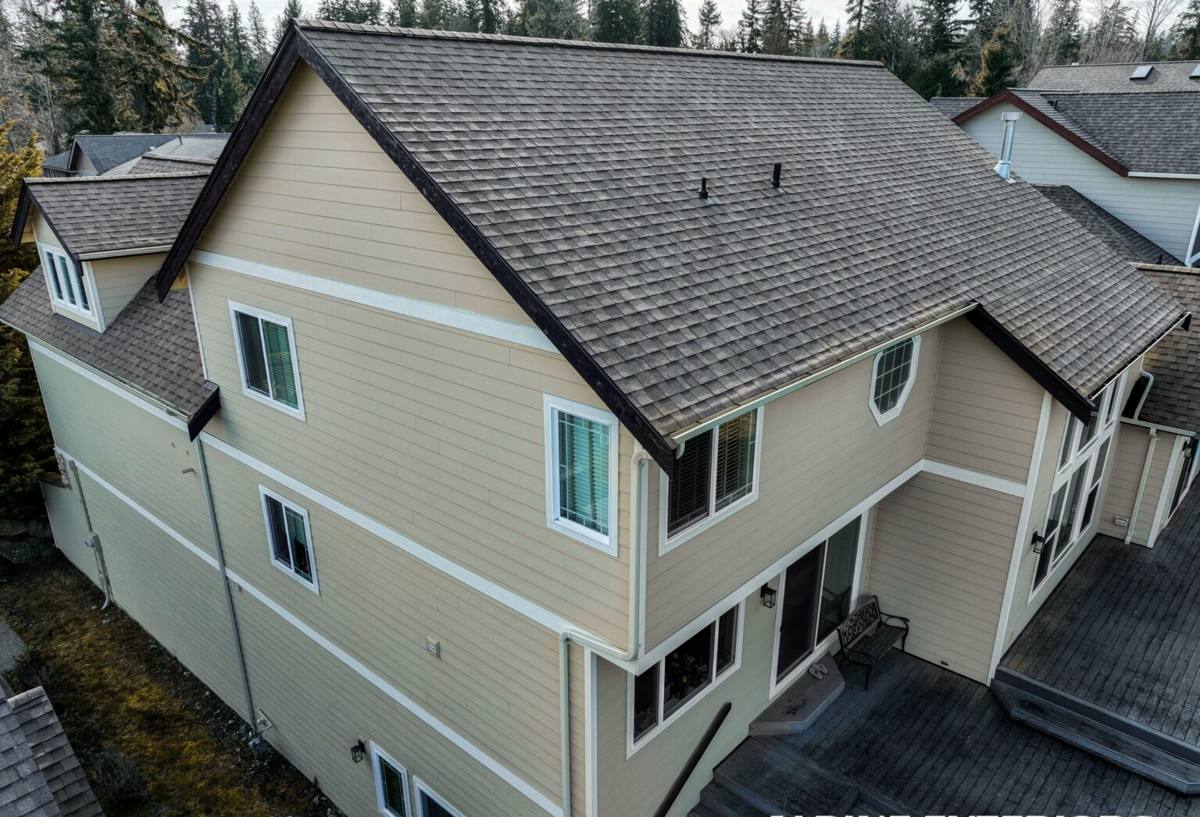
What Bellingham's Climate Does to a Deck Over Time
Every deck failure we get called out to inspect traces back to the same handful of causes, and nearly all of them are climate-driven:
- Moisture that never fully leaves. Driving rain off Bellingham Bay, combined with shade from mature trees common in this area, keeps deck boards and framing damp longer than in drier climates. Wood that stays wet supports rot fungus; framing that stays wet corrodes fasteners faster than the manufacturer's rated lifespan.
- Salt air on metal. Fasteners, joist hangers, and structural screws that aren't rated for coastal exposure can corrode from the inside out, long before any visible rust shows on the surface. This is one of the most common hidden problems we find on older York decks.
- Moss and algae buildup. A shaded, damp deck surface is exactly what moss wants. Beyond being a slip hazard, moss holds moisture against the board surface, which accelerates surface breakdown on wood and can dull or stain composite decking if left too long.
- Freeze-thaw cycling. Whatcom County doesn't get deep freezes often, but the shoulder-season freeze-thaw swings we do get can work water into small cracks in aging wood and worsen fastener loosening over time.
None of this means a deck in York can't last decades — it means the build has to account for these conditions rather than ignore them.
Choosing Decking Material for a York Home
There's no single "best" decking material — the right choice depends on budget, how much upkeep the owner wants to do, and how exposed the deck is to rain, shade, and salt air. Here's how the common options actually compare for this specific climate:
| Material | Moisture Behavior Here | Maintenance | Typical Lifespan |
|---|---|---|---|
| Pressure-treated wood | Absorbs and releases moisture readily; needs a clear path to dry between rain events | Annual cleaning, re-sealing every 1-2 years | 15-20 years with upkeep |
| Cedar | Naturally rot-resistant but still needs to dry between wet periods; shows weathering faster in shaded, damp spots | Cleaning and oiling/sealing every 1-2 years | 15-25 years with upkeep |
| Composite decking | Doesn't absorb water into the board itself, but can trap moisture and grow algae/moss on the surface if never cleaned | Periodic washing; no sealing or staining | 25-30+ years, manufacturer-dependent |
| PVC decking | Fully moisture-resistant board material; best option for consistently shaded, damp areas | Occasional washing | 25-30+ years, manufacturer-dependent |
We don't push one material on every job. A sun-exposed deck on a York lot with good airflow can do perfectly well in wood if it's maintained. A shaded deck tucked against tree cover, where moss and moisture are a bigger fight, is usually a better fit for composite or PVC. We'll walk the site with you and give you a straight answer on what fits your specific yard, not just what's easiest for us to install.
A Note on Wood-Composite Hybrid Products
Some lower-cost composite products use a wood-flour core that's more absorbent than newer capped composite or PVC boards. Our standard is to use fully capped composite or PVC on any deck with shaded or low-airflow sections, because that wood-flour core can hold moisture in exactly the conditions this climate produces. It's a maintenance and moisture-behavior call, not a knock on any manufacturer.
The Structure Underneath: Where Deck Failures Actually Start
Homeowners usually focus on the decking surface, but the framing, footings, and connection points are what determine whether a deck is safe and long-lasting. This is also where climate does the most damage, because it's the part that's hardest to inspect once the deck is built.
Footings and Posts
Footings need to be sized and set to local frost depth and soil-bearing requirements, and posts need a clean break from ground contact — wood sitting directly in damp soil is one of the fastest ways to shorten a deck's life in this climate.
The Ledger Board Connection
Where the deck attaches to the house is the single most common source of serious structural failure nationally, and it's a moisture-sensitive detail. Proper flashing at the ledger board keeps water from working its way behind the siding and into the house framing — a problem that can go unnoticed for years in a climate that rarely gets a long dry stretch to reveal a hidden leak.
Fasteners and Hardware
We use fasteners and structural hardware rated for coastal/exterior exposure on every deck we build in this area. It costs more up front than standard hardware, but standard-grade hardware corroding inside a joist hanger is a hidden failure point you won't see until something moves.
Railings, Stairs, and Code Requirements
Railing height, baluster spacing, stair rise-and-run, and guard requirements are governed by Washington building code, and most raised decks require a permit and inspection. We handle the permitting and code compliance as part of the build so you're not left guessing whether your deck meets current requirements — this matters both for safety and for resale, since an unpermitted or non-compliant deck can become a problem during a home sale inspection.
Our Deck Building Process
- On-site assessment. We walk the specific spot on your property — sun exposure, shade, drainage patterns, soil, and how the deck will connect to the house.
- Design and material selection. We talk through layout, size, and material trade-offs based on how you'll actually use the space and how much upkeep you want to take on.
- Permitting. We prepare and submit what's needed for permit approval before construction starts.
- Footings and framing. Footings set to code depth, properly flashed ledger connection, coastal-rated hardware throughout.
- Decking, railings, and stairs. Installed to manufacturer spec and current code.
- Final inspection and walkthrough. We confirm everything passes inspection and walk you through basic care for your specific decking material.
Drainage and Moss Prevention Built Into the Design
A well-built deck in York should be actively designed to shed water and resist moss, not just wait to be cleaned. Details we build in as standard practice:
- Board spacing that allows adequate drainage and airflow beneath the deck surface
- Grading and gap sizing that avoids water pooling against the house foundation
- Under-deck ventilation where the structure and layout allow it, to help framing dry between rain events
- Material and finish choices matched to how much direct sun vs. shade the specific deck location gets
- Fastener and hardware selection rated for damp, salt-air exposure
Maintenance That Actually Fits This Climate
Whatever material you choose, a deck in Bellingham benefits from a seasonal rinse to knock down early moss and algae growth before it takes hold, especially on shaded sections. Wood decks need re-sealing on a regular cycle to keep water from soaking into the grain; composite and PVC decks need far less, generally just periodic washing. We'll give you a maintenance plan matched to whatever material you go with, so you know exactly what upkeep is worth doing and what isn't necessary.
Why Hiring a Crew That Already Works in York Matters
A deck built to a generic national spec sheet, without accounting for this area's rain patterns, shade, and salt exposure, tends to show problems years earlier than one built for the actual conditions it will sit in. Working regularly in Bellingham and Whatcom County means we're not guessing at frost depth, drainage behavior, or how a given material actually holds up under a real Pacific Northwest wet season — we're building to what we consistently see happen to decks in this specific environment.
If you're planning a new deck in York or replacing one that's showing its age, we're happy to come take a look and give you a straightforward, no-pressure estimate — just fill out the form below and we'll get in touch.