 Bellingham
 Deck Repair Built for York's Bellingham Climate
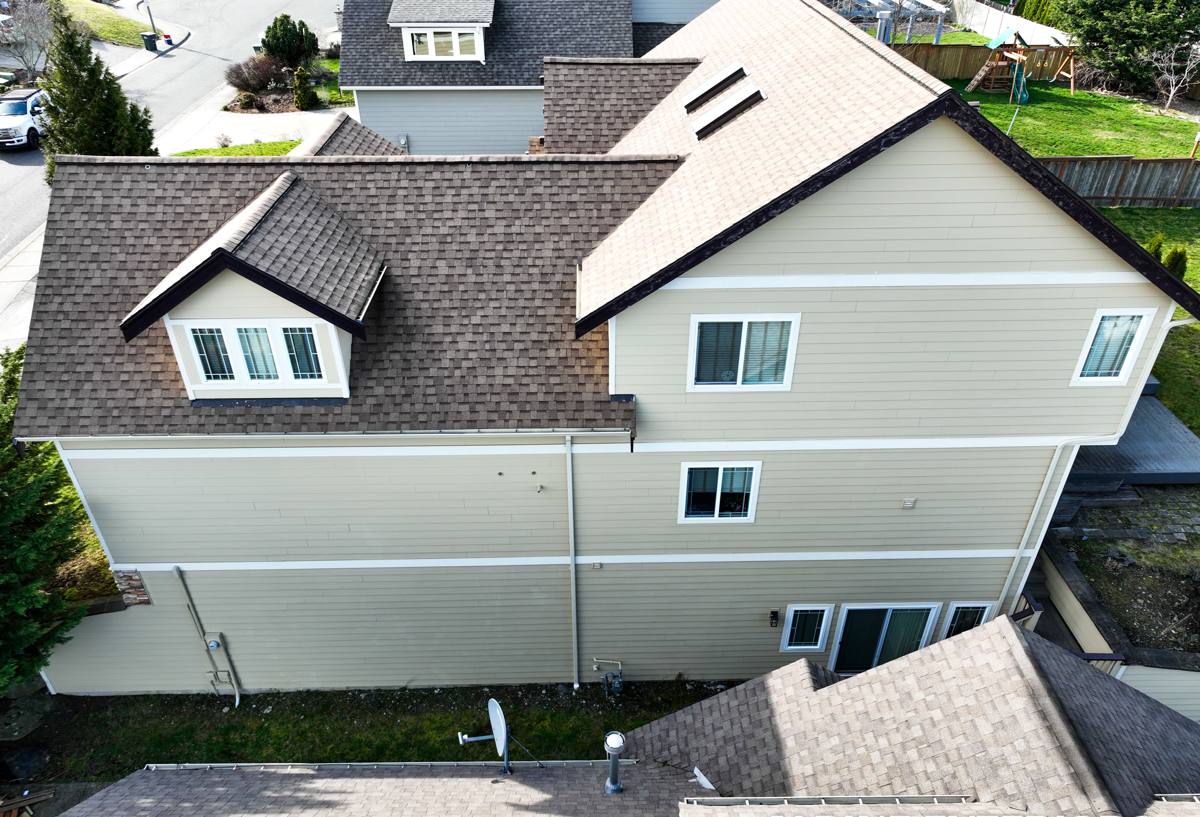
The York neighborhood sits close enough to Bellingham Bay that salt-laden air reaches deck framing and fasteners year-round, and it gets the same driving rain and long, gray moss season as the rest of Whatcom County. Decks here don't fail because homeowners neglect them — they fail because wood, metal, and moisture interact in predictable ways over years, and most of that interaction happens out of sight, underneath the boards and around the ledger board where the deck attaches to the house.
A deck repair done right in this climate isn't just about swapping out a cracked board. It's about understanding why that board cracked, checking whether the same moisture and freeze-thaw cycle is working on the framing underneath, and fixing the actual cause instead of just the symptom. That's the standard we hold every repair to, whether it's a single rotted stair tread or a full ledger and joist rebuild.
Why Salt Air, Rain, and Moss Hit York Decks Hard
Salt Air and Metal Fasteners
Bellingham's proximity to the water means airborne salt settles on exposed surfaces, including deck screws, nails, and joist hangers. Standard fasteners corrode faster here than they would inland, and corroding metal doesn't just look bad — it loses holding strength. A rusted joist hanger or a screw head that's crumbled below the surface can turn a stable deck into an unstable one without any visible warning from the top.
Driving Rain and Water Intrusion
Wind-driven rain doesn't fall straight down — it gets pushed sideways into gaps, under flashing, and into any seam that isn't properly sealed. On older decks, the ledger board connection to the house is usually the weak point, since flashing details from decades past often don't meet what's understood today about keeping water out of that joint. Once water gets behind the ledger, rot can spread for years before it shows on the surface.
Moss and Prolonged Moisture
Whatcom County's moss season runs long, and moss doesn't just grow on roofs. On decking, moss and algae hold moisture against the wood surface far longer than open air would allow, which softens fibers, feeds rot fungus, and makes boards slick and dangerous underfoot. Shaded sections of a deck, or areas under overhanging trees, are usually the first to show it.
Signs Your York Deck Needs Repair, Not Just Cleaning
Some deck problems are cosmetic and some are structural. Knowing the difference matters, because pressure washing a deck with hidden rot doesn't fix anything — it can actually push water further into already-softened wood. Here's what tells us a deck needs real repair work:
- Boards that feel spongy, springy, or noticeably softer than the boards around them
- A screwdriver or awl that sinks into wood at the ledger, posts, or joist ends with light pressure
- Visible gaps, cracks, or separation where the deck meets the house
- Rust streaks running down from screws, nails, or metal connectors
- Railings or stair posts that wobble or flex when pushed
- Persistent green or black staining that returns quickly after cleaning
- Boards that have cupped, crowned, or pulled away from their fasteners
- A noticeable bounce or give when walking across a specific section
If any of these show up, especially near the ledger board or support posts, that's a structural question, not a maintenance one, and it's worth having someone look before the next family gathering or heavy snow load tests it.
What an Honest Deck Repair Actually Involves
Starting Underneath, Not on Top
A repair that only replaces what's visible from above is a repair that misses the point. Before we touch a single board, we check the framing underneath — joists, beams, the ledger connection, and post bases — because that's where moisture damage actually starts in this climate. Surface boards get replaced more often; framing failures are the ones that cause real safety problems.
Fasteners and Hardware
Given the corrosion issue that salt air creates here, we use stainless steel or hot-dip galvanized fasteners and connectors rated for exterior and coastal-adjacent exposure, not the cheaper coated screws that streak and weaken within a few seasons. This is a small line-item cost difference on a repair and a large difference in how long that repair actually holds.
Ledger Board and Flashing
If the ledger connection is the source of water intrusion, we address the flashing detail as part of the repair, not around it. Reattaching a ledger without correcting bad flashing just guarantees the same rot returns in a few years.
Matching Materials
Whether the existing decking is cedar, pressure-treated lumber, or composite, we match materials so the repair blends in structurally and visually rather than creating a patchwork of mismatched boards and colors.
Repair or Replace: How We Help You Decide
Not every deck problem calls for a full rebuild, and not every deck is worth patching indefinitely. We look at the extent and location of the damage, the age of the structure, and whether the framing underneath is still sound.
| Factor | Points Toward Repair | Points Toward Replacement |
|---|---|---|
| Damage location | Isolated to a few boards or one section | Spread across framing, ledger, and multiple posts |
| Framing condition | Joists and beams still solid when probed | Widespread soft spots or visible rot in structural members |
| Deck age | Under 15-20 years, built to a reasonable standard | Original structure decades old with outdated framing methods |
| Fastener condition | Some corrosion, hardware still functional | Hangers and connectors failing or missing |
| Code/safety details | Railings, stairs, and ledger meet current expectations | Railing height, spacing, or attachment doesn't meet current safety practice |
When a deck falls into the middle of that table, we'll say so honestly and lay out both options with real trade-offs rather than defaulting to the bigger job.
Material Options When Boards Need Replacing
Part of a good repair is choosing replacement material that fits both the existing deck and the realities of this climate.
| Material | Behavior in Wet, Salt-Air Climate | Maintenance |
|---|---|---|
| Pressure-treated lumber | Good rot resistance when properly sealed; needs the cut ends and fastener holes treated | Periodic cleaning and re-sealing every few years |
| Cedar | Naturally rot- and insect-resistant, ages to gray if left unfinished, needs a breathable finish to keep that resistance active | Regular cleaning; refinishing keeps it performing |
| Composite | Doesn't rot or splinter, but board and fastener quality varies widely and moisture can still cause issues at cut ends or under debris buildup | Low, but not zero — still needs periodic cleaning |
We'll talk through which option makes sense for your specific deck rather than pushing one material as a blanket answer — each has real trade-offs in cost, appearance, and long-term upkeep.
Our Process for York Deck Repairs
- On-site assessment — we check the deck from above and, where accessible, from underneath, probing framing and connections rather than just looking at the surface.
- Honest scope — we tell you what's actually damaged, what's a maintenance issue versus a structural one, and what the realistic repair versus replace picture looks like.
- Written estimate — clear on materials, fasteners, and what the repair covers, with no vague allowances.
- Repair work — framing and connections addressed first, then decking, railings, and stairs, using corrosion-resistant hardware throughout.
- Final walkthrough — we check the repair with you before calling the job done, including any maintenance steps that will extend its life.
Why a Crew That Already Works in York Matters
Deck repair isn't a one-size-fits-all trade. A crew that regularly works Bellingham's older, established neighborhoods understands how decks in this area were typically built, what framing shortcuts were common in different eras, and where water tends to find its way in given the local rain patterns and tree cover. That familiarity means less time spent guessing and more time spent fixing the actual problem — and it means a faster, more accurate estimate because we're not learning the local building patterns on your job.
Being local also means we're not disappearing after the invoice. If a repair needs a follow-up check after the first hard winter, or a homeowner has a question about how the repaired section is holding up, we're a short drive away, not a company working out of another county.
Keeping a Repaired Deck From Needing Repair Again
A good repair should buy you years, not months. A short list of habits keeps it that way in this climate:
- Clean moss and algae off the deck surface at least once a year, ideally before the wet season sets in
- Keep gutters and downspouts clear so runoff isn't dumping extra water onto or near the deck
- Sweep leaves and debris off the deck regularly, especially in corners and against the house, where moisture collects
- Check railings and stair connections for movement once or twice a year
- Re-seal or refinish wood decking on the schedule the finish product recommends, not just when it looks faded
- Address small issues, like a single soft board or a loose baluster, before the next wet season rather than after
If you're seeing any of the warning signs above, or just want a straight answer on whether your deck needs repair or replacement, we're happy to take a look. The estimate is free, there's no pressure, and you'll get an honest read on what your deck actually needs — use the form below to get started.