 Bellingham
 New Roofs Built for Where York Homes Actually Sit
The York neighborhood sits close enough to the water and the marine weather pattern that comes with it that a roof here works harder than one a few hours inland. Salt-laden air off the Salish Sea accelerates corrosion on exposed metal fasteners and flashing. Driving rain, pushed sideways by wind off the water, finds every weak seam and undersized flashing detail. And Whatcom County's long, wet moss season means organic growth is trying to take hold on your roof for a good chunk of the year, not just a few weeks in fall. A new roof installation in this neighborhood isn't just about swapping old shingles for new ones — it's about building a system that's specifically resistant to those three things at once.
We install roofs on homes throughout Bellingham and Whatcom County, and York's mix of older single-family homes and newer infill construction means we see a wide range of roof ages, decking conditions, and prior repair jobs. That variety is exactly why a cookie-cutter install doesn't hold up here — the right approach depends on what's underneath the shingles as much as what climate factors we're building against.
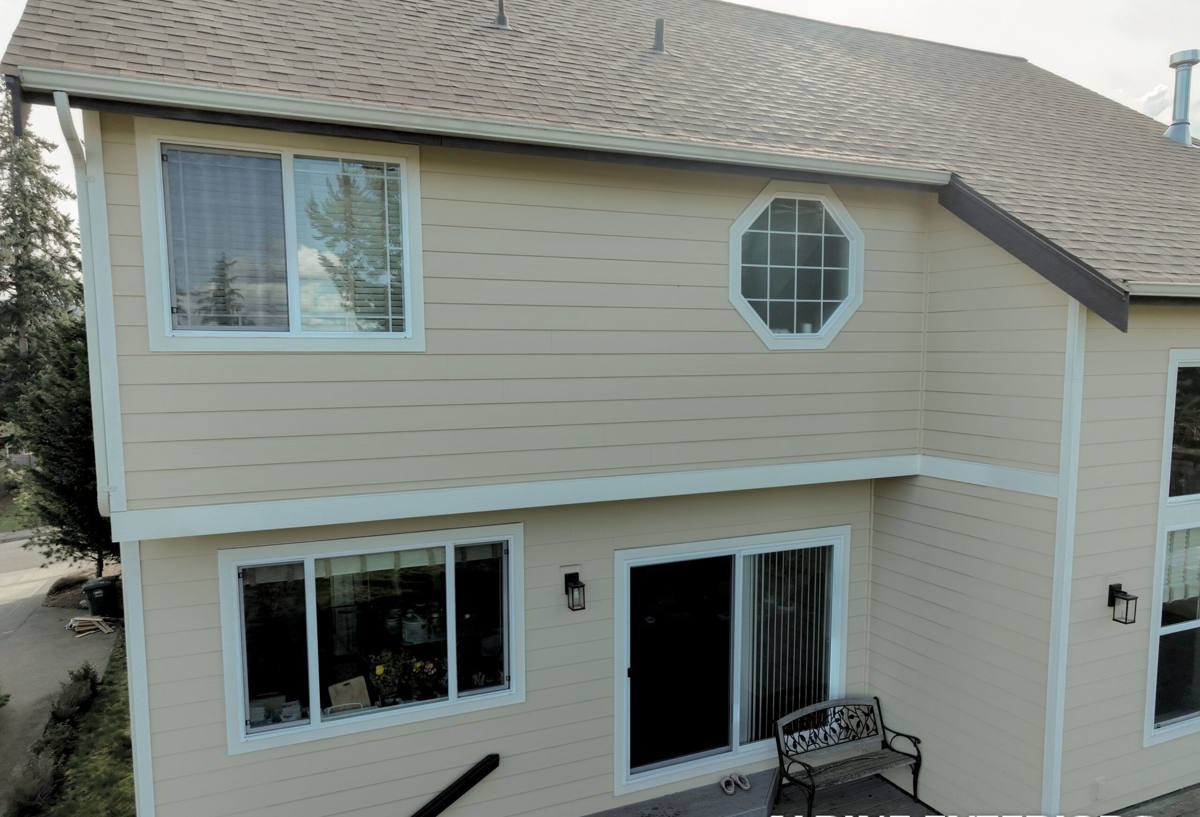
Signs a York Home Is Due for a New Roof
Roofs rarely fail all at once. They give you warning signs first, and in this climate those signs often show up as moisture problems before they show up as visible shingle damage.
- Granules collecting in gutters or at downspout outlets — a sign the shingle surface is wearing thin
- Dark streaking or green-black patches, especially on north-facing slopes that stay shaded and damp longer
- Moss growth at shingle edges and in valleys, which lifts tabs and lets water travel sideways under the roof
- Curling, cupping, or cracked shingles, particularly on slopes that catch the most wind-driven rain
- Soft spots in the decking when walked on, or sagging visible from the ground
- Daylight visible through the attic roof deck, or damp insulation and staining on attic rafters
- Rusting or deteriorating flashing around chimneys, vents, and skylights
If your roof is nearing 20-25 years old (for asphalt composition) and you're seeing two or more of these signs, it's worth having it evaluated before a full replacement becomes an emergency repair.
What a Correct New Roof Installation Actually Involves
It Starts Underneath, Not With Shingles
The shingles are the part everyone sees, but the parts that actually keep water out in a wet climate are the ones underneath: the decking, the underlayment, and the flashing. A new roof installation that skips a real decking inspection is a new roof installation that's likely to fail early, no matter how good the shingles are.
Decking Inspection and Repair
Once the old roofing is stripped off, we inspect the plywood or OSB decking for soft spots, delamination, and water staining. Any compromised sheathing gets replaced before anything new goes down — installing new shingles over damaged decking just hides a problem that will show up again as a leak or a sag.
Underlayment and Ice/Water Protection
Given how much wind-driven rain this area sees, underlayment choice matters more here than in drier climates. We use synthetic underlayment as a standard for its tear resistance and water-shedding performance, and we add self-adhered ice-and-water membrane at vulnerable points — eaves, valleys, and roof penetrations — where wind-driven rain is most likely to work its way under the shingle field.
Flashing Details
Flashing failures cause more roof leaks than worn-out shingles do. Every chimney, skylight, vent pipe, and wall intersection gets new flashing, properly step-flashed and counter-flashed, not just caulked over old metal. In a salt-air environment, we pay particular attention to fastener and flashing material choices to reduce long-term corrosion.
Ventilation
Proper intake and exhaust ventilation keeps the attic temperature and moisture level in balance, which reduces condensation, extends shingle life, and helps prevent the ice-dam-adjacent moisture problems that show up in this region's cold, wet winters.
Choosing a Roofing System for Whatcom County Weather
Most York homeowners are choosing between a handful of proven systems. Here's how they generally compare for a coastal Whatcom County property:
| Roofing Type | Moss/Moisture Resistance | Wind-Driven Rain Performance | Typical Lifespan |
|---|---|---|---|
| Architectural asphalt shingles | Good with proper underlayment and periodic cleaning | Strong when properly nailed and sealed | 25-30 years |
| Standing seam metal | Excellent — sheds moss and debris easily | Excellent, especially on steeper pitches | 40-60+ years |
| Synthetic/composite shakes | Good, resists rot unlike natural wood | Strong with correct fastening pattern | 30-50 years |
| Cedar shake (natural wood) | Requires ongoing maintenance to resist moss and rot | Moderate — dependent on upkeep | 20-30 years with maintenance |
Architectural asphalt shingles remain the most common choice for good reason — they balance upfront cost, appearance, and performance well when installed correctly. Metal is worth considering for homeowners planning to stay long-term or who want the lowest-maintenance option against moss. We'll walk through the honest trade-offs of each for your specific roof rather than pushing one product across every job.
Our New Roof Installation Process
1. On-Site Evaluation
We inspect your existing roof, attic ventilation, and decking condition, and talk through what your home actually needs versus what's optional.
2. Written Estimate
You get a clear, itemized estimate — materials, labor, and any decking repair contingencies spelled out before work starts, not discovered afterward.
3. Material Selection
We help you choose a system based on your budget, the home's exposure to wind and rain, and how much long-term maintenance you're willing to take on.
4. Tear-Off and Decking Repair
Old roofing comes off down to the deck, damaged sheathing is identified and replaced, and the deck is prepped for underlayment.
5. Underlayment, Flashing, and Ventilation Install
This is the stage that determines whether your roof stays dry for 25+ years or starts leaking in year five. We don't rush it.
6. Shingle or Panel Installation
Installed to manufacturer specification for nailing pattern, exposure, and sealing — the details that keep a roof watertight in sustained wind and rain.
7. Final Inspection and Cleanup
We walk the finished roof, check every penetration and edge detail, and do a full magnetic sweep and debris cleanup of your property before we consider the job done.
Moss and Moisture Control Don't End at Installation
A new roof gives you a clean start, but Whatcom County's climate doesn't take a break. Zinc or copper strips near the ridge can help suppress moss regrowth over time, and keeping gutters and valleys clear of debris prevents the standing moisture that moss needs to establish itself. We'll walk you through simple, low-effort maintenance steps at the end of your install so your new roof stays performing the way it's supposed to for its full lifespan, not just its first few years.
Why a Crew That Already Works in York Matters
A roofing crew that regularly works in this neighborhood already understands the exposure patterns specific to it — which slopes take the worst of the wind-driven rain, how much shade certain lots get and how that affects moss growth, and what decking condition to expect on homes of a given age. That's the difference between a generic installation and one that's actually built for the house in front of us. Local, licensed, and insured work also means someone accountable is easy to reach if a warranty question comes up five or ten years down the road — not a call center for a company that did one job in the area and moved on.
What to Expect Before You Commit
A straightforward new roof installation shouldn't feel like a mystery. Before you sign anything, a reputable contractor should be able to walk you through the following:
- A physical, on-roof inspection — not just a drive-by estimate
- A written scope of work naming underlayment type, flashing approach, and ventilation plan
- Clear language on what happens if decking damage is found once tear-off begins
- Proof of current licensing and insurance for work in Washington State
- A realistic timeline that accounts for Whatcom County's rain patterns
- Manufacturer warranty terms in writing, along with the contractor's own workmanship warranty
If a contractor can't answer these clearly, that's worth treating as a red flag before work begins, not after.
If your York-area home is showing signs it's due for a new roof, we're happy to take a look and walk you through your options honestly — no pressure, no hard sell. Fill out the form below and we'll set up a free estimate.