 Bellingham
 Windows in York Face a Different Kind of Wear
Homes in the York area of Bellingham sit inside one of the wetter, saltier microclimates in Whatcom County. That combination — moisture off Bellingham Bay, near-constant driving rain through fall and winter, and a moss season that can stretch from October well into spring — puts more stress on a window assembly than most manufacturers' warranty language accounts for. Windows here don't fail because the glass wears out. They fail because water finds a way behind the frame, hardware corrodes faster than expected, or a shaded, moss-prone wall never fully dries between storms.
A window installation done for York needs to account for all of that from the start, not as an afterthought. That means the right frame material, the right flashing detail, and a crew that has actually dealt with what this specific climate does to a house over a few winters.
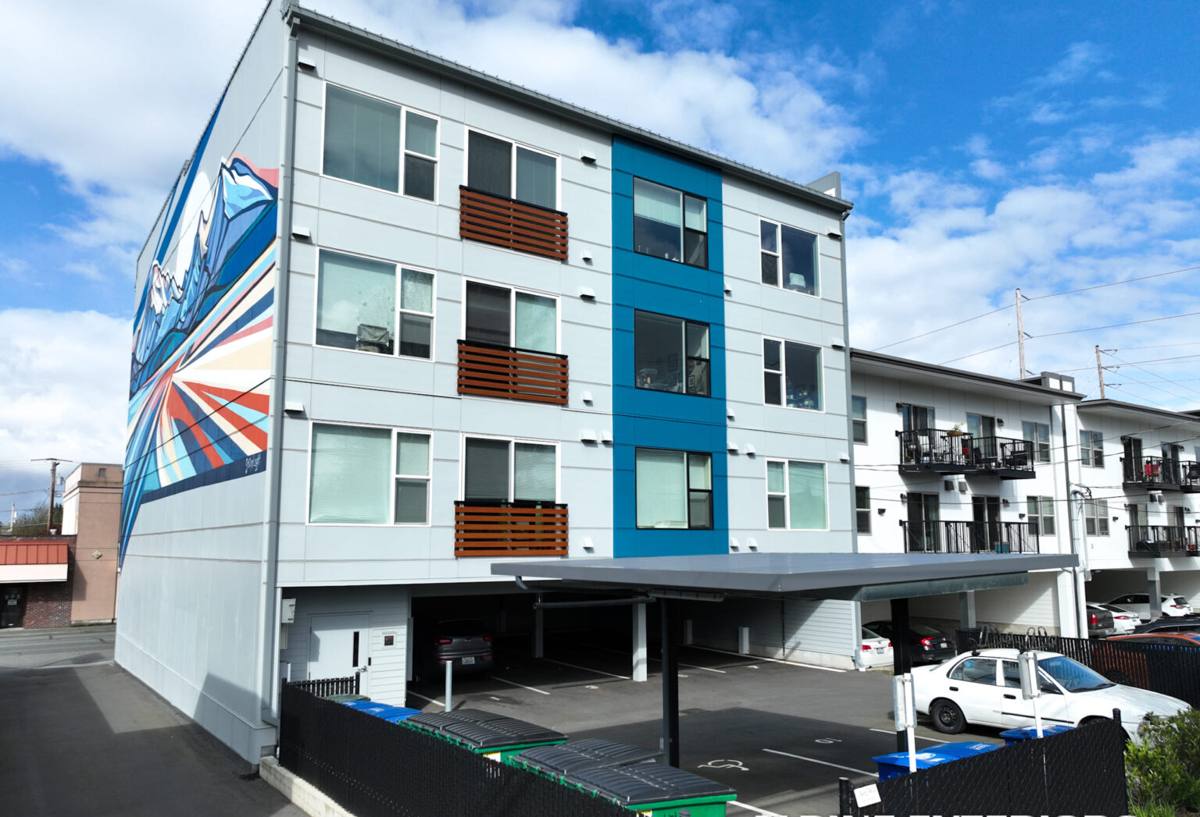
What the Marine Climate Does to a Window Over Time
Salt Air and Hardware
Proximity to Bellingham Bay means a light film of salt-laden moisture settles on exterior surfaces more often than homeowners realize. Over years, this accelerates corrosion on exposed hardware — hinges, locks, and lesser-grade fasteners — and can dull or pit finishes on lower-quality frames. It's rarely dramatic; it's slow, cumulative wear that shows up as a window that's harder to latch or a sash that no longer sits flush.
Wind-Driven Rain at the Frame
Bellingham's storms frequently push rain sideways, not straight down. That matters because a lot of window failures aren't glass failures at all — they're water intrusion at the perimeter, where the frame meets the siding. If the flashing, sealant, or weather-resistive barrier behind the trim isn't detailed correctly, wind-driven rain will eventually work its way in, regardless of how good the window itself is.
Moss, Shade, and Trapped Moisture
Many lots around York carry mature tree cover, which keeps siding and trim shaded and slow to dry after rain. That's exactly the environment moss and mildew prefer, and it's also the environment where wood trim and lower-grade composite sills soften and degrade fastest. A window opening that stays damp longer than it should will show that wear well before the rest of the house does.
Signs a York Home's Windows Are Past Due
Most homeowners notice window problems long before they act on them. If you're seeing more than one or two of these, it's worth having the openings looked at rather than just the glass:
- Visible fogging or a permanent haze between the panes (a failed seal, not a cleaning issue)
- Soft, discolored, or bubbling trim and sill material around the frame
- Drafts you can feel with a hand near the frame on a windy day
- Windows that are difficult to open, close, or lock, especially after damp weather
- Visible moss, black staining, or persistent damp streaks below or beside the frame
- Condensation forming on interior glass or sills through the colder months
- Noticeably higher heating costs without another clear explanation
What a Correct Installation Actually Involves
Removal Without Damage to the Opening
The old window and any compromised trim come out carefully enough to expose the rough opening and framing underneath. This is the point where hidden problems — soft framing, prior flashing mistakes, old caulk standing in for real weatherproofing — get found. Skipping a real inspection here is how a new window ends up installed over an old problem.
Flashing and Water Management
This is the step that determines whether a window lasts fifteen years or fails in three. Proper flashing directs any water that gets behind the siding back out and away from the framing, using a sequence — sill pan, side flashing, head flashing — that overlaps correctly with the home's existing weather-resistive barrier. In a climate that sees as much driving rain as Whatcom County does, this detail matters more than almost any other part of the job.
Air Sealing and Insulation
The gap between the window frame and the rough opening gets sealed and insulated — not just caulked on the outside — so the window performs the way it's rated to and doesn't become a cold spot or a condensation point inside the home.
Sill, Trim, and Finish
Exterior trim gets reinstalled or replaced with material suited to a wet climate, sealed at the joints, and left paint-ready. A clean finish isn't just cosmetic — a poorly sealed trim joint is a common entry point for the moisture that eventually causes the moss and staining problems described above.
Choosing a Window Built for Coastal Whatcom County
Frame material has a real impact on how a window holds up to salt air, sustained moisture, and temperature swings. There's no single right answer for every home — it depends on budget, exposure, and how the house is used — but here's how the common options generally compare in this climate:
| Frame Material | Coastal/Moisture Performance | Maintenance | General Cost Range |
|---|---|---|---|
| Vinyl | Good — won't rot or corrode; performs well in most Bellingham exposures | Low — occasional cleaning | Lower |
| Fiberglass | Very good — dimensionally stable through temperature and moisture swings | Low | Mid to upper-mid |
| Wood (unclad) | Requires diligent upkeep — attractive but the most exposed to rot in a wet, shaded lot | High — regular painting/sealing | Mid to high |
| Wood-Clad (aluminum or fiberglass exterior) | Good — exterior shell protects the wood core from weather | Moderate | Higher |
As a general standard, we steer homeowners away from unclad wood on shaded, moisture-heavy elevations — not because wood is a bad material, but because the maintenance burden in a climate like this one is significant, and a missed paint cycle can shorten its life considerably. On sun-exposed or well-ventilated walls, it's a more reasonable choice.
Glass Package Considerations
Double-pane windows with a low-E coating are the practical standard for most homes here and perform well against Bellingham's temperature range. Triple-pane adds meaningful sound and thermal performance but at added cost and weight — worth considering on north-facing or particularly exposed walls, less critical elsewhere. Argon or krypton gas fill between panes is a modest, worthwhile upgrade in either configuration. Whatever glass package you choose, confirm the NFRC label ratings (U-factor and Solar Heat Gain Coefficient) rather than relying on marketing terms alone — they're the actual, comparable performance numbers.
Our Process, Start to Finish
- On-site assessment — we look at each opening individually, not just the window, including flashing, framing, and any existing moisture damage.
- Product selection — we walk through frame and glass options suited to that specific wall's sun, shade, and wind exposure.
- Written estimate — clear scope, materials, and timeline before any work is scheduled.
- Installation day — careful removal, inspection of the opening, correct flashing sequence, air sealing, and finish trim.
- Cleanup and walkthrough — every window is operated and checked with you before we consider the job done.
- Warranty documentation — manufacturer and labor warranty paperwork handed over, not left for you to track down.
Why a Crew That Already Works in York Matters
York's mix of mature tree cover, proximity to the bay, and varied lot orientation means two houses a few blocks apart can have genuinely different exposure problems — one dealing with more wind-driven rain, another dealing more with shade and slow-drying moss growth. A crew that's worked this specific pocket of Bellingham has already seen how these conditions play out on real houses, which framing quirks are common in the area's older housing stock, and what's needed to satisfy Whatcom County permitting and inspection where it applies. That local pattern recognition is the difference between a window that's simply installed and one that's installed correctly for where it actually sits.
Maintaining Your New Windows in This Climate
A properly installed window in a coastal climate still benefits from a little seasonal attention:
- Rinse accumulated salt film and grime off frames and glass a few times a year, especially after storm stretches
- Check that weep holes along the sill track stay clear of debris and moss so water can drain as designed
- Keep nearby vegetation trimmed back where it's shading a wall and slowing drying time
- Inspect exterior caulking annually and touch up before small gaps become water paths
- Wipe down interior sills if condensation forms during cold snaps, and note where it's happening
If you're weighing window replacement for a York home, we're happy to take a look and give you a straightforward, no-pressure estimate — what your openings actually need, what it will cost, and why. Just fill out the form below to get started.