 Bellingham
 Decks in Barkley Face a Different Kind of Wear
Barkley is one of Bellingham's newer planned neighborhoods, and a lot of the decks out here were built within the last two decades — which sounds like good news, but it doesn't mean they're immune to damage. Whatcom County's climate is hard on exterior wood and fasteners no matter how new the structure is. Moist air off Bellingham Bay, long stretches of driving rain through fall and winter, and a moss season that can run half the year all work on a deck's weak points: ledger connections, joist tops, fastener heads, and anywhere water can sit instead of drain.
We see the same pattern on Barkley calls again and again: a deck that looks fine from a distance but has soft spots near the house, discoloration under railings, or boards that have started to cup. None of that is unusual for this area. It's just what happens when a structure spends most of the year damp. The difference between a deck that lasts another 15 years and one that needs early replacement usually comes down to whether small problems get caught and repaired before they spread.
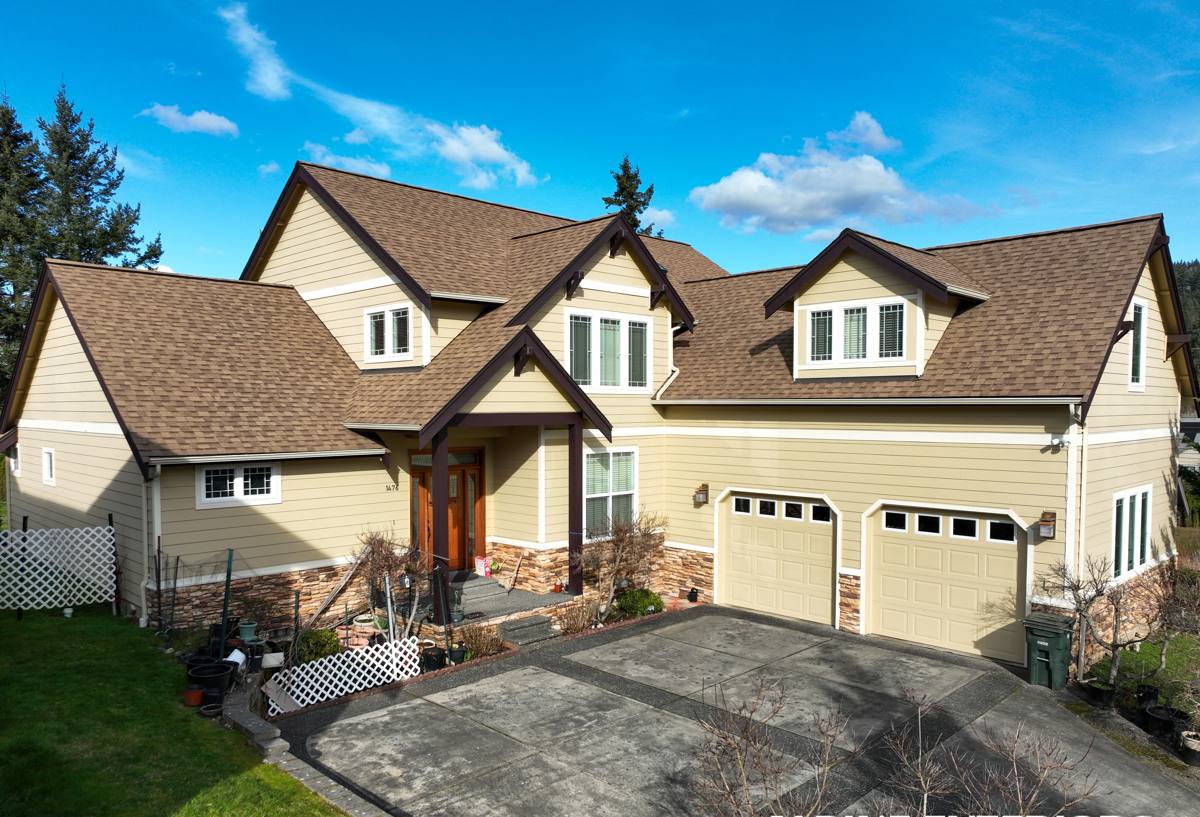
Signs a Barkley Deck Needs Repair
Most deck failures don't happen suddenly. They start small and get worse every wet season they're ignored. Here's what we look for, and what homeowners can check themselves before calling anyone out.
- Soft or spongy decking boards, especially near the house or along the rim
- Rust streaks below screws or nail heads — a sign fasteners are corroding
- Green or black staining that keeps coming back even after cleaning
- Gaps opening up between decking boards or at butt joints
- Railing posts that wiggle when pushed sideways
- Visible daylight or water staining where the deck meets the house siding
- Stairs that feel bouncy or have started to pull away from stringers
- Standing water that takes more than a day to dry after rain
Any one of these on its own might be minor. A few of them together usually means moisture has been getting into the structure for a while, not just sitting on the surface.
What a Proper Repair Actually Involves
It starts underneath, not on top
A lot of deck "repairs" amount to replacing a few visibly bad boards and calling it done. That fixes what you can see but not necessarily what caused it. Our approach starts by getting underneath the deck to check the framing — joists, beams, and especially the ledger board where the deck attaches to the house. That connection is the single most important structural point on any deck, and it's also the one most exposed to whatever water runs off the house.
Flashing is where most failures actually start
If the ledger doesn't have proper flashing, or the flashing has failed, water gets channeled directly into the rim joist and wall framing behind it — and it can do that for years before anyone notices from above. On older or poorly built decks in wetter climates like ours, this is the most common root cause of what looks like "just a rotten board" on the surface.
Fasteners matter more here than in drier regions
Standard hardware or the wrong-grade screws corrode faster in a marine-influenced climate like Bellingham's. Once a fastener starts rusting, it weakens the connection long before the wood around it looks damaged. Part of a correct repair is replacing failing fasteners with hardware rated for coastal and wet-climate exposure, not just matching what's already there.
Structural repair before cosmetic repair
Once framing, flashing, and connections are sound, we move to decking boards, railings, and stair treads. Doing it in that order matters — there's no point installing new boards over framing that's still compromised.
Repair or Replace? A Practical Comparison
Homeowners often assume a deck with damage needs full replacement. Sometimes it does. More often, targeted repair gets the job done for a fraction of the cost — as long as the framing is sound. Here's how we help homeowners think through it.
| Factor | Favors Repair | Favors Replacement |
|---|---|---|
| Framing condition | Joists and beams are solid, damage is localized | Widespread rot in joists, beams, or ledger |
| Age of structure | Under 15-20 years, built to a reasonable standard | Older deck, outdated fastening or footing methods |
| Extent of damage | A few boards, railing sections, or fasteners | Damage spread across most of the deck surface |
| Ledger/flashing condition | Flashing intact or easily corrected | Flashing missing or failed with wall damage behind it |
| Budget goals | Lower upfront cost, extend usable life | Want a full reset — new layout, larger footprint, new material |
The only way to know which side of this table your deck falls on is an actual inspection underneath and around the structure — not just a look at the surface boards.
How Our Process Works
- On-site inspection. We check the ledger, framing, footings, fasteners, and decking surface, and explain what we find in plain terms — no pressure toward the more expensive option.
- Written scope and estimate. You get a clear breakdown of what needs repair, what materials we'd use, and a realistic cost range before any work starts.
- Repair work. Structural issues first, then decking, railings, and stairs. We match or upgrade materials as needed rather than just patching with whatever's on hand.
- Cleanup and walkthrough. We walk the finished work with you so you know what was done and what to watch for going forward.
Material Choices: What We Recommend and Why
Barkley has a mix of deck ages and materials — pressure-treated framing under cedar or composite decking is common. When repairing rather than replacing, matching the existing material usually makes sense structurally and visually. When a full section needs rebuilding, we'll talk through the trade-offs honestly:
- Pressure-treated lumber is the standard for framing and is cost-effective, but it needs proper flashing and fastener choices to hold up in a climate this wet — cutting corners here is where most future problems start.
- Cedar decking looks great and resists rot reasonably well, but it needs regular refinishing to keep performing, especially with the amount of rain and shade many Barkley lots get.
- Composite decking costs more upfront but needs far less maintenance and doesn't absorb moisture the way wood does — a real advantage during our wetter months, though it still requires proper ventilation underneath to avoid trapped moisture in the framing below it.
We don't push one product line over another as a blanket rule. We tell you the honest maintenance and moisture trade-offs of each so you can pick based on your budget and how much upkeep you want to take on.
Moss, Algae, and the Long Wet Season
Whatcom County's moss season isn't a minor annoyance — it's a real factor in deck longevity. Moss and algae hold moisture against wood and decking surfaces far longer than open air would, and on shaded lots or north-facing decks (common throughout Barkley's tree-lined lots) that moisture barely gets a chance to dry between rain events. Over a few seasons, that constant dampness accelerates rot in wood and can degrade the surface grip on composite boards too.
Part of a good repair job includes addressing drainage and airflow underneath the deck, not just cleaning the surface. A deck that dries out faster after rain is a deck that lasts longer, full stop.
Why Hiring a Crew That Already Works Barkley Matters
Barkley's mix of newer construction, HOA-influenced design standards, and lot layouts oriented around shared green space means deck repairs here often come with a few extra considerations — setback rules, HOA appearance guidelines, or specific drainage patterns tied to how the neighborhood was graded. A crew that's already done work in the area knows to check for these things upfront rather than running into them mid-project.
Just as important: we know what Bellingham's climate does to decks over time, because we've opened up enough of them to see it firsthand. That means less guessing about where problems are likely hiding and a repair plan that accounts for the actual conditions your deck lives in, not a generic checklist.
Simple Maintenance That Extends Repair Life
A repaired deck still needs upkeep — the climate doesn't stop working on it just because it's fixed. A few habits go a long way between now and your next inspection:
- Sweep leaves and debris off the deck surface regularly, especially in fall
- Keep gutters and downspouts near the deck clear so runoff doesn't pool against it
- Rinse off moss and algae buildup before it has a chance to hold moisture long-term
- Check railings and stair connections for looseness once or twice a year
- Reseal or refinish wood decking on the schedule the product actually calls for, not "when it looks bad"
If your deck in Barkley has soft spots, loose railings, or just hasn't been looked at in a few years, we're happy to come take a look. We'll give you a straight assessment of what's going on and a free, no-pressure estimate for what it would take to fix it right — just fill out the form below to get started.