 Bellingham
 Deck Repair in Birch Bay: Built for a Different Kind of Wear
Birch Bay sits right on the water in northern Whatcom County, and that location puts a deck through more than a typical backyard structure ever sees. Salt-laden air comes off the bay steadily, wind-driven rain gets pushed sideways into ledger connections and railing joints that a calmer inland yard would never deal with, and a moss and algae season that runs long on shaded or north-facing surfaces turns walking boards slick for months at a time. A deck out here doesn't fail because the owner neglected it — it fails because the exposure is genuinely harder on wood, fasteners, and hardware than most decks are built to handle.
We repair decks throughout Birch Bay and the surrounding waterfront stretch of Whatcom County, and repair work is a different discipline from new construction. It means diagnosing what's actually wrong under the surface, deciding honestly what can be fixed versus what needs to come out, and putting the structure back together so it holds up to the same salt air and driving rain that damaged it in the first place. This page is specifically about that repair work — what it involves, what we look for, and why it matters to hire a crew that already knows this stretch of coastline.
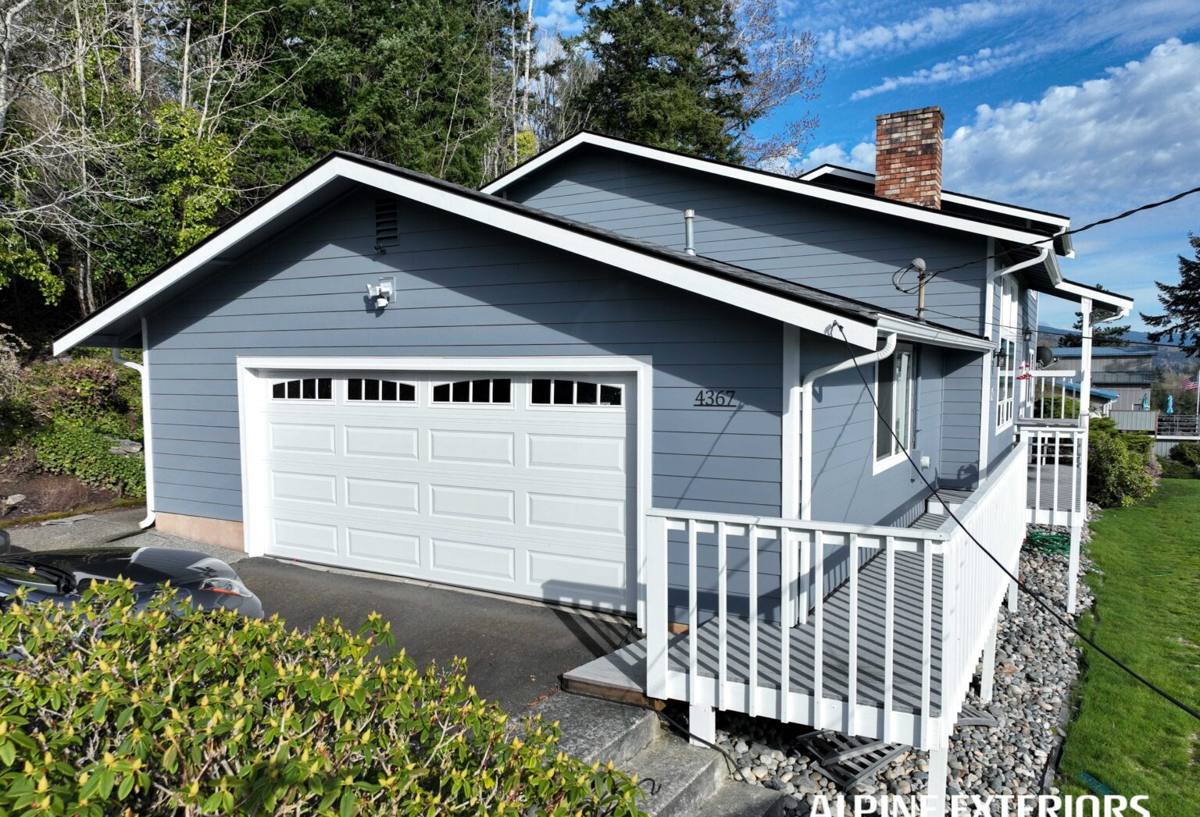
What Birch Bay's Climate Does to a Deck
Salt Air and Corroding Hardware
Direct waterfront exposure means more salt in the air than a deck a few miles inland ever contends with. Salt accelerates corrosion of nails, screws, joist hangers, and structural connectors, and once a fastener starts rusting it loses grip strength long before it looks obviously bad from the top. A lot of the deck repair calls we get in Birch Bay trace back to hardware that was never rated for this kind of exposure in the first place — standard fasteners that were fine for an inland build but that corrode faster right on the bay.
Driving Rain and Trapped Moisture
Wind off the water doesn't just bring rain — it drives it sideways into places a vertical downpour wouldn't reach, including the ledger board connection where a deck attaches to the house and the gaps between decking boards where debris and moisture collect. That trapped moisture is what actually causes rot, not rainfall totals on their own. A deck can look fine from a distance while the framing behind the ledger board or under a section of decking stays damp for weeks after every storm, and that's exactly where structural rot tends to start.
A Long Moss and Algae Season
Mild temperatures, shade, and near-constant dampness add up to a moss and algae season that can run most of the year on shaded decks in this part of Whatcom County. Beyond making a walking surface slick and genuinely dangerous, moss and algae hold moisture directly against the wood or composite surface, which speeds up rot in wood decking and can void the warranty on some composite products if it's allowed to sit unaddressed.
Common Deck Problems We Find in Birch Bay
Structural Damage Hidden Under the Surface
The most serious deck problems are usually the ones you can't see from standing on top of the deck. A soft or separating ledger board connection, corroding joist hangers, posts that have started to rot at grade level, or a beam that's lost bearing capacity are all structural issues that can exist under a deck that still looks presentable from above. These are the repairs that matter most, because a deck's ability to safely hold weight comes entirely from the framing underneath, not from how the surface boards look.
Surface-Level Wear You Can See
Cupped, splintering, or graying wood decking, popped or corroding fasteners, loose or wobbly railings, and persistent moss or algae staining are the problems most homeowners notice first. These are real issues worth addressing, but they're not always a sign the whole deck needs to come out — sometimes it's a targeted board and fastener repair, and sometimes surface wear is a symptom of a structural problem underneath that needs to be checked before anything gets replaced on top.
Signs Your Deck Needs Repair, Not Just Cleaning
A pressure wash can make a tired-looking deck look better temporarily, but it won't fix any of the following. If you're seeing any of these on a Birch Bay deck, it's worth having someone look at the structure, not just the surface:
- Boards that flex, bounce, or feel spongy underfoot in specific spots
- Visible gaps, soft wood, or staining where the deck meets the house at the ledger board
- Rust streaking below joist hangers, brackets, or other structural hardware
- Railings or posts that wobble or shift when you put weight on them
- Moss or algae that returns quickly after cleaning, especially on shaded sections
- Fasteners that are popping up, missing, or visibly corroded
- Wood that's soft enough to probe with a screwdriver, particularly near the ground or at post bases
What a Correct Deck Repair Actually Involves
Structural Repairs Come First
Before anything gets replaced on the surface, the framing underneath needs an honest assessment: ledger board attachment and flashing, joist condition, post and footing stability, and beam bearing. Rotted or undersized framing gets sistered, reinforced, or replaced as needed, and the ledger connection — one of the most common failure points on waterfront decks — gets proper flashing to keep water from tracking back into the wall behind it. Skipping this step and just replacing decking boards on top of compromised framing is the kind of repair that looks fine for a season and then fails.
Fasteners and Connection Hardware
Given the salt exposure this close to the bay, we use corrosion-rated fasteners and structural connectors rather than standard-grade hardware, particularly for anything load-bearing like joist hangers, ledger bolts, and post connectors. It costs more upfront than standard hardware, but it's the difference between a repair that lasts and one that starts corroding again within a few wet seasons.
Decking Surface and Railing Repairs
Once the structure underneath is sound, surface repairs — replacing damaged boards, resecuring or replacing loose railings, addressing moss and algae staining — actually hold up the way they're supposed to. We match repairs to the existing decking where it makes sense and talk through replacement options where a section is too far gone to patch.
Repair or Replace? What Actually Decides It
Not every deck problem means starting over, and not every deck is worth patching. The honest answer usually comes down to how much of the structure is still sound versus how much has been compromised by rot or corrosion.
| Factor | Points Toward Repair | Points Toward Replacement |
|---|---|---|
| Ledger board and framing | Solid, dry, no significant rot | Rotted, soft, or compromised in multiple areas |
| Posts and footings | Stable, no movement or rot at grade | Rot at post base, footing settling, or shifting |
| Decking surface | Isolated bad boards, otherwise sound | Widespread cupping, splitting, or rot across the deck |
| Fasteners and hardware | Mostly intact, some spot corrosion | Widespread rust, popped fasteners, failing connectors |
| Deck age and material | Newer, higher-grade material still structurally sound | Older, lower-grade lumber near the end of its service life |
Repair costs on a deck can range from a few hundred dollars for a targeted board and fastener fix up to several thousand for structural framing and ledger work. Full replacement is a bigger number, but it's sometimes the more honest recommendation when the framing itself is compromised — patching decking on top of failing structure just delays the real cost.
Decking Materials: What We Consider During a Repair
When a repair involves replacing sections of decking, wood and composite each come with real trade-offs in a salt-air, high-moisture climate like Birch Bay's.
- Wood decking is generally less expensive to repair in small sections and easy to match to existing boards, but it absorbs and releases moisture readily, which means it needs regular sealing or staining to hold up to sustained wet exposure — skip that maintenance for a season or two here and it shows.
- Composite decking resists rot and doesn't need refinishing, which is a real advantage in this climate, but it's a different repair process — matching an older composite board's color and profile can be difficult once a product line has aged or changed, and moss or algae still needs to be kept off the surface even though the material itself won't rot.
Neither material is automatically the right call for every repair — it depends on what's already on the deck, how much of it needs replacing, and how much upkeep the homeowner wants to take on going forward. We walk through that honestly rather than pushing one option by default.
Our Deck Repair Process in Birch Bay
We start with an on-site inspection that goes beyond the visible surface — checking the ledger connection, probing framing and posts for soft or rotted wood, and looking at fastener and hardware condition, not just how the decking looks from the top. From there we give a clear, written scope that separates what's structurally necessary from what's optional, so the decision to repair or replace isn't a guessing game. Once work starts, structural repairs happen first, corrosion-rated fasteners and hardware go in on anything load-bearing, and surface work — decking, railings, moss and algae remediation — comes last, on top of a structure that's actually sound underneath it.
Why a Crew That Already Works in Birch Bay Matters
A contractor who repairs decks in this specific stretch of coastline regularly already knows where the damage tends to start — the ledger connection, the shaded north side, the fastener grade that holds up versus the one that doesn't. That's different from general deck experience picked up somewhere with a milder or drier climate. It shows up in the details: which hardware gets specified, how the ledger gets flashed, and which sections of a deck get the closest look during an inspection.
A Few Questions Worth Asking Before Hiring for Deck Repair
- Will they inspect the framing, ledger connection, and posts, or just look at the surface decking?
- Do they use fasteners and hardware rated for salt-air or marine exposure?
- Can they explain, in plain terms, why they're recommending repair versus replacement for your specific deck?
- Do they carry current Washington contractor licensing and insurance?
- Will you get a written scope of work before anything is signed?
If you've got a Birch Bay deck that's showing wear, feels soft in places, or just needs an honest look before another wet season, we're happy to come take a look. Reach out below for a free, no-pressure estimate.