 Bellingham
 Windows Built for Columbia's Weather, Not Just the Showroom
Columbia sits close enough to Bellingham Bay that salt air is part of daily life, and like the rest of Whatcom County, the neighborhood gets long stretches of driving rain followed by damp, shaded months where moss and algae take hold on anything that stays wet too long. Windows here don't fail because the glass wears out — they fail because water finds a way behind the frame, or because old aluminum and single-pane units simply weren't built to handle a marine climate. If you're planning a window replacement or new installation in Columbia, the job is really about managing moisture and salt exposure correctly, not just picking a style you like.
This page covers what that actually looks like: what local homes need, what a correct installation involves, how we approach the work, and why it matters to hire a crew that already understands how houses in this specific area age.
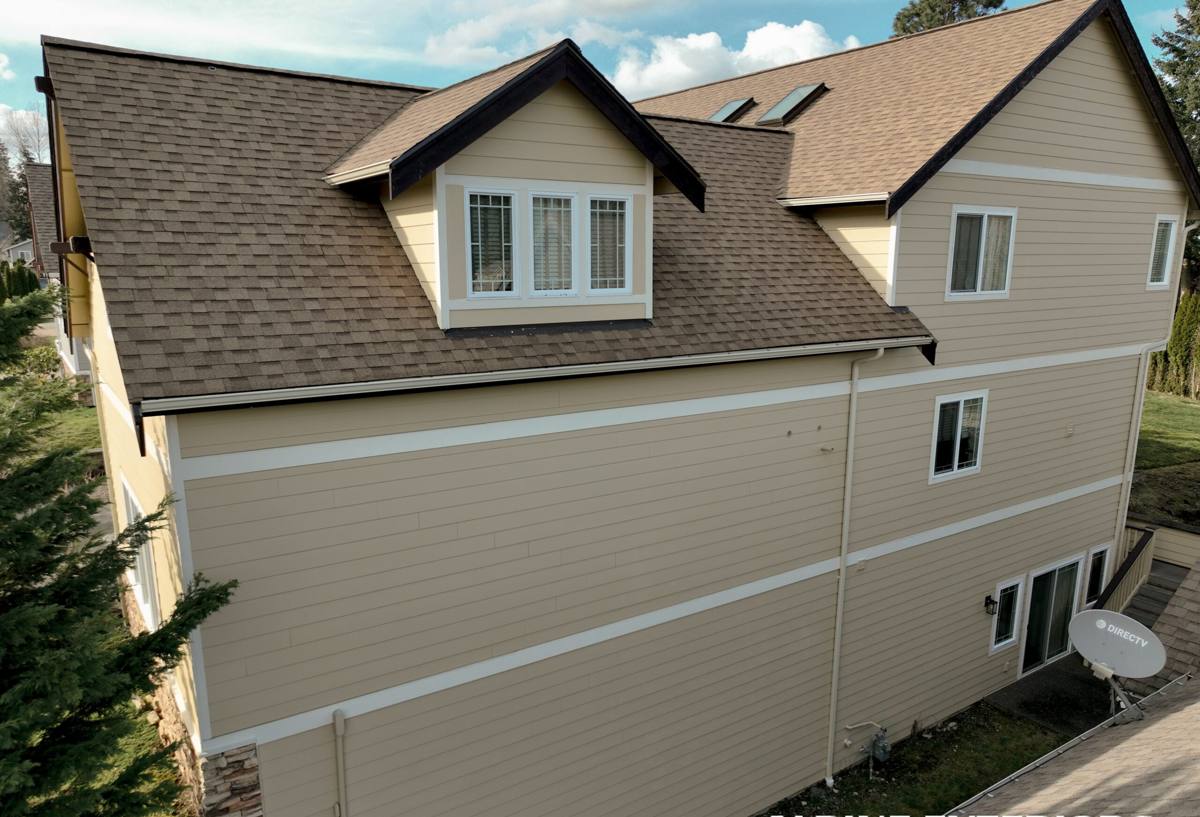
How the Local Climate Wears Down Windows
Salt Air and Metal Fatigue
Salt-laden air corrodes exposed metal hardware, screws, and older aluminum frames faster than it would further inland. Latches get stiff, hinges pit, and weep holes clog with residue. This isn't a defect in any one product — it's just what coastal exposure does over years, and it means fasteners and hardware finishes matter more here than in a lot of other markets.
Driving Rain and Wind-Driven Moisture
Storms off the Sound and the Strait don't always come straight down — wind pushes rain sideways into wall assemblies, which puts real pressure on flashing details and sealant joints. A window that's caulked well but not properly flashed can look fine for a year or two and still be feeding water into the wall cavity behind the trim.
Moss, Algae, and Shade
Columbia has enough tree cover and cloud cover that north- and west-facing walls stay damp for long stretches, especially in winter. That moisture holds against sills and frames, and it's exactly the environment moss and mildew like. Frame material and sill design both affect how well a window sheds that moisture instead of holding it.
Signs a Columbia Home Needs Window Attention
- Fogging or a milky haze between panes — the seal has failed and the insulated glass unit needs replacing
- Soft or discolored trim and sill wood, especially on the weather-facing side of the house
- Windows that are hard to open, stick in humid weather, or won't latch tightly
- Visible gaps, cracked caulk, or daylight showing around the frame
- A cold draft near the window even when it's fully closed
- Condensation forming on the inside of the glass regularly in winter
- Moss or dark staining building up on the sill or lower frame
Any one of these can be minor. Several together usually mean the window — or the flashing behind it — is past the point where caulk and weatherstripping will fix it.
What a Correct Window Installation Actually Involves
The window unit itself is often the easy part. The details that determine whether it lasts happen at the rough opening, before the new window ever goes in.
Removal Without Damage
Old windows come out carefully so we can see the actual condition of the framing, sheathing, and sill underneath. This is where hidden rot or old water damage from a previous poor installation usually shows up, and it needs to be dealt with before anything new goes in — covering it up just hides the problem for the next owner.
Flashing and Water Management
Proper flashing directs any water that gets past the exterior trim back out, not into the wall. That means correctly lapped house wrap, sill pan flashing, and side and head flashing installed in the right order — not just a bead of caulk around the perimeter. In a climate with this much wind-driven rain, flashing sequence is the single biggest factor in whether a window stays dry for the next twenty years.
Air Sealing and Insulation
The gap between the window frame and the rough opening gets sealed with a proper low-expansion foam or backer rod and sealant — not stuffed with loose fiberglass, which does nothing to stop air movement and can hold moisture against the frame.
Level, Plumb, and Square
A window that's out of square binds, leaks air around the sash, and puts uneven stress on the seals. We shim and check this on every unit, not just the ones that look off.
Exterior Trim and Finish
The final trim and caulking are what you see, but they're only reliable when everything underneath was done right first. We finish with materials suited to sun and moisture exposure so the trim doesn't become the next thing that fails.
Our Process, Start to Finish
- Walkthrough and assessment — we look at each window's condition, the framing behind it where accessible, and how the house is oriented to wind and rain
- Honest recommendation — replacement where it makes sense, repair where it doesn't; we'll tell you if a window doesn't need full replacement yet
- Product selection — frame material, glass package, and hardware chosen for the specific wall's sun and moisture exposure
- Written estimate — clear scope, materials, and price before any work starts
- Careful removal — old units out, framing inspected and repaired as needed
- Correct flashing and installation — sill pan, house wrap integration, air sealing, and squaring
- Exterior and interior finish — trim, caulking, and touch-up
- Final walkthrough — every window opened, closed, and checked with you before we call it done
Choosing a Frame Material for This Climate
There's no single "best" window material — the right choice depends on the wall's exposure, your maintenance preference, and budget. Here's how the common options hold up in a salt-air, high-rain environment like Columbia's:
| Frame Material | Moisture & Salt Performance | Maintenance | Typical Trade-Off |
|---|---|---|---|
| Vinyl | Won't corrode or rot; handles salt air well | Low — occasional cleaning | Frame color and size options are more limited than wood or fiberglass |
| Fiberglass | Very stable in wet, temperature-swinging conditions; strong moisture resistance | Low | Higher upfront cost than vinyl |
| Aluminum | Conducts cold and can corrode faster in salt air without a marine-grade finish | Moderate — hardware needs attention over time | Best reserved for specific architectural styles, not our default recommendation here |
| Wood / Wood-Clad | Handsome, but exterior wood needs consistent upkeep to resist this area's damp, shaded conditions | Higher — periodic painting or staining and moisture checks | We install these when the look is a priority and the homeowner is committed to the upkeep |
For most Columbia homes exposed to real weather, we lean toward vinyl or fiberglass for their combination of low maintenance and consistent moisture performance — not because other materials are bad, but because they demand more upkeep in this specific climate to perform the same way over time.
What Affects the Cost
| Factor | Why It Matters |
|---|---|
| Number and size of windows | Larger openings and full-house replacements naturally scale with material and labor |
| Frame material | Vinyl is typically the most budget-friendly; fiberglass and wood-clad cost more upfront |
| Glass package | Double-pane low-E glass is standard for this climate; upgraded coatings or triple-pane add cost |
| Condition of the rough opening | Hidden rot or old water damage found during removal adds repair time before the new window goes in |
| Access and second-story work | Upper-floor or hard-to-reach windows take more time and equipment |
| Trim and finish scope | Matching existing trim profiles or repainting exterior trim adds to the job |
We won't quote a number without seeing the windows — every house carries its own mix of these factors, and part of an honest estimate is telling you upfront if we expect to find hidden issues once removal starts.
Why Hiring a Crew That Already Works in Columbia Matters
Window installation done well is mostly about details you won't see once it's finished — flashing sequence, sealant choice, how the sill sheds water. A crew that regularly works in Columbia and the surrounding Bellingham area has already seen how houses of this age and construction style behave in this exact climate: which orientations take the worst weather, where moss tends to build up first, and what a previous poor installation typically looks like underneath the trim. That local pattern recognition is the difference between an installation that just looks right on day one and one that's still performing correctly in fifteen years of Whatcom County rain.
Keeping New Windows Performing Long-Term
- Rinse salt residue and debris off frames and tracks a couple of times a year, more often on ocean-facing walls
- Clear weep holes so water can drain out instead of pooling in the frame
- Check and refresh exterior caulking if you notice cracking or gaps forming
- Keep gutters and downspouts clear so roof runoff isn't dumping extra water near window heads
- Trim back vegetation that keeps a wall shaded and damp, which encourages moss growth
- Test locks and hardware seasonally, especially after a stretch of wet weather
None of this is heavy maintenance — it's mostly a matter of not letting moisture and salt sit against the frame for months at a time.
If you're noticing drafts, fogged glass, or moss building up around your windows, we're happy to come take a look. We'll give you a straight assessment of what's actually needed — and a free, no-pressure estimate — with no obligation to move forward.