 Bellingham
 Windows Built for What Columbia's Weather Actually Does
Columbia sits close enough to Bellingham Bay that salt air is a real, daily factor for anything metal or painted on the outside of a house — not an occasional coastal storm event. Add Whatcom County's long wet season, months of driving rain off the water, and the moss growth that comes with all that moisture sitting on north-facing surfaces, and you get a set of conditions that are hard on window frames, seals, and the wood or trim around them. A window that's fine in a drier inland climate can fail years earlier here if it wasn't installed with this specific environment in mind.
Window replacement in this neighborhood isn't just about picking a style you like. It's about choosing materials and installation details that hold up to repeated wetting and drying cycles, resist the fine salt film that settles on glass and hardware near the water, and shed wind-driven rain instead of letting it work its way behind the trim.
How to Tell a Columbia Home Needs Replacement, Not Just Repair
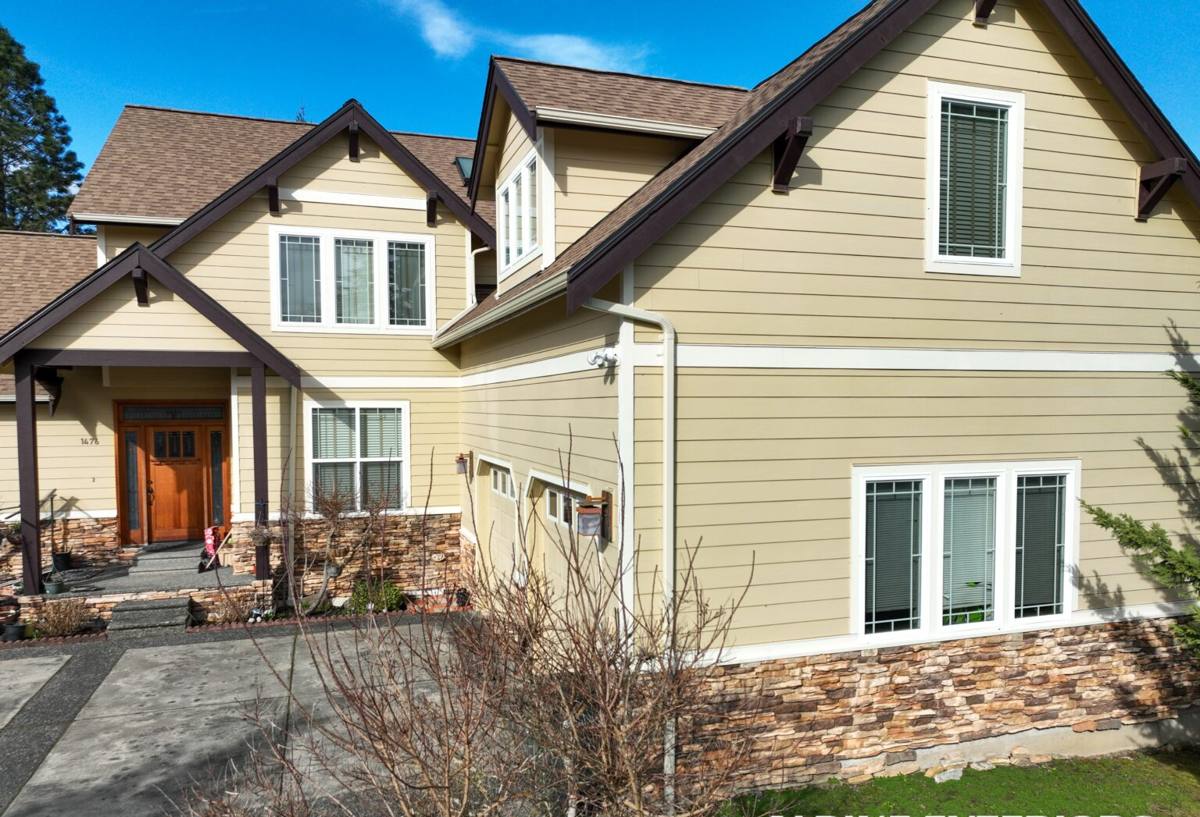
Columbia has a good mix of older, established homes and newer infill construction. The older housing stock in particular is where we see windows reaching the end of their service life — original single-pane units, early-generation dual-pane replacements from decades ago, or aluminum-frame windows that were common in mid-century construction. None of those hold up indefinitely against this climate.
- Fogging or a hazy film between the panes — the seal has failed and the gas fill (or just the airspace) is compromised
- Windows that feel cold to the touch or let in a draft even when fully latched
- Wood trim or sills that are soft, discolored, or show paint failure around the window opening
- Difficulty opening, closing, or latching — frames have swelled, warped, or racked out of square
- Visible condensation on the inside of the glass during cold, wet weeks
- Moss or persistent green staining building up on horizontal trim above or below the window
Any one of these can sometimes be addressed with a repair. Several at once, especially on a home more than 25-30 years old, usually means the windows are past the point where repair makes sense and replacement is the more honest recommendation.
What a Correct Window Replacement Job Involves Here
Removal and a real look at what's underneath
Pulling the old window is also the only chance to see the condition of the rough opening, the sheathing, and the framing around it. In a climate that drives rain sideways for months at a time, it's common to find some degree of moisture staining or minor rot at the sill or jack studs, especially on walls that face the prevailing weather. A crew that rushes this step and just drops a new window into a bad opening is setting up the next round of damage.
Flashing and moisture management
This is the detail that matters most in a marine climate and the one that's easiest to shortcut. Properly lapped flashing tape, a sloped sill pan, and correct integration with the house's water-resistive barrier are what keep wind-driven rain from tracking behind the window and into the wall cavity. Caulk alone is not a substitute for correct flashing sequencing — it's a finish detail, not a waterproofing strategy.
Insulation and air sealing
The gap between the new window frame and the rough opening needs to be filled with a compatible low-expansion foam or backer rod and sealant — not stuffed with fiberglass batting, which does nothing to stop air movement and can hold moisture against the frame.
Installation and finish
The window gets shimmed square and plumb, fastened per the manufacturer's schedule, and finished with exterior trim and sealant rated for the product. On homes with wood trim, this is also a natural point to address any siding or trim repair needed at the opening before it's painted or capped.
Choosing the Right Window for a Marine Climate
There's no single "best" window material for every home — it depends on budget, how exposed the wall is to weather, and how much upkeep you want to take on. Here's how the common options actually compare for a house in this area.
| Material | How it handles salt air & moisture | Maintenance | Typical lifespan here |
|---|---|---|---|
| Vinyl | Won't corrode or rot; performs consistently in wet, salty air | Low — occasional cleaning | 20-30 years |
| Fiberglass | Very stable, resists expansion/contraction from temperature and moisture swings | Low | 30-40 years |
| Aluminum | Conducts cold and can corrode or pit over time near salt air unless well-coated | Moderate | Varies widely; often shorter near the water |
| Wood (clad exterior) | Good performance if the cladding and flashing are correct; exposed wood is vulnerable | Higher — exterior cladding still needs periodic attention at joints | 20-30+ years with upkeep |
For homes in Columbia specifically, given the salt air and rain exposure, we most often recommend vinyl or fiberglass frames for the primary weather-facing elevations. That's a maintenance and moisture-behavior judgment on our part, not a knock on wood-clad or other products — some homeowners have good reasons to prioritize a specific look or match an existing aesthetic, and we'll install what's right for the house and have an honest conversation about the trade-offs either way.
Our Process From First Call to Final Walkthrough
- Free on-site estimate — we look at each window opening, note framing or trim condition, and measure
- Product selection — we walk through material, glass package, and grille options based on your home and budget
- Written quote with a clear scope, so you know exactly what's included before any work starts
- Scheduling — we plan around the weather where possible, since dry stretches make for cleaner flashing work
- Removal, opening inspection, and any needed framing or trim repair before the new window goes in
- Installation with proper flashing, shimming, insulation, and sealant
- Exterior and interior finish work, cleanup, and a final walkthrough with you
What Affects the Cost
Every home is different, so we don't quote sight unseen, but these are the main factors that move the price up or down.
| Factor | Why it matters |
|---|---|
| Window size and configuration | Larger units, specialty shapes, or multi-panel combinations cost more than a standard single or double unit |
| Frame material | Vinyl is typically the most budget-friendly; fiberglass and wood-clad cost more upfront |
| Condition of the existing opening | Rot or framing repair found during removal adds labor and material beyond the window itself |
| Glass package | Upgraded low-E coatings or gas fills for better energy performance add cost but pay back over time |
| Number of windows and access | Whole-house jobs get better per-unit pricing than single replacements; second-story or hard-to-access windows take more labor |
| Exterior finish requirements | Matching existing trim, siding repair, or repainting around the new window adds scope |
A Checklist Before You Sign With Anyone
- Do they inspect the actual opening condition before quoting, or just measure and quote from the outside?
- Is flashing and moisture management described specifically in the written scope, not just "install window"?
- Do they carry current liability insurance and, where required, a valid contractor license for work in Washington?
- Is the manufacturer's warranty and the installer's own labor warranty spelled out separately?
- Can they explain why they recommend a specific material for your specific wall, not just their default product?
- Do they give you a written, itemized quote before any deposit or work begins?
Why a Crew That Already Works Columbia Matters
A crew that regularly works homes in and around Columbia has already seen what this specific stretch of Bellingham does to windows over time — which elevations take the worst of the weather, what condition to expect behind older trim, and how much moss buildup on a sill usually means underneath. That's not something you can fully substitute with a general checklist. It shows up in fewer surprises during removal, flashing details that are already dialed in for this climate, and a realistic sense of what a given home actually needs versus what's just an upsell.
It also matters after the job is done. Windows installed correctly for a marine climate should need very little from you for years — but if a question ever comes up, working with a crew that's local and easy to reach beats chasing down a company that was only in the area for one job.
If your windows in Columbia are fogging, drafting, sticking, or just showing their age, we're happy to come take an honest look. The estimate is free, there's no pressure, and you'll get a straight answer about whether replacement makes sense now or repair can buy you more time — use the form below to get started.