 Bellingham
 Ferndale Decks Face a Tougher Job Than Most
Ferndale sits close enough to the water and open farmland that decks here take a different kind of beating than a deck built inland or further south. You've got salt-laden air moving in off the Strait and the bay, driving rain that comes in sideways more often than straight down, and a moss season that can run from October well into April. A deck built with generic, catalog-spec materials and standard framing details might look fine for the first year or two. Then the moss creeps in, the fasteners start weeping rust stains, and the boards start cupping. We build decks in Ferndale the way this specific climate requires, not the way a deck gets built in a dry climate spec sheet.
This page is about one thing: custom deck construction for Ferndale homes, and what actually holds up here in Whatcom County's marine climate.
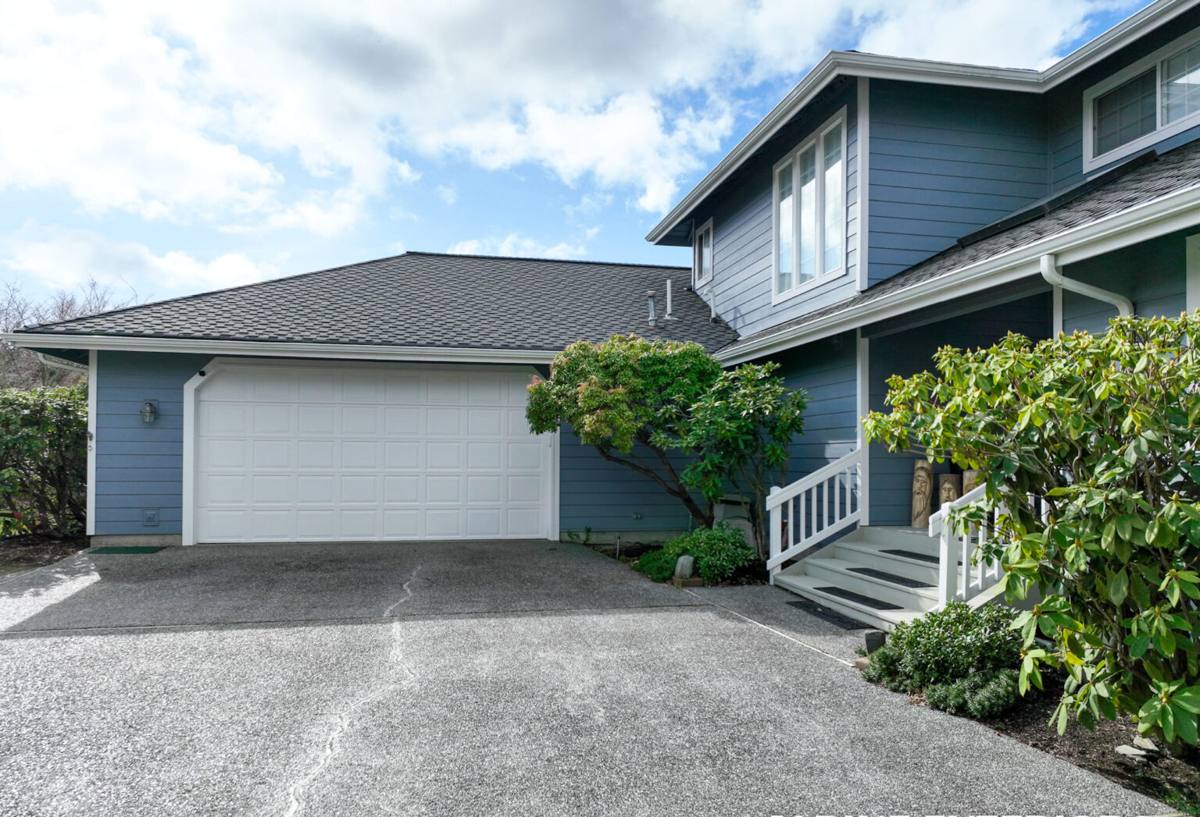
What Salt Air, Rain, and Moss Actually Do to a Deck
It helps to understand the mechanism, not just the symptom, because it changes what you should ask a contractor to do differently.
Salt Air
Airborne salt accelerates corrosion on any exposed metal — screws, joist hangers, structural bolts, railing brackets. A fastener rated for general exterior use can start showing surface rust within a season or two this close to the water. Once a fastener corrodes, it loses holding strength long before it looks obviously bad, which is part of why hardware selection matters more here than in a lot of other regions.
Driving Rain
Wind-driven rain doesn't just fall on a deck, it gets pushed sideways into ledger connections, under poorly flashed rim joists, and into any gap where two boards or two materials meet. Standing water that can't drain fast enough is the single biggest cause of premature rot in deck framing we see in this area. Slope, gapping, and flashing details matter more here than the decking material itself.
Moss and Organic Growth
Moss needs shade, moisture, and something to grip. Whatcom County gives it all three for most of the year. Moss holds moisture against the deck surface long after the rain has stopped, which keeps wood wetter for longer and gives algae and mildew a foothold too. On composite and PVC decking, moss is mostly cosmetic and cleans off. On wood, moss and the moisture it traps are a direct path to surface decay if the deck isn't cleaned and treated on a schedule.
Decking Material Options for Ferndale Homes
There's no single "best" decking material — there's a best material for your budget, your maintenance appetite, and how exposed your specific site is to sun, shade, and weather. Here's how the common options actually perform in this climate, honestly.
| Material | How It Handles This Climate | Maintenance Reality | Rough Lifespan |
|---|---|---|---|
| Pressure-treated wood | Affordable, but most prone to cupping, splitting, and moss growth without regular upkeep | Annual cleaning, periodic staining or sealing | 10-15 years before major repair or replacement |
| Cedar | Naturally rot-resistant and handles moisture well, but still needs UV and moisture protection | Cleaning plus re-staining every 2-3 years to hold color and protection | 15-20 years with upkeep |
| Composite decking | Sheds moisture well, doesn't absorb water into the board core, moss wipes off rather than embedding | Periodic washing, no staining or sealing | 25-30 years, brand-dependent warranty |
| PVC/capped polymer | Fully sealed surface, best resistance to moisture and organic growth of the common options | Occasional washing only | 25-30+ years, brand-dependent warranty |
We install all of these depending on what a homeowner wants and what their budget allows. What we won't do is install a low-grade composite board over framing that hasn't been detailed for drainage, because the board choice doesn't fix a substructure that traps water. The framing underneath is doing more work than people assume.
A Note on Fasteners and Hardware
Given the salt air, we spec stainless steel or heavy-coated hardware for structural connections on Ferndale jobs rather than the cheapest galvanized option. It costs more up front. It's a small line item against the cost of a railing post that loosens because the bracket rusted through in six years.
Framing and Substructure: Where Most Deck Failures Actually Start
A deck that fails early almost never fails because the decking boards wore out. It fails because water got into the framing and nobody could see it happening until a board felt spongy or a post started to lean. A correctly built substructure for this climate includes:
- Ledger flashing that directs water away from the house wall, not just a bead of caulk behind the ledger board
- Joist tape or a moisture barrier on top of joists so fasteners don't create a wick point straight into the wood
- Proper slope away from the house, even if it's subtle, so water doesn't pool against the foundation or ledger
- Gapping between deck boards sized for the material and for our rainfall, not the minimum gap on a spec sheet written for a drier region
- Post bases that keep wood posts off grade contact, since ground-level moisture combined with our rain is a fast track to rot at the base
None of this is visible once the deck is finished. It's the part of the job that determines whether you're calling us back in 8 years for a full rebuild or in 25 years to talk about a refresh.
Design Considerations Specific to Ferndale Properties
Ferndale's mix of open, farmland-adjacent lots and more wooded residential areas means sun and wind exposure varies a lot from property to property, and that changes the right design call.
Shaded, Tree-Covered Lots
More shade means slower drying after rain and more moss pressure. On these sites we lean toward composite or PVC decking, wider board gapping, and we'll talk through whether some tree trimming for airflow makes sense — that's a conversation for an arborist, but we'll flag it if we see it.
Open, Wind-Exposed Sites
More direct exposure to wind off the water means driving rain hits harder and more often. Railing and fastener choices matter more here, and we pay closer attention to flashing detail at the ledger.
Elevation and Grading
If your lot has any low spots near the deck footprint, water management planning happens before we set posts, not after the deck is built and you notice standing water underneath it.
Our Process, Start to Finish
- Site visit and assessment — we look at sun exposure, drainage, existing structure if it's a rebuild, and how the deck will actually get used.
- Design and material conversation — honest tradeoffs on wood versus composite versus PVC for your budget and your site's exposure, not a sales pitch toward the highest-margin option.
- Written estimate — clear scope, materials, and price before anything is scheduled.
- Permitting — most deck projects in Ferndale and unincorporated Whatcom County need a permit depending on size and height; we handle that process.
- Build — framing and moisture detailing first, decking and railing second, with inspections at the stages that require them.
- Final walkthrough — we go over the finished deck and, if it's wood, what a realistic maintenance schedule looks like for your specific site.
Maintenance Checklist for a Whatcom County Deck
Whatever material you choose, a little seasonal attention keeps a deck performing the way it should through our wet months. Here's a simple baseline:
- Sweep debris and standing leaves off the deck surface regularly through fall — trapped leaves hold moisture and feed moss
- Rinse or lightly scrub moss and algae off the surface before it gets established, ideally in early fall before the heavy rains set in
- Check gaps between boards each spring and clear out any compacted debris that's blocking drainage
- Inspect railing posts and structural connections yearly for looseness, especially after a hard winter
- For wood decks, re-stain or reseal on the schedule appropriate to your product, don't wait until it visibly needs it
- Keep an eye on the area underneath the deck for standing water or signs of rot on framing members
Why a Local Bellingham Crew Matters for a Ferndale Job
A contractor who mostly builds decks in drier inland climates and takes an occasional Whatcom County job is going to default to their normal specs — because that's what's worked for them elsewhere. A crew that works Ferndale, Bellingham, and the surrounding county regularly builds differently by default: the flashing detail, the hardware grade, the board gapping, the drainage planning. Those aren't upsells, they're what we've seen actually matter after watching decks age in this specific climate for years. We also know the local permitting process and inspection expectations, which keeps the project moving instead of stalling on paperwork we're unfamiliar with.
Ready to Talk Through Your Deck
If you're planning a new deck or replacing one that's showing its age, we're happy to walk your property, talk through material options honestly, and put together a clear estimate — no pressure, no obligation. Use the form below to get started.