 Bellingham
 Decks Built for the Way Sudden Valley Actually Sits
Sudden Valley is a different animal from a typical in-town Bellingham lot. Homes here sit close to Lake Whatcom, tucked into tree cover, on slopes and terraced yards that don't always give you a flat, sun-baked building site. That combination — shade, moisture off the lake, and forest debris — changes how a deck ages compared to a deck built out on open ground in a drier part of Whatcom County. We've built and repaired decks throughout this neighborhood long enough to know which corners get skipped by out-of-town crews, and which details actually matter once the rain settles in for the season.
A deck built for Sudden Valley isn't a different product than a deck built anywhere else in western Washington — it's the same good framing and material choices, applied with extra attention to drainage, airflow, and shade tolerance because this site works against a deck harder than most.
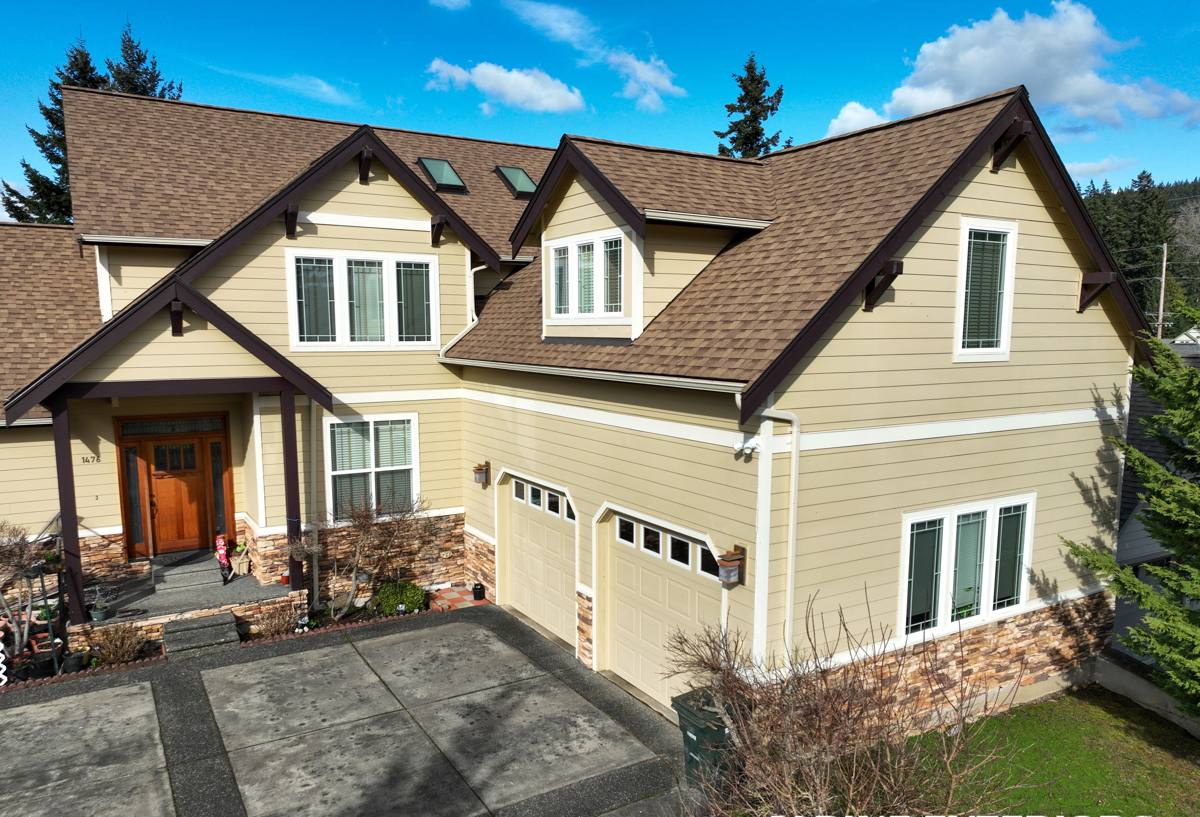
What Bellingham's Climate Does to a Deck Here
Whatcom County's marine climate means long stretches of driving rain, high humidity, and short winter daylight — conditions that keep wood surfaces damp for days at a time. Add Sudden Valley's tree canopy and lake-adjacent air, and you get two problems that show up faster here than on an open lot: moss and slow-drying framing.
Moss and Algae
Shaded, damp decking is exactly what moss wants. Once it takes hold on boards or stairs, it holds moisture against the wood surface and turns walking surfaces slick — a real slip hazard on stairs and ramps. Moss isn't just cosmetic; left alone, it accelerates surface decay on wood decking and can stain composite boards if it's not addressed early.
Trapped Moisture in the Framing
The bigger issue is usually invisible: joists, beams, and ledger connections that stay wet longer because sun and wind can't reach under a shaded deck to dry things out between storms. That's where rot actually starts — not on the visible decking, but in the structure underneath it.
Debris Load
Needles, leaves, and seed litter from surrounding trees collect between boards and in stair treads, holding water against the wood and clogging drainage gaps. A deck built without enough spacing or slope for water to shed becomes a debris trap within a season or two.
Choosing the Right Decking Material for This Site
There's no single "best" decking material — the right call depends on how much sun a given deck actually gets, how much maintenance a homeowner wants to do, and budget. For shaded, lake-adjacent lots like most of Sudden Valley, we weigh moisture behavior more heavily than we would on a full-sun lot elsewhere in the county.
| Material | Moisture Behavior | Maintenance | Typical Lifespan Here |
|---|---|---|---|
| Pressure-treated wood | Absorbs and releases moisture readily; needs to dry out between rains | Annual cleaning, periodic sealing | 15–20 years with upkeep, less in deep shade without it |
| Cedar | Naturally rot-resistant but still needs to dry; darkens/greys without maintenance | Cleaning and refinishing every 1–2 years | 15–25 years with consistent care |
| Composite decking | Doesn't absorb water into the board, but can trap moisture and grow surface algae/moss if debris isn't cleared | Periodic washing; no sealing or staining | 25+ years, manufacturer-warrantied |
Composite tends to be a strong fit for Sudden Valley's shaded lots specifically because it won't rot from moisture absorption the way wood can — but it still needs airflow underneath and regular clearing of leaf litter, since surface growth can happen on any material left damp and dirty long enough. We'll walk through the honest maintenance trade-offs for each option before you commit, rather than pushing whatever has the best margin.
Substructure and Footings: Where Failures Really Start
Most deck problems we get called out to repair in this area aren't failed decking boards — they're failed framing underneath boards that still look fine on top. On sloped or terraced Sudden Valley lots, this matters even more because footing depth and post height often vary across a single deck.
- Footings sized and set below frost depth, not just poured to "look deep enough"
- Ledger board flashed and sealed properly where it meets the house — this is the single most common point of hidden rot on older decks
- Joist spacing and hangers rated for the actual load and span, not stretched to save lumber
- Gaps between boards sized to shed water and debris rather than trap it
- Post bases set to keep wood off standing water, with drainage routed away from the structure
- Adequate clearance and airflow underneath the deck, especially on shaded, low-to-grade sections
If any of these get shortcut, the deck can look solid for a few years before problems surface — usually right around the ledger connection or the lowest, shadiest corner of the structure.
Permits and Site Considerations
Deck work at this scale typically requires a building permit through Whatcom County, and elevated decks or those attached to the house have specific structural requirements around railings, stair geometry, and ledger attachment. If your property falls under any community architectural review process, that's worth checking before design work goes too far — we're happy to help you figure out what applies to your specific lot rather than guessing. We handle the permitting and inspection process as part of the job so you're not chasing paperwork.
Our Deck Building Process
We keep the process straightforward and communicate at each stage, since deck projects touch your yard and access to your home for several days.
1. Site Visit and Design
We look at sun exposure, drainage, slope, and how the deck will actually be used — entertaining, grilling, a quiet spot by the trees — and design footings and layout around your site's real conditions, not a generic template.
2. Material Selection
We go over the honest pros and cons of wood versus composite for your specific spot, including which parts of your yard get the most shade and moss pressure, so the recommendation fits your lot and your maintenance appetite.
3. Permitting
We prepare and submit what's required through the county and schedule inspections at the right points in the build.
4. Framing and Footings
This is where we spend the extra care — proper footing depth, correctly flashed ledger connections, and hardware rated for the span and load, all inspected before decking goes down.
5. Decking, Railings, and Finish
Boards, railings, and stairs go in with attention to drainage gaps and debris clearance so the deck sheds water and litter instead of collecting it.
6. Walkthrough
We walk the finished deck with you, cover basic care for whatever material you chose, and answer questions before we consider the job done.
Maintaining a Deck in a Shaded, Lakeside Setting
Whatever material you choose, a little seasonal attention goes a long way toward preventing the moss buildup and moisture problems that are more common here than on open lots.
- Sweep leaves and needles off the deck and out of board gaps regularly during fall
- Rinse or gently wash surfaces at least once or twice a year to stop moss and algae before they establish
- Check stairs and high-traffic areas for slickness after long rainy stretches
- Keep gutters and downspouts near the deck clear so runoff isn't dumping extra water onto or under it
- Inspect the ledger connection and framing underneath annually for soft spots or staining
- For wood decks, plan on cleaning and sealing on a regular cycle rather than waiting until boards look grey and dry
- Trim back overhanging branches where practical to let more light and air reach the deck surface
Why a Crew That Already Works in Sudden Valley Matters
A contractor who's worked this neighborhood knows the site challenges before they show up — sloped lots that need extra footing planning, tree cover that changes material recommendations, and the drainage issues that come with lake-adjacent ground. That's fewer surprises mid-project and a design that accounts for your actual conditions from day one, instead of a generic deck plan that struggles against moss and moisture within a couple of seasons.
We build decks meant to hold up to Bellingham's rain and Sudden Valley's shade — not just look good on installation day.
Get a Free Estimate
If you're planning a new deck or need to know whether an existing one is sound, we're glad to take a look. Fill out the form below for a free, no-pressure estimate — we'll walk your site, talk through material options for your specific spot, and give you a straight answer.