 Bellingham
 Windows Built for Cordata's Weather, Not Just Its Openings
Cordata sits inland enough from Bellingham Bay to feel a little different from the waterfront neighborhoods, but it still gets the same marine air, the same long wet stretches from October through May, and the same moss-friendly humidity that defines exterior work anywhere in Whatcom County. Windows here don't fail because the glass wears out. They fail because the seals, flashing, and frame materials around the glass slowly lose their fight with moisture. A custom window job in Cordata has to account for that from the start, not patch around it later.
"Custom" doesn't mean expensive or elaborate. It means the window is sized, flashed, and detailed for the actual opening and the actual wall assembly it's going into — instead of forcing a stock size into a rough opening and caulking over the gaps. On older Cordata homes with settled framing, and on newer builds with modern house wraps, that distinction matters just as much.
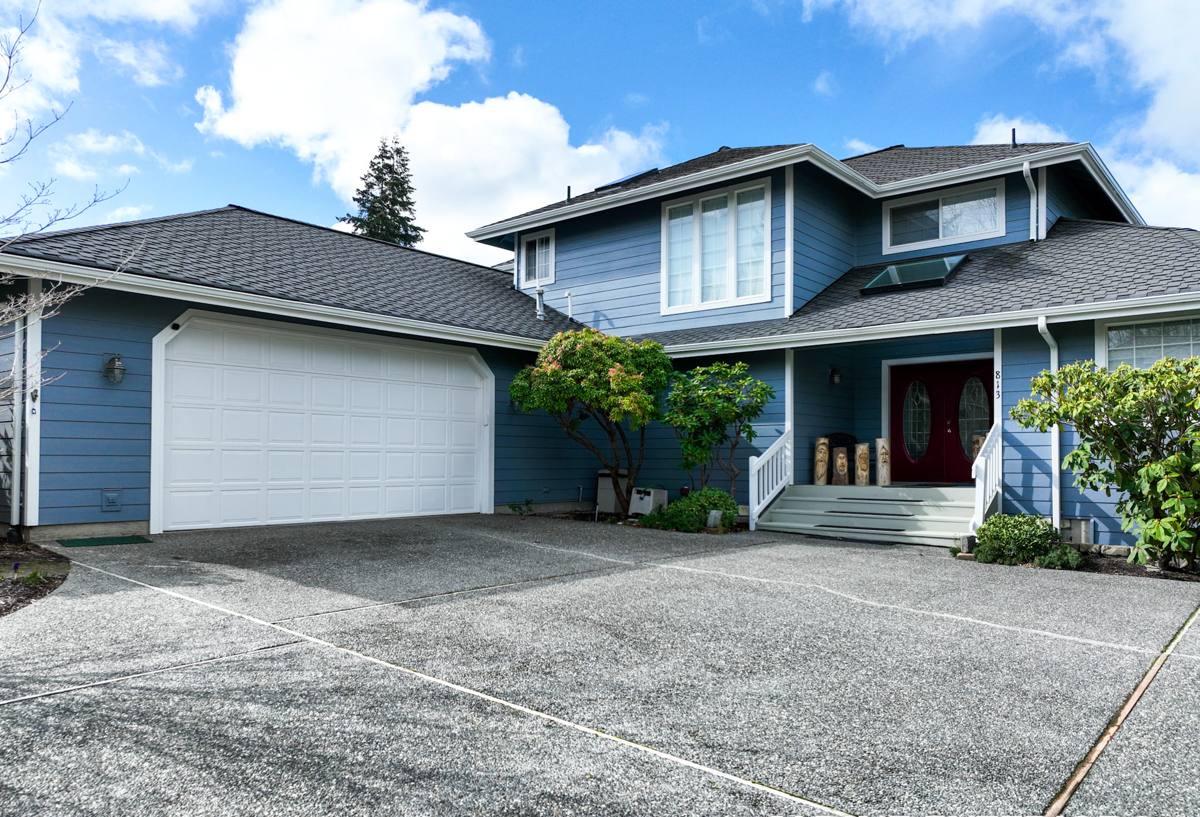
What the Regional Climate Actually Does to Windows
It helps to be specific about the failure modes we see, because they drive most of the decisions in a good installation.
Salt Air and Metal Components
Bellingham's proximity to the bay means airborne salt reaches inland neighborhoods like Cordata more than most homeowners expect. Salt-laden moisture accelerates corrosion on window hardware — hinges, locks, balance mechanisms, and especially lower-grade aluminum or unclad components. Over years, this shows up as stiff or failing hardware long before the glass or frame itself is a problem.
Driving Rain and Wind-Driven Water Intrusion
Whatcom County storms frequently bring rain sideways, not straight down. That means water is pushed against and around window units under pressure, not just falling on top of them. Flashing details that would be adequate in a drier, calmer climate — a bead of caulk instead of a proper drainage plane, a missing sill pan, a head flashing that doesn't extend far enough past the trim — get exposed here. Water finds the shortcut and works into the wall cavity.
Moss, Algae, and Sustained Humidity
The long moss season isn't just a roof problem. Sustained damp conditions around window sills and trim create the same growth on horizontal ledges, especially on the shaded north and east sides of a house. Wood trim and sills that stay wet longer than they dry are the first place rot and organic growth take hold, and once moss establishes itself it holds moisture against the surface even longer — a cycle that accelerates decay if the drainage and airflow around the window aren't right in the first place.
What "Correct" Actually Involves
A window replacement or new install that's going to hold up in Cordata's conditions isn't just "measure, order, pop it in." The parts that matter most are the parts you can't see once the trim goes back on.
- A sill pan or sloped sill flashing that directs any water that gets past the window back outside the wall, not into the framing
- Proper shingle-lap sequencing of house wrap and flashing tape — top layer always overlapping the one below, so water sheds downward and outward
- Head flashing sized to actually clear the window trim, not just cover the gap
- Correct, even shimming so the frame isn't racked or bowed, which stresses seals and hardware prematurely
- Low-expansion foam or backer rod and sealant at the right points — not foam everywhere, which can bow thin vinyl frames
- Weep holes and drainage paths left clear and functional, not accidentally sealed shut
- Interior and exterior sealant that's rated for this climate's temperature swings and UV exposure
Skip any one of these and the window can look fine for a year or two while moisture quietly works behind the wall. That's the pattern we see most often on service calls — not obvious installation mistakes, but shortcuts that only show themselves once the wood starts to soften.
Choosing Frame Materials for This Climate
Frame material matters more in a marine climate than in a dry one, because the material has to tolerate sustained moisture exposure and repeated wet-dry cycling, not just occasional rain.
| Frame Material | How It Handles Local Conditions | Maintenance Reality |
|---|---|---|
| Vinyl | Won't rot or corrode; handles moisture well; can flex in temperature swings if poorly reinforced | Low — occasional cleaning, no painting or sealing |
| Fiberglass | Very stable dimensionally, resists moisture and UV well, holds paint if desired | Low — durable finish, minimal upkeep |
| Wood (clad or unclad) | Best appearance for some homeowners, but bare wood is vulnerable to the region's sustained dampness | Higher — needs regular finish maintenance, more exposure to rot risk at joints |
| Aluminum | Strong and slim-profile, but uncoated or lower-grade aluminum is more susceptible to salt-air corrosion | Moderate — hardware and finish need periodic attention |
We don't push homeowners toward one material across the board — a lot depends on the home's style, budget, and how much upkeep someone wants to take on. What we do insist on is being straight about the trade-offs. Bare wood frames, for example, can look great, but in a climate with this much sustained moisture and moss pressure, they demand more attention than clad wood, vinyl, or fiberglass. That's not a knock on wood windows — it's just an honest maintenance conversation we'd rather have upfront than after a callback.
Our Process for a Cordata Window Job
1. On-Site Assessment
We look at the existing opening, the condition of the surrounding wall and trim, and any signs of past water intrusion — staining, soft wood, or failed caulk lines. This tells us whether we're doing a straightforward replacement or need to address underlying flashing or framing issues first.
2. Accurate Measurement and Product Selection
Custom sizing means the unit fits the actual opening, not a rounded-up stock size. We go over frame material, glazing options, and hardware based on the specific exposure of that window — a south-facing wall takes more sun and heat cycling, while a north or west-facing wall usually deals with more driving rain and shade-related dampness.
3. Removal and Opening Prep
Old units come out carefully so we can inspect the rough opening. Any soft framing, failed old flashing, or gaps get addressed before the new window goes in — installing a good window into a compromised opening just delays the same problem.
4. Flashing and Weatherproofing
This is where the climate-specific work happens: sill pan, properly lapped flashing tape, correct shimming, and a drainage path that actually works. It's the least visible part of the job and the most important one.
5. Installation, Sealing, and Trim
The window is set, leveled, and secured, then sealed with climate-appropriate materials at the right points — not oversealed, not underdone. Interior and exterior trim is finished to match the home.
6. Final Walkthrough
We check operation, seals, and appearance with the homeowner before considering the job done.
Signs a Cordata Home Needs New or Repaired Windows
- Visible condensation or fogging between panes (failed seal on double or triple glazing)
- Drafts you can feel near the frame even when the window is fully closed
- Soft or discolored wood on the sill, jamb, or exterior trim
- Moss or dark staining building up on horizontal sill surfaces
- Windows that are difficult to open, close, or lock — often an early sign of hardware corrosion
- Paint or finish that's peeling or bubbling specifically around the window opening, which often points to trapped moisture
Cost Factors Homeowners Should Understand
Every window job is priced around the same handful of variables, and knowing them helps a homeowner understand a quote rather than just compare a bottom-line number.
| Factor | Why It Affects Price |
|---|---|
| Frame material | Vinyl is typically the most budget-friendly; fiberglass and wood cost more upfront |
| Number and size of openings | More or larger windows mean more material, labor, and flashing work |
| Condition of the existing opening | Rot repair or reframing adds time and material beyond a straightforward swap |
| Glazing package | Double vs. triple pane, low-E coatings, and gas fills all affect both cost and performance |
| Access and site conditions | Second-story windows, tight side yards, or landscaping obstacles affect labor time |
| Custom shapes or sizes | Non-standard geometry (arches, oversized units) costs more to fabricate and install |
We give straightforward, itemized estimates so homeowners can see where the money goes rather than just a single lump figure.
Why Local Installation Experience Matters Here
A crew that mostly installs windows in drier inland climates can do fine work and still get flashing details wrong for a place like Cordata — not out of carelessness, but because the conditions they're used to don't punish small mistakes the way Whatcom County's rain and salt air do. Working in and around Bellingham regularly means knowing which wall orientations take the worst weather, which older housing stock in the area tends to have specific framing quirks, and which flashing details actually hold up through a full wet season rather than just looking right on install day.
It also means being available for warranty service and follow-up without a long drive or a scheduling gap during the busiest storm months. Window problems in this climate tend to show up gradually — a callback six months or a year after installation is normal, and a local crew is set up to handle that.
Get a Free, No-Pressure Estimate
If you're weighing a custom window project in Cordata — whether it's one problem window or a full-house update — we're happy to take a look, explain what we see, and give you a straightforward estimate with no obligation. Use the form below to get started.