 Bellingham
 Roof Repair Built for Sunnyland's Conditions
Sunnyland sits close enough to Bellingham Bay and the surrounding tree canopy that roofs here take a different kind of beating than roofs on the drier east side of Whatcom County. Salt-laden air off the bay accelerates corrosion on fasteners and flashing. Driving rain off Puget Sound finds every weak lap and undersized nail. And the shade from mature trees on many Sunnyland lots means moss and moisture sit on shingles far longer than they would in full sun. None of that is dramatic on its own — but stacked together over years, it's exactly why roof repair calls in this neighborhood tend to look different from repair calls in newer, more exposed subdivisions.
This page covers what roof repair actually means for a Sunnyland home: what typically goes wrong, what a correct repair looks like, and how we approach it when we're already familiar with the neighborhood's housing stock and terrain.
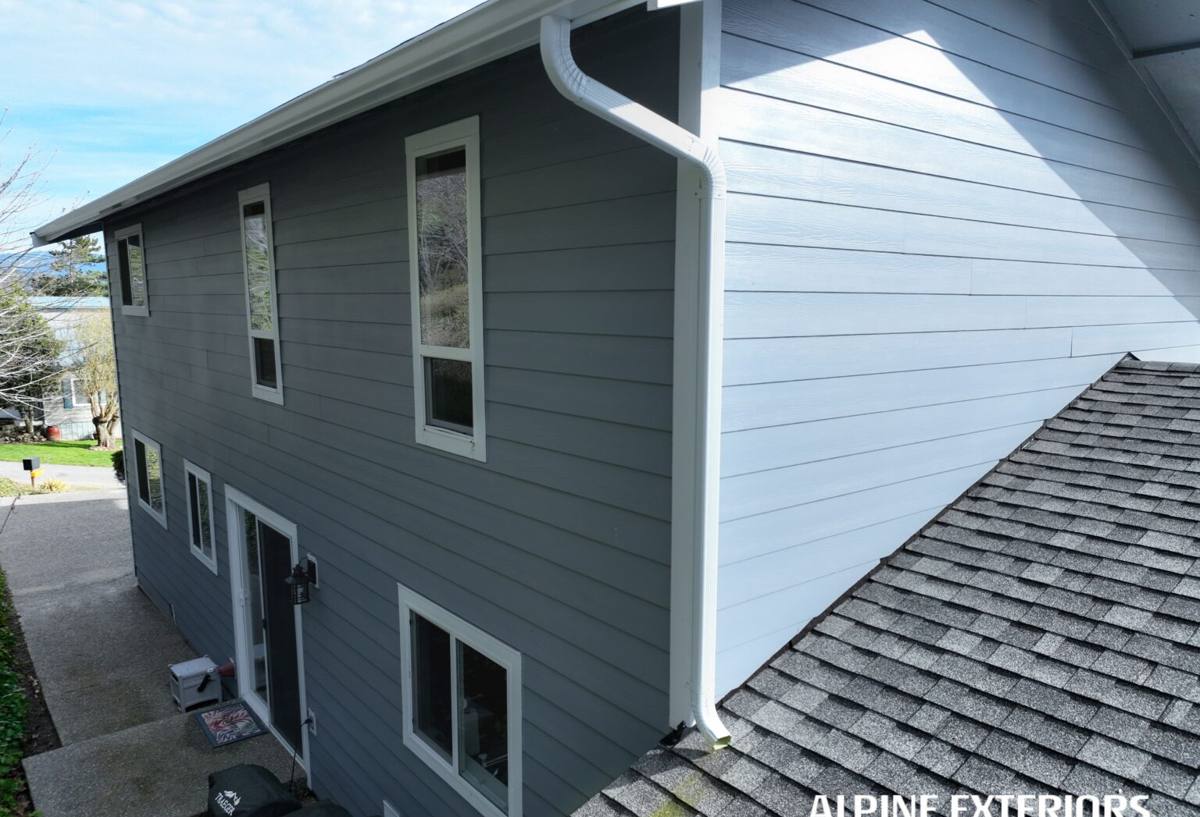
Why Sunnyland Roofs Wear the Way They Do
Salt Air and Metal Fatigue
Homes within a few miles of Bellingham Bay deal with a slow, steady corrosion load on anything metal — nail heads, flashing, gutter fasteners, vent caps. It's not sudden failure; it's premature aging. A flashing detail that would last 20 years inland might start showing rust streaks or pinhole leaks well before that near the water. When we're diagnosing a leak, checking fastener and flashing condition is one of the first things we do, not an afterthought.
Driving Rain and Wind-Driven Moisture
Bellingham's weather pattern brings rain that doesn't just fall straight down — storms off the Sound push it sideways into laps, valleys, and wall-to-roof transitions. A roof that's watertight in a light drizzle can still leak in a real Pacific Northwest windstorm if the underlayment, step flashing, or valley work wasn't done to handle horizontal water intrusion. This is a big part of why we look at valleys, skylight curbs, and chimney flashing closely on repair calls, even when the visible damage is elsewhere.
Moss, Shade, and a Long Wet Season
Many Sunnyland properties have significant tree cover, which is great for the neighborhood's character and terrible for shingle roofs. Shade keeps roof surfaces damp for days after a storm instead of hours. That moisture supports moss and algae growth, and moss doesn't just sit there looking bad — its root structure works into shingle granule beds and butt edges, lifting tabs and holding water against the roof deck. Left unaddressed through a few wet seasons, moss growth is one of the most common root causes we find behind "mystery" leaks in shaded Whatcom County neighborhoods.
Common Repair Calls We See in This Neighborhood
- Moss-related shingle lift and granule loss along the north-facing or tree-shaded slopes
- Flashing leaks at chimneys, skylights, and dormers where corrosion or original installation shortcuts have caught up with the roof
- Valley leaks during heavy, wind-driven storms even when the shingles themselves look fine
- Gutter and edge-metal failures that let water back up under the first course of shingles
- Nail pops and fastener corrosion from age and salt-air exposure, showing up as small raised bumps or isolated leak points
- Ice-dam-adjacent damage from occasional freeze events, though this is less common here than east of the mountains
Older homes in and around Sunnyland also sometimes carry roofing layers or repairs from different eras — a patch here, a re-roof over old material there. Part of an honest repair diagnosis is figuring out what's actually underneath before proposing a fix, rather than assuming the roof matches its most recent visible layer.
What a Correct Roof Repair Actually Involves
"Roof repair" covers a wide range of work, and the right scope depends entirely on what's actually failing. A good repair starts with finding the real cause of a leak or damage — not just patching the spot where water is showing up inside the house, which is often several feet away from where it's actually entering the roof.
Our General Process
- Roof and attic inspection — checking the surface, flashing, and where visible, the underside of the deck for staining or rot that points to the true leak path
- Diagnosis — identifying whether the issue is shingle damage, flashing failure, moss/moisture damage, or a combination
- Honest scope discussion — explaining what needs to be repaired now, what's worth monitoring, and what would be premature to touch
- Repair — matching materials as closely as possible, correcting the underlying cause (not just the symptom), and rebuilding proper water-shedding laps and flashing details
- Cleanup and moss/debris treatment where relevant, so the repaired area isn't immediately re-exposed to the same conditions that caused the problem
A repair that only addresses the visible symptom — say, sealing a spot without correcting the flashing lap underneath it — tends to fail again within a season or two, especially under Bellingham's rain patterns. We'd rather explain the real fix and its cost than sell a quick patch that doesn't hold.
Repair vs. Replacement: How We Think About It
Not every roof issue in Sunnyland needs a full replacement, and not every leak is fixable with a small patch. The honest answer depends on the roof's age, how widespread the damage is, and whether the underlying decking and structure are still sound.
| Factor | Leans Toward Repair | Leans Toward Replacement |
|---|---|---|
| Roof age | Under 15–18 years, asphalt shingle | Nearing or past typical shingle lifespan |
| Damage extent | Isolated to one area or detail (chimney, valley, vent) | Widespread granule loss, curling, or moss across most slopes |
| Decking condition | Solid, no soft spots found | Soft, spongy, or stained decking in multiple areas |
| Leak history | First occurrence, clear single cause | Repeated leaks in different spots over time |
| Moss/moisture exposure | Manageable with cleaning and minor repair | Chronic shade and moisture have compromised multiple courses |
We'll always tell you plainly which side of that line your roof is on, and why — including when replacement is the more cost-effective choice over the next several years rather than repeatedly patching an aging roof.
What to Check Before You Call Anyone
A few things a homeowner can safely check from the ground or attic before scheduling a repair visit — this helps us come prepared and gives you a head start on understanding your own roof:
- Look at your attic (if accessible) for staining, dark spots, or damp insulation after a heavy rain
- Note when the leak or damage shows up — during light rain, only in wind-driven storms, or constantly
- Check gutters for granule buildup, which can indicate shingle wear
- From the ground, look for visible moss patches, especially on shaded north- or east-facing slopes
- Check for any recent tree limb contact or storm debris that might have caused localized damage
You don't need to get on the roof yourself — steep pitches and wet, mossy surfaces are genuinely dangerous, which is part of why this is a job for a crew with the right harnesses and footing, not a ladder and a Saturday afternoon.
Why a Crew That Knows Sunnyland Matters
Roof repair advice that works for a dry-climate suburb doesn't automatically hold up here. A crew unfamiliar with Bellingham's rain patterns, salt-air corrosion, and heavy tree shade can misdiagnose a leak or under-scope a repair — treating it like a simple shingle swap when the real issue is a flashing detail that needs to handle sideways rain, or a moss problem that will just come back in one wet season.
Working regularly in Whatcom County neighborhoods like Sunnyland means we're used to the specific failure patterns local homes develop: where moss tends to build up given the tree cover, which flashing details struggle most with wind-driven storms, and how salt air near the bay affects fastener life. That familiarity shows up in faster, more accurate diagnosis and repairs that are built for the conditions your roof will actually face going forward, not generic conditions.
Maintenance That Extends the Life of a Repair
A well-done repair can still fail early if the rest of the roof isn't maintained. A few habits make a real difference for Sunnyland homes specifically:
- Periodic moss treatment or removal on shaded slopes, ideally before it establishes heavily
- Keeping gutters clear so water isn't backing up under shingle edges during heavy rain
- Trimming back tree limbs that keep sections of roof in constant shade or drop debris
- A visual check after major windstorms for lifted or missing shingles
- Having flashing and fastener condition checked every few years given the corrosion pace this close to the bay
None of this requires constant attention — a couple of checks a year, timed around Bellingham's wet season, catches most issues while they're still small and inexpensive to fix.
Get an Honest Look at Your Roof
If you're dealing with a leak, visible moss buildup, or just want a second opinion on a roof that's getting up in years, we're happy to come take a look. There's no pressure and no upsell — just a straight assessment of what's actually going on and what it would take to fix it right. Use the form below to request a free estimate for roof repair in Sunnyland.