 Bellingham
 Windows Built for Sehome's Weather, Not a Showroom in Phoenix
Sehome sits close enough to Bellingham Bay that salt-laden air, wind-driven rain, and months of low winter sun all show up in how a window performs — not just how it looks on install day. A window that's rated fine on paper can still fail early here if the flashing detail, glass package, and frame material weren't chosen with this specific climate in mind. Our approach to energy-efficient windows in Sehome starts with the house and the weather it actually faces, not a generic spec sheet.
Many Sehome homes mix older bungalows and mid-century houses with newer infill construction, which means window openings vary a lot from block to block — different rough opening sizes, different wall assemblies, different degrees of settling. That variation matters more for energy performance than most homeowners realize, because a window is only as efficient as the seal around it.
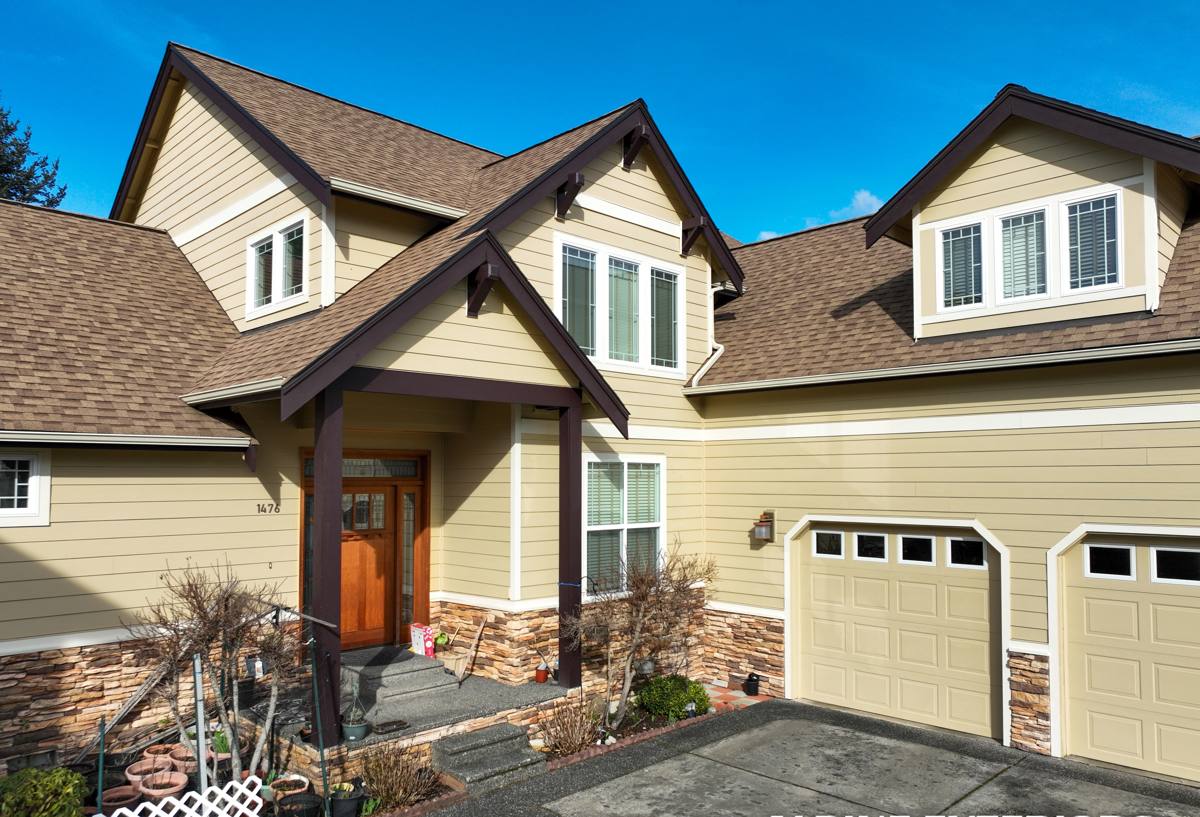
What Bellingham's Climate Actually Does to Windows
Whatcom County's marine climate is mild in temperature but hard on building materials in other ways. A handful of factors specifically affect window performance and longevity here:
- Salt air corrosion: Proximity to the bay accelerates corrosion on hardware, screws, and metal window components that aren't rated for coastal exposure.
- Driving rain: Wind-driven rain off the water pushes moisture sideways against window assemblies, testing flashing and sealant details far more than a simple vertical downpour would.
- Long moss and mildew season: Extended damp periods, especially fall through spring, let moss, algae, and mildew take hold on window sills, tracks, and exterior trim if drainage isn't handled correctly.
- Persistent condensation risk: Cool, humid air combined with warm interior spaces creates ongoing condensation pressure on window glass and frames, particularly on north- and west-facing exposures.
- UV cycling without extreme heat: Bellingham doesn't get brutal summer heat, but the freeze-thaw and wet-dry cycling over a long wet season still stresses seals and caulk lines over time.
None of this means Sehome is a uniquely brutal environment — it just means the details that get skipped in a rushed installation are exactly the details that fail first in this climate.
Why Older Sehome Windows Struggle Specifically
Original single-pane or early double-pane aluminum-frame windows common in older Bellingham neighborhoods were never built with today's insulated glass or thermal break technology. Aluminum frames conduct cold straight through, which means condensation forms on the interior frame even when the glass itself is holding up fine. Over time that condensation cycle degrades the sill, the surrounding trim, and eventually the wall framing behind it — a slow problem that often gets blamed on "old house drafts" when it's really a frame material issue.
What a Correct Energy-Efficient Window Installation Actually Involves
Energy efficiency in a window isn't just the glass rating — it's the whole assembly working together. A correct job in Sehome's conditions includes:
Glass Package Selection
Double-pane, low-E coated glass with an argon gas fill is the standard baseline for this region. The low-E coating reflects radiant heat while still letting visible light through, which helps in a climate with long stretches of overcast, low-angle winter light. For west- or bay-facing rooms that catch more wind-driven rain and glare, we'll talk through whether a upgraded glass package makes sense for that specific elevation rather than applying one spec to the whole house.
Frame Material Fit for Coastal Air
Vinyl and fiberglass frames generally hold up better than uncoated aluminum in salt-air exposure because they don't corrode and they insulate better at the frame itself. Where a homeowner wants a wood-look interior, we discuss clad options that keep the exterior-facing material weather-resistant while preserving the interior finish they want.
Flashing and Weatherproofing Detail
This is where most window failures actually originate, and it's the least visible part of the job. Correct flashing means water that gets past the exterior cladding is directed back out — never trapped behind the window where it can rot sheathing or framing. Given how much wind-driven rain this area sees, we treat flashing as a system, not an afterthought: sill pan, side flashing, head flashing, and integration with the existing weather-resistive barrier all have to work together.
Sealing and Insulation Around the Frame
A window with excellent glass but a poorly sealed rough opening will still leak air and moisture. We use appropriate low-expansion foam or backer rod and sealant around the frame perimeter — not gap-filling with whatever's on the truck — and we check the interior air seal separately from the exterior water seal, because they solve different problems.
Comparing Window Frame Options for Sehome Conditions
| Frame Material | Coastal/Salt Air Durability | Insulation Value | Maintenance |
|---|---|---|---|
| Vinyl | Very good — won't corrode | Good; can be filled with insulation in chambers | Low — occasional cleaning |
| Fiberglass | Excellent — highly stable, resists warping | Very good; low thermal conductivity | Low |
| Wood (clad exterior) | Good on the clad side; interior wood needs protection from condensation | Very good natural insulator | Moderate — interior finish upkeep |
| Uncoated Aluminum | Poor in salt air without specific coastal-rated coatings | Poor — high thermal conductivity, condensation-prone | Higher — corrosion and condensation management |
We don't push one material on every job. The right call depends on the home's exposure, the homeowner's maintenance preference, and budget — we'll walk through the honest trade-offs for your specific house rather than defaulting to whatever's easiest to install.
Signs a Sehome Home Needs Window Replacement Now
Not every drafty window needs full replacement — sometimes it's a re-seal or hardware fix. Here's a practical checklist for what actually points to a replacement need:
- Visible fogging or moisture between panes (failed seal on the insulated glass unit)
- Soft or discolored sill or trim wood, especially on west- or south-facing windows
- Persistent condensation on the interior frame (not just the glass) during cool months
- Windows that are difficult to open, close, or lock — often a sign of frame warping or settling
- Visible corrosion on hardware, hinges, or aluminum components
- Noticeably higher heating bills compared to similar homes in the neighborhood
- Moss or algae buildup in the window track or sill that keeps returning after cleaning
- Drafts you can feel by hand along the frame perimeter on a windy day
Our Process for a Sehome Window Replacement
1. On-Site Assessment
We look at each window opening individually — orientation, exposure to prevailing weather, current frame condition, and how the existing flashing and siding integrate with the window. Sehome's mix of home ages means no two houses get the exact same recommendation.
2. Product and Glass Selection
Based on that assessment, we recommend frame material and glass package by elevation where it matters — a north-facing bedroom window doesn't need the same spec as a bay-facing living room window catching direct wind-driven rain.
3. Removal and Opening Prep
Old windows come out carefully to protect surrounding siding and trim. We inspect the rough opening for hidden moisture damage before anything new goes in — this is often where problems from decades-old installations get discovered.
4. Correct Flashing and Installation
New sill pan flashing, proper integration with the weather barrier, and manufacturer-specified fastening. This step is non-negotiable regardless of how tight the schedule is, because it's the difference between a window that lasts and one that fails from behind in five years.
5. Interior and Exterior Finish
Trim, caulking, and touch-up work so the finished window looks intentional, not patched in.
6. Final Walkthrough
We check operation, seal, and finish with the homeowner before calling the job done.
Cost Factors Homeowners Should Understand
Window replacement pricing varies widely based on real factors, not just window count. Rather than quote a number that won't apply to your house, here's what actually drives cost:
| Factor | Why It Matters |
|---|---|
| Frame material | Vinyl is typically the most budget-friendly; fiberglass and wood-clad options cost more upfront but may offer longer service life |
| Glass package | Standard low-E/argon vs. upgraded coatings for high-exposure elevations |
| Opening condition | Hidden rot or framing damage found during removal adds repair scope |
| Window size and style | Custom shapes, large picture windows, or specialty operable styles cost more than standard double-hung sizes |
| Number of windows in one project | Bundling replacements in a single visit is generally more cost-effective than doing them one at a time |
We give a written estimate after the on-site assessment, not a phone quote — it's the only way to give you a number that reflects your actual house.
Why Hire a Crew That Already Works in Sehome
A contractor who works regularly in this specific part of Bellingham has already seen how the local housing stock ages, which flashing details fail first in this weather, and which manufacturer warranties actually hold up to marine climate exposure claims. That's different from general familiarity with "Pacific Northwest weather" — Sehome's proximity to the bay, its mix of home eras, and its microclimate exposure to driving rain off the water are specifics that matter to how a window job is done correctly.
We also know that in this neighborhood, respecting the character of older homes while upgrading performance matters to a lot of homeowners. We're not going to push a look that clashes with your home's era just because it's the easiest install.
Maintaining Your New Windows in Whatcom County's Climate
Even well-installed, high-quality windows benefit from a little seasonal attention here:
- Clear window tracks and weep holes of debris and moss buildup, especially after fall leaf drop
- Rinse salt residue off exterior frames periodically if you're close to the water
- Check and refresh exterior caulking every couple of years, sooner on south- and west-facing exposures
- Watch for early condensation between panes — it's the first sign of a failing seal and is covered under most manufacturer warranties if caught in time
If your Sehome home has drafty, foggy, or hard-to-operate windows — or you're planning ahead for a remodel — we're happy to walk the property with you and give a straightforward, no-pressure estimate. Use the form below to get started.