 Bellingham
 Deck Building for South Hill's Hillside Lots and Salt Air
South Hill sits above Bellingham Bay on a slope, which is exactly what makes it a great spot for a deck and exactly what makes building one correctly harder than it looks. Grades change fast from the street to the back of the lot, older homes were framed decades before today's deck codes existed, and the combination of bay-influenced salt air, driving rain off the water, and heavy tree cover means moisture is working against your deck every day of the year, not just in the winter.
A deck built the way it would be built inland, or built the way a generic crew builds decks everywhere, tends to show problems within a few years on a lot like this: soft ledger boards, footings that shift, decking that stays slick with moss from October through May. A deck built for this specific hillside and this specific climate holds up. That's the difference we build for.
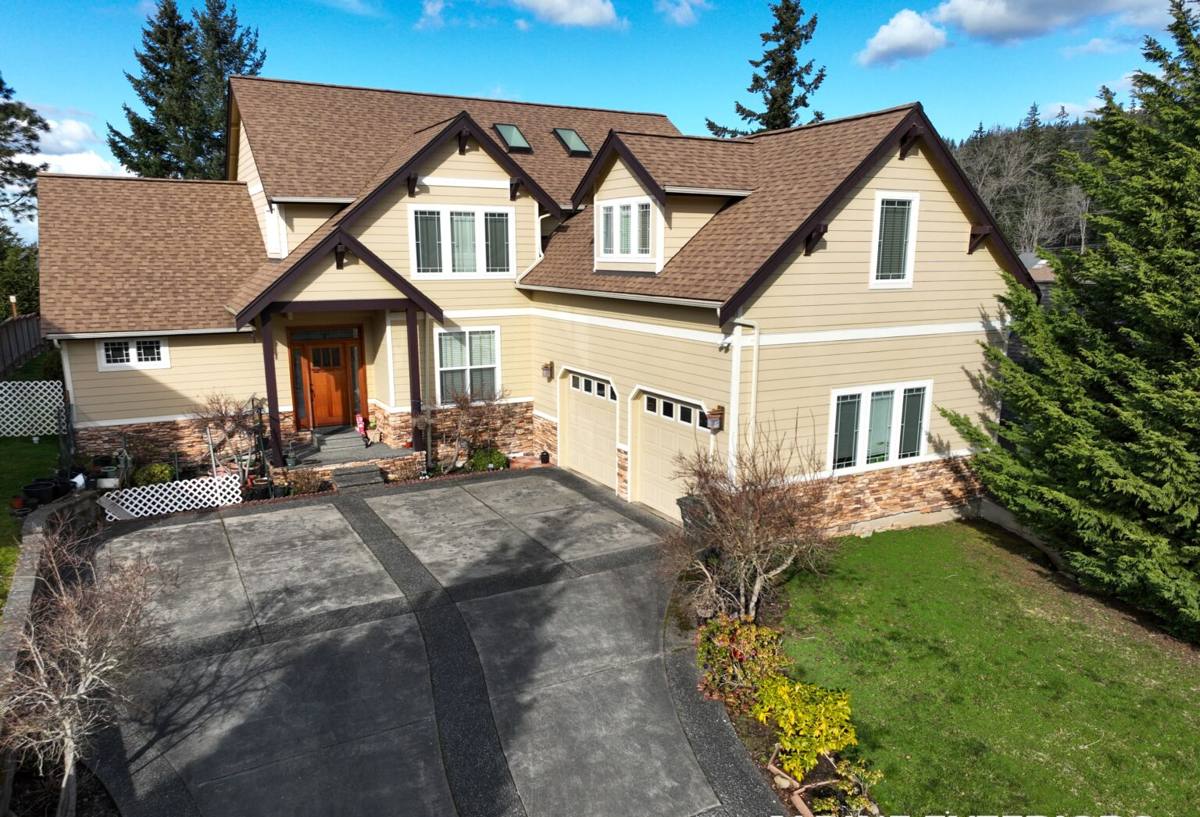
What Bellingham's Climate Does to a Deck Over Time
Whatcom County doesn't get extreme weather, but it gets relentless weather, and relentless is worse for a deck than extreme. A few specific things happen here that don't happen the same way in drier climates:
- Salt air corrosion. South Hill's elevation and proximity to the bay means fasteners, hardware, and metal railing components are exposed to salt-laden air. Standard hardware-store fasteners corrode faster here than the packaging suggests.
- Driving rain, not just rain. Wind off the water pushes rain sideways into ledger connections, stair stringers, and any spot where wood meets wood or wood meets siding. Water finds gaps that would stay dry in a calmer climate.
- A long moss season. Shaded, north-facing, or tree-covered sections of a South Hill lot can stay damp enough for moss and algae to establish on decking boards for most of the year, not just a few weeks. That's a slip hazard as much as a maintenance nuisance.
- Tree canopy debris. Mature trees common on South Hill lots drop needles and leaf litter that pack into board gaps and framing connections, holding moisture against the wood long after a rain has passed.
None of this means a deck can't hold up here. It means the details that get skipped elsewhere — flashing, fastener grade, gap spacing, drainage — can't get skipped here.
Permits and Codes for a South Hill Deck
Most decks attached to a house, and any deck of meaningful size or height, require a permit from the City of Bellingham (or Whatcom County, depending on exactly where a South Hill property falls relative to city limits). Permit review checks things like footing depth, ledger attachment, guard and stair railing dimensions, and structural spans — all of which matter more on a sloped lot than a flat one.
Skipping the permit is tempting because it feels like it saves time and money, but it creates real problems later: unpermitted decks routinely surface during home sales, insurance claims, and refinance appraisals, and a deck that was never inspected has no record confirming the footings and ledger were done correctly. We pull permits as a standard part of the job and build to the inspected standard, not around it.
Footings and Framing on Hillside Terrain
On a sloped South Hill lot, footing depth and placement do more work than on a flat yard. A few things we account for on every hillside job:
- Footing depth and bearing. Footings need to reach undisturbed, stable soil below the frost line, and on a slope that often means different footing depths across the same deck rather than one uniform depth.
- Post height and bracing. A deck stepping down a hillside usually means taller posts on the downhill side, which changes how much lateral bracing the structure needs to stay rigid.
- Drainage around footings. Water moving downhill during heavy rain needs somewhere to go that isn't pooling against a footing or post base. We grade and, where needed, add drainage so runoff doesn't undermine the foundation over time.
- Access for equipment. Many South Hill lots have limited side-yard or backyard access for a slope. We plan footing work around what a site can actually accommodate rather than assuming flat-lot access.
Getting this stage right is invisible once the deck is built — which is exactly why it's the stage most likely to get shortcut by a crew that isn't used to hillside work.
Ledger Attachment: Where Older South Hill Homes Run Into Trouble
The ledger board — the piece that attaches the deck to the house — is the single most common point of failure on residential decks nationally, and it's a bigger concern on South Hill specifically because of the housing stock. Many South Hill homes were built well before current deck-ledger flashing standards existed, so a deck addition here often means tying new framing into old wall construction that wasn't designed with a deck attachment in mind.
Done correctly, the ledger gets bolted (not just nailed) to solid framing, flashed so water sheds away from the house rather than into it, and separated from the wall enough to let air circulate and moisture escape. Done poorly, water gets trapped between the ledger and the siding and starts rotting the rim joist and sheathing from the inside, often for years before it's visible from outside. Given how much rain this area gets, a bad ledger detail isn't a small mistake — it's the difference between a deck that lasts decades and one that causes hidden water damage to the house itself.
Choosing Decking Material for Moss, Moisture, and Salt Air
There's no single "right" decking material for every South Hill property — it depends on how much shade the lot gets, how much maintenance the homeowner wants to do, and budget. Here's how the common options compare against this specific climate:
| Material | Moisture & moss behavior | Maintenance | Typical lifespan |
|---|---|---|---|
| Pressure-treated lumber | Resists rot chemically but surface holds moss on shaded boards; needs sealing to stay ahead of it | Annual cleaning, re-sealing every 1-2 years | 15-20 years with upkeep |
| Cedar | Naturally rot-resistant and handles moisture well, but greys and grows moss faster than treated wood if left unsealed | Cleaning and sealing/staining every 1-2 years | 15-25 years with upkeep |
| Composite | Doesn't absorb water or rot; algae/moss sit on the surface rather than growing into the board, so it rinses off easier | Periodic rinsing/washing, no sealing or staining | 25-30+ years, manufacturer-dependent |
| Tropical hardwood | Very dense and rot-resistant, sheds moisture well | Occasional oiling to maintain color; low structural maintenance | 25+ years |
On heavily shaded South Hill lots, we're honest with homeowners that any material will grow some moss and needs occasional cleaning — the differences are in how much work that cleaning takes and how the board behaves as it ages. We'll walk your specific site's sun and shade pattern before recommending a material rather than defaulting to one product for every job.
Railings, Stairs, and Everyday Safety Details
Guard railings, baluster spacing, and stair railings on a deck aren't optional design choices — they're code-driven and enforced for good reason, especially on a hillside property where a deck edge can have real fall exposure. Standard requirements include a guard height (typically 36-42 inches depending on application), baluster spacing that prevents a small child from passing through, and graspable stair handrails on any run of stairs with multiple steps.
Because of the salt air here, we also pay attention to hardware grade on railings specifically — post connections and any exposed fasteners are a common spot for premature corrosion if the wrong hardware gets used. Stainless or hot-dip galvanized fasteners cost more up front than standard coated screws, but on a South Hill deck that difference shows up as rust streaks and loosening connections within a few years if it's skipped.
Our Deck Building Process
Every South Hill deck project follows the same general sequence, adjusted for the specific slope, sun exposure, and home condition:
- Site walk. We look at the slope, drainage patterns, existing structure (for additions or ledger attachments), and how much shade the space actually gets through the year.
- Design and material selection. We talk through decking material, railing style, and layout based on how you'll actually use the space and how much upkeep you want going forward.
- Permitting. We handle the permit application and design documentation required by the city or county.
- Footings and framing. Footings are dug to proper depth and bearing, framing is set with corrosion-resistant hardware throughout, and the ledger (if applicable) is bolted and flashed to current standard.
- Decking, railings, and stairs. Boards and railings go on with fastener spacing and gapping set for drainage, not just appearance.
- Final walkthrough and inspection. We review the completed deck with you and coordinate the final city inspection so the work is on record.
Signs Your Existing South Hill Deck Needs Attention
If you already have a deck and aren't sure whether it needs repair, replacement, or just cleaning, a few checks can tell you a lot before you call anyone:
- Soft or spongy spots underfoot, especially near the house — often a sign of ledger or joist rot starting
- Rust streaks running down from railing posts or fastener heads
- Gaps or separation where the deck meets the house siding
- Persistent moss or algae that comes back within days of cleaning, especially in shaded corners
- Railings or posts that flex or wobble when pushed
- Stair stringers that show splitting or dark staining at the base
Any one of these on its own might be minor. Several together, or anything near the ledger, is worth having looked at before it becomes a structural issue rather than a maintenance one.
Why a Crew That Already Works South Hill Matters
Sloped-lot footing work, older-home ledger retrofits, and moss-heavy shade patterns aren't universal deck problems — they're the specific set of conditions South Hill presents, and they show up on nearly every project in this neighborhood. A crew that builds decks across flat, dry-climate lots and treats South Hill the same way tends to underbuild for the slope or under-spec the hardware for the salt air. A crew that already works this hillside knows to plan footing depth around the grade before the first shovel goes in, knows which fastener grade actually holds up here, and knows the city's permit expectations for this kind of terrain going in rather than learning it mid-project.
If you're planning a new deck or need an honest look at one you already have, we're happy to walk the site with you and give you a straightforward estimate — no pressure, no upsell, just what your property actually needs. Use the form below to get in touch.