 Bellingham
 Why Sunnyland Roofs Wear Differently
Sunnyland sits close enough to Bellingham Bay that salt-laden air is a constant, low-grade stressor on roofing materials, even on days when you can't smell it. Combine that with Whatcom County's long wet season — months of driving rain off the water, followed by a slow-drying shoulder season where shaded roof sections barely see direct sun — and you get a climate that's tough on roofs in ways drier inland areas never experience. Add the tree cover common through this part of Bellingham and you get the third factor: moss and organic growth that doesn't just look bad, it actively holds moisture against your shingles and speeds up granule loss.
None of this means your roof is doomed early. It means the roof has to be built and maintained with this specific combination of exposure in mind, not treated like it's going on a house in a dry climate. That's the difference between a roof that looks fine for a few years and one that actually performs for its full expected life.
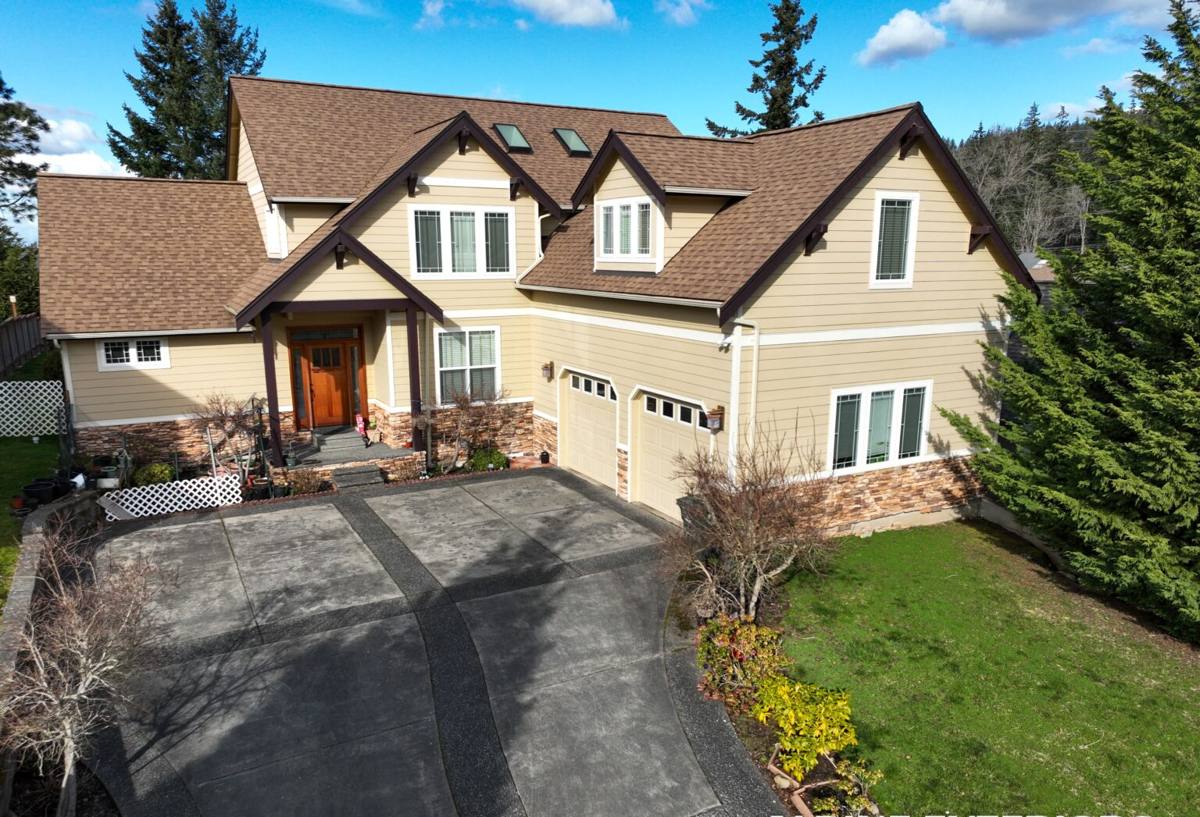
Signs a Sunnyland Roof Needs Replacement, Not Another Repair
Repairs make sense when a roof has isolated damage and the rest of the system is sound. Replacement makes sense when the underlying materials are failing broadly, even if the leaks themselves seem minor. Here's how we tell the difference during an inspection:
- Granule loss heavy enough that you can see bare, shiny patches on multiple slopes, not just one storm-exposed section
- Shingles that are cupping, curling, or cracking across the roof rather than in one localized area
- Moss and algae staining that keeps returning within a season or two of cleaning, a sign moisture is being retained under the roofing, not just sitting on top of it
- Soft or spongy decking felt underfoot, or daylight visible through the roof deck from the attic
- Recurring leaks in different spots each winter, rather than one consistent failure point
- A roof already at or past its expected service life for its material, combined with any of the above
If your roof only shows one or two isolated issues, we'll tell you that and recommend a repair. We don't push replacement on a roof that has honest life left in it — that's a bad trade for you and it's not how we want to be known in this neighborhood.
What a Correct Roof Replacement Actually Involves
Full Tear-Off, Not a Layover
Installing new shingles over an existing layer hides problems instead of solving them — trapped moisture, soft decking, and old flashing all stay buried under the new roof. In a climate as wet as Bellingham's, that's a bet we're not willing to make with your house. A proper replacement starts with stripping the roof down to the deck so we can actually see what's underneath.
Decking Inspection and Repair
Once the old roofing is off, we inspect every section of the deck. Any wood that's soft, delaminated, or water-stained through gets replaced before anything new goes down. Skipping this step is one of the most common ways a "new roof" fails early — the surface looks fine while the structure underneath is already compromised.
Underlayment Built for Wet Climates
In a region with as much sustained rainfall as this one, the underlayment layer matters as much as the shingles themselves. We use synthetic or self-adhered membranes at eaves, valleys, and other vulnerable areas rather than relying on minimum-code coverage, because that's where wind-driven rain off the bay actually gets pushed under standard shingle laps.
Flashing at Every Penetration
Chimneys, vent pipes, skylights, and roof-to-wall transitions are where most leaks actually originate — not in the open field of shingles. New step flashing, counter-flashing, and pipe boots go in with every replacement, not just wherever the old flashing looks reusable.
Ventilation That Matches the Roof
A roof that can't breathe traps heat and moisture in the attic, which shortens shingle life from underneath and can contribute to condensation issues in our damp winters. We check intake and exhaust ventilation as part of every replacement and correct it when it's inadequate, rather than just matching whatever was there before.
Comparing Roofing Materials for This Neighborhood
There's no single "best" material for every Sunnyland home — it depends on your roof's slope, sun exposure, tree cover, and budget. Here's how the common options actually perform under this area's conditions:
| Material | Moss & Moisture Resistance | Typical Lifespan | Maintenance Needs |
|---|---|---|---|
| Architectural asphalt shingle | Good with proper ventilation and periodic cleaning | 25–30 years | Moderate — moss removal every few years recommended |
| Standing seam metal | Excellent — sheds moisture and resists moss growth better than shingles | 40–60 years | Low — occasional debris clearing |
| Composite/synthetic shake | Good, does not absorb moisture like wood | 30–50 years | Low to moderate |
| Cedar shake | Requires diligent upkeep in shaded, damp areas | 20–30 years with maintenance | High — regular treatment and moss control |
We install and stand behind asphalt, metal, and composite systems. We don't install cedar shake roofs, not because cedar can't look good, but because in shaded, damp sections of neighborhoods like Sunnyland it demands a maintenance schedule most homeowners can't realistically keep up with, and the moisture-related failures we see on under-maintained cedar roofs are avoidable with a different material choice. That's a maintenance-burden call, not a knock on the wood itself.
Cost Factors Specific to This Area
Roof replacement cost varies by home, but a few factors come up consistently on Bellingham roofs near the water:
| Factor | Why It Matters Here |
|---|---|
| Roof pitch and complexity | Steeper, multi-plane roofs common in this neighborhood take longer to tear off and flash correctly |
| Deck condition | Homes with a history of moss or slow leaks often need more deck repair than expected |
| Tree cover | Heavier shade means more moss-resistant material or upgraded ventilation is worth the added cost |
| Access | Tight lots and mature landscaping can affect staging and material handling |
| Material choice | Asphalt, metal, and composite carry different upfront and lifetime costs |
We give you a written estimate that breaks these out clearly, so you know what you're paying for and why — not a single lump number with no explanation.
Our Process, Start to Finish
- Free on-site inspection, including attic and decking checks where accessible, not just a look from the ground
- A written estimate that explains material options and cost factors specific to your roof
- Scheduling that accounts for our wet season — we watch the forecast and won't tear off a roof into an open weather window we can't finish
- Full tear-off, deck inspection and repair, new underlayment, flashing, and ventilation correction as needed
- Daily site cleanup, including magnetic sweeps for nails and debris
- Final walkthrough so you can see the completed work and ask questions before we consider the job done
Why a Crew That Already Works Sunnyland Matters
A contractor who works this specific part of Bellingham regularly already knows which slopes in this neighborhood hold moss longest, which roof ages are common on homes here, and how the local building department handles permitting for reroofs. That's not something you get from a crew that treats every job as a first encounter with the area. It also means shorter travel time for inspections, follow-up questions, or a warranty call if you ever need one — we're not driving in from across the county.
We're licensed to work throughout Whatcom County, and Sunnyland is part of our regular service area, not a stretch assignment. That familiarity shows up in fewer surprises during the job and a more accurate estimate up front.
Protecting Your Roof After Replacement
A new roof installed correctly still needs basic upkeep to hit its full lifespan in this climate. A simple annual routine goes a long way:
- Clear moss and debris from valleys and north-facing slopes before it builds up, not after staining appears
- Keep gutters clean so water isn't backing up under the roof edge during heavy rain
- Trim back overhanging branches that keep sections of the roof shaded and slow to dry
- Check attic ventilation isn't blocked by insulation or storage after any home projects
- Have the roof looked at after any major windstorm, even if you don't see obvious damage from the ground
None of this requires a professional every time — most of it is a homeowner with a ladder and half an hour. But if you'd rather not get on the roof yourself, we also handle moss treatment and inspections for roofs we didn't originally install.
Get a Straight Answer About Your Roof
If you're not sure whether your Sunnyland roof needs replacing or just some targeted repair and moss cleanup, we're happy to take a look and tell you honestly which one it is. The estimate is free, there's no pressure attached to it, and you'll get a clear written breakdown either way. Use the form below to get started.