 Bellingham
 Asphalt Shingle Roofing Built for Barkley's Weather
Barkley sits close enough to Bellingham Bay and the Whatcom County coastline that homes here take a different kind of beating than roofs a few miles inland. Salt-laden air, wind-driven rain off the water, and a moss season that can stretch from October well into spring all work against a roof that isn't detailed correctly. Asphalt shingle roofing remains one of the most practical choices for this area when it's installed with the right materials and the right attention to ventilation, flashing, and moisture control — but "installed correctly" is doing a lot of work in that sentence, and it's where a lot of roofs in this neighborhood start to go wrong years before they should.
This page focuses specifically on shingle roofing for homes in and around Barkley, not asphalt roofing in general. The mix of housing here — a planned community with a fair number of newer builds alongside older homes on the surrounding streets — means the roofs we see range from original builder-grade shingles nearing the end of their service life to older roofs that were re-covered without addressing ventilation or flashing problems underneath.
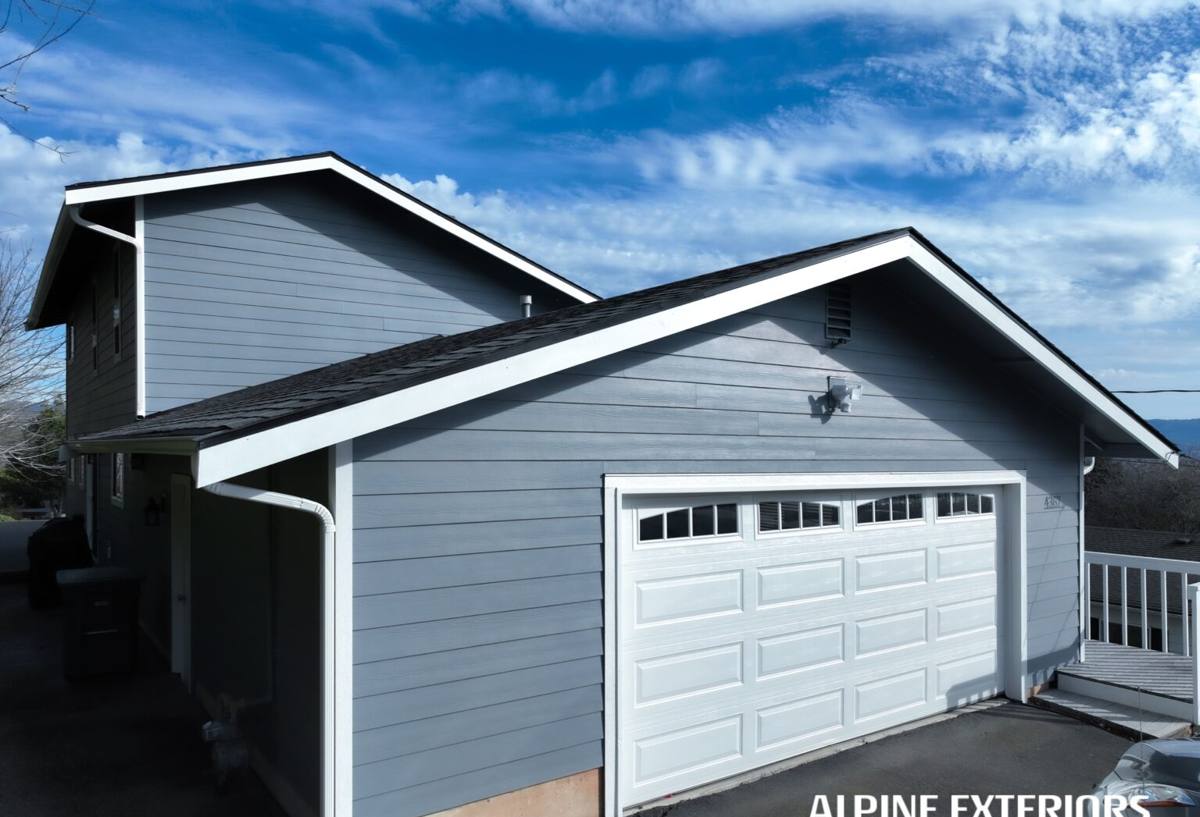
What Barkley's Climate Actually Does to a Shingle Roof
Whatcom County's marine climate is mild compared to a lot of the country, which is part of why people move here — but mild doesn't mean easy on a roof. Three things matter most for shingle roofs in this specific area:
Salt Air and Moisture
Proximity to the bay means airborne salt and near-constant humidity. This accelerates corrosion on exposed metal — nails, flashing, vent boots, and gutter hardware — faster than it would happen further inland. Roofs with cheap or under-gauge flashing show rust streaks and early flashing failure well before the shingles themselves are worn out.
Driving, Wind-Blown Rain
Rain in this part of Washington doesn't always fall straight down. Storms coming off the water can push rain sideways into valleys, up under shingle tabs, and against vertical walls where roof meets siding. A shingle roof that's fine in a light, calm rain can leak in a wind-driven storm if the underlayment, valley protection, and step flashing weren't done with that in mind.
Moss Season
Shade, moisture, and mild temperatures are exactly what moss wants, and Barkley's tree cover combined with our long wet season gives moss plenty of time to establish. Moss holds moisture against the shingle surface, lifts tabs as it grows, and works its way under the shingle edge — which shortens the life of the roofing well beyond what normal weathering would do. A roof that isn't cleaned or treated periodically will show moss-related wear years ahead of its rated lifespan.
What a Correct Shingle Roof Installation Involves
A lot of roofing problems in this area aren't shingle failures — they're installation shortcuts that only show up once the weather tests them. A correct job for a Barkley home includes:
- Full tear-off in most cases. Layering new shingles over old traps moisture, hides deck damage, and voids most manufacturer warranties. We inspect the deck once the old roofing is off, not before.
- Deck inspection and repair. Any soft, delaminated, or water-stained sheathing gets replaced before anything new goes down. Skipping this is the single most common cause of early roof failure we see on re-roofs.
- Ice-and-water shield at vulnerable points. Eaves, valleys, and roof-to-wall transitions get a self-adhering waterproof membrane, not just standard felt. This is the layer that protects against wind-driven rain finding its way under the shingles.
- Synthetic underlayment across the field. A quality synthetic underlayment resists moisture better than old-style felt and holds up longer during construction before shingles go on.
- Correctly lapped and fastened valleys. Valleys carry more water than any other part of the roof and are a common leak point when rushed.
- New flashing, not reused flashing. Step flashing, counter-flashing, and vent boots are replaced, not caulked and reinstalled — especially important given how salt air corrodes older metal here.
- Proper nailing pattern and shingle exposure. Manufacturer nailing specs exist for wind resistance. Under-nailing or high-nailing is invisible until a storm pulls shingles off.
- Balanced attic ventilation. Intake at the eaves and exhaust at the ridge, sized to the attic volume. Poor ventilation traps moisture, which shortens shingle life from underneath and contributes to moss growth from trapped humidity.
Our Process for a Barkley Re-Roof
Every roof is a little different, but the sequence we follow stays consistent because it's the sequence that prevents callbacks:
- On-site inspection and honest assessment. We look at the current roof, attic ventilation, and any trouble spots — valleys, chimney flashing, moss buildup — and tell you plainly whether repair or full replacement makes sense.
- Written estimate with material options. You'll see the shingle line, underlayment type, and flashing plan spelled out, not just a lump-sum number.
- Weather-aware scheduling. Given how much of the year here carries rain risk, we plan tear-off and dry-in around forecast windows so your home isn't left exposed longer than necessary.
- Tear-off and deck inspection. Old roofing comes off, the deck is inspected, and any needed repairs are addressed before dry-in.
- Underlayment and flashing installed. Ice-and-water membrane at eaves and valleys, synthetic underlayment across the field, new flashing throughout.
- Shingle installation to manufacturer spec. Correct exposure, nailing pattern, and starter courses — the details that determine wind performance.
- Ventilation check and correction. If intake or exhaust ventilation is inadequate, we address it as part of the job rather than leaving a known problem in place.
- Cleanup and final walkthrough. Magnetic sweep for nails, debris removal, and a walkthrough so you know what was done and what to watch for going forward.
Choosing Shingles for This Area
Not every shingle line performs the same in a marine, moss-prone climate. Here's how the common options stack up for a Barkley home specifically:
| Shingle Type | Typical Lifespan Here | How It Handles Local Conditions |
|---|---|---|
| 3-Tab Asphalt | 15–20 years | Lowest cost, but thinner profile means less wind resistance and faster moss intrusion at the tab edges. |
| Architectural (Laminate) | 25–30 years | Heavier, better wind rating, and the layered profile sheds wind-driven rain more effectively — our default recommendation for most Barkley re-roofs. |
| Impact-Resistant Architectural | 25–30+ years | Same performance as standard architectural with added resistance to debris and hail; worth discussing if you've had storm damage before. |
| Algae-Resistant (AR) Shingles | Varies by base type | Copper- or zinc-infused granules resist algae and moss staining longer, genuinely useful given how much shade and moisture this area gets. |
For most homes in this neighborhood, we lean toward architectural shingles with algae-resistant granules. The upfront cost difference over 3-tab is modest compared to the added years of service and reduced moss-related maintenance.
Repair, Re-Cover, or Full Replacement?
Not every roof needs to be torn off. Whether repair or replacement makes sense depends on the age of the roof, the extent of the damage, and what's happening underneath the shingles.
| Situation | Likely Approach | Why |
|---|---|---|
| Isolated leak, roof under 10 years old | Targeted repair | Flashing or a small area of damaged shingles can usually be fixed without disturbing the rest of the roof. |
| Widespread moss with granule loss | Cleaning/treatment now, replacement planning ahead | Moss removal can extend life short-term, but heavy granule loss signals the roof's protective layer is wearing thin. |
| Multiple leaks, roof 18+ years old | Full replacement | At this age, the underlayment and flashing are usually as worn as the shingles — patching one leak often reveals another nearby. |
| Visible deck sagging or soft spots | Full replacement with deck repair | Structural issues under the shingles can't be resolved with surface repairs. |
Signs a Barkley Homeowner Shouldn't Ignore
- Granules collecting in gutters or at downspout outlets — a sign the shingle surface is wearing thin.
- Dark streaking or moss patches, especially on north-facing or shaded slopes.
- Curling, cupping, or cracked shingle tabs, particularly after a windy winter.
- Daylight visible through the attic roof deck, or damp insulation after a storm.
- Rust staining around vent boots or flashing — common here given the salt air.
- Interior ceiling stains, especially near valleys or chimneys.
- Shingles missing entirely after a wind event, or exposed nail heads.
Any one of these is worth a look before it turns into interior damage. Catching flashing or ventilation problems early is almost always cheaper than repairing water damage to decking, insulation, or drywall later.
Maintenance That Actually Extends Roof Life Here
Given the moss pressure in this part of Whatcom County, a shingle roof in Barkley benefits from more attention than the same roof would need in a drier climate:
- Periodic moss removal using methods that don't strip granules — no aggressive pressure washing.
- Keeping gutters clear so water isn't backing up under the eave line during heavy rain.
- Trimming back overhanging branches to reduce shade and debris buildup, which slows moss regrowth.
- Checking attic ventilation isn't blocked by insulation, which can trap moisture and accelerate shingle aging from underneath.
- Having flashing and vent boots inspected every few years, since these fail before the shingles do in a salt-air environment.
Why a Crew That Works Barkley Regularly Makes a Difference
Roofing crews who work throughout Bellingham and Whatcom County develop a feel for how houses in specific pockets like Barkley actually perform over time — which slopes hold moss longest, which flashing details tend to fail first in wind-driven rain, and how attic ventilation issues show up differently in newer planned-community construction versus older homes nearby. That local pattern recognition matters when you're deciding between a repair and a full replacement, or choosing which shingle line is worth the upgrade cost for this specific climate.
It also matters for scheduling. Roofing work in this region has to work around a genuinely wet season, and a crew that plans tear-offs and dry-in around realistic weather windows protects your home from being left exposed partway through a job. That's not a guess — it's a habit built from doing this work here, on roofs like yours, season after season.
Get a Free, No-Pressure Estimate
If your Barkley home's roof is showing moss, granule loss, flashing wear, or you're just not sure how much life it has left, we're happy to take a look. There's no pressure and no obligation — just a straightforward assessment and, if you want one, a clear written estimate. Use the form below to get started.