 Bellingham
 Siding That Has to Work Year-Round in York
York is one of Bellingham's older, established residential pockets, and homes here show the same wear pattern we see across Whatcom County: siding that looked fine for a decade, then started failing fast once moisture got a foothold. Bellingham's climate isn't dramatic — no hurricanes, no extreme heat — but it is relentless. Salt-tinged air off Bellingham Bay, long stretches of driving rain, and a moss season that can run from October through May put steady pressure on anything nailed to the outside of a house. Siding here doesn't need to survive one bad storm. It needs to survive hundreds of gray, damp days every single year, for decades.
That's the lens we bring to every York estimate. We're not selling a product; we're specifying an assembly — siding, house wrap, flashing, and fasteners — that's matched to this specific climate and this specific neighborhood's mix of older framing and mature landscaping.
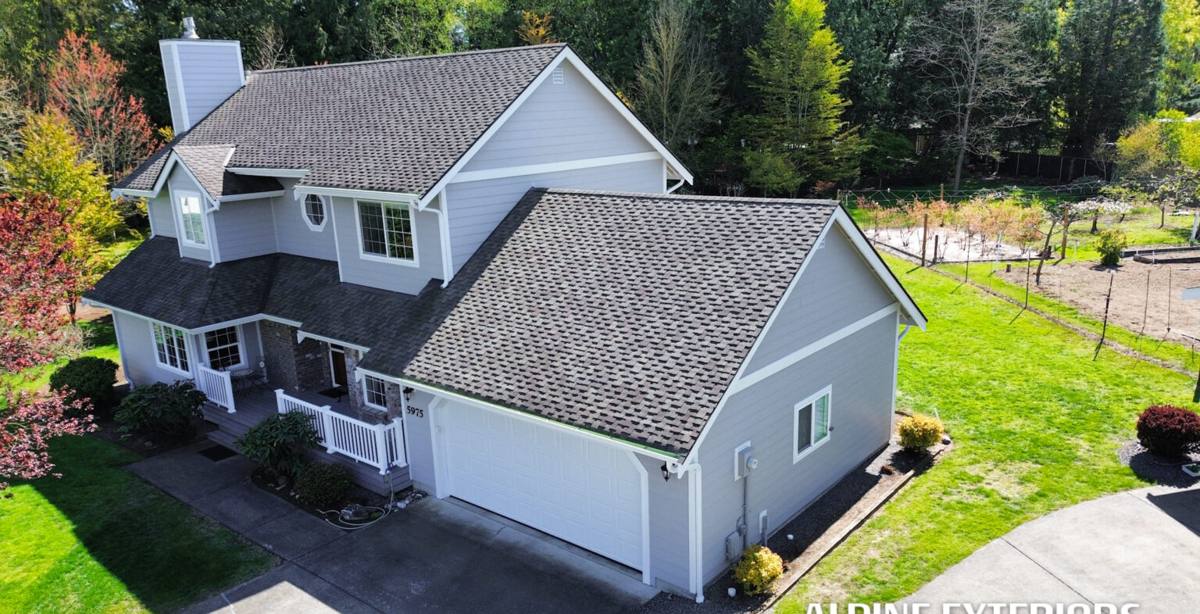
Why Fiber Cement Fits This Climate
Fiber cement is a cement, sand, and cellulose fiber composite, engineered to be dimensionally stable in wet climates. Unlike wood-based siding, it doesn't swell, cup, or delaminate when it absorbs moisture, and it doesn't feed mold or moss the way organic wood fiber does. That matters directly for York: with tree cover on many lots and shaded north- and east-facing walls that stay damp for days after a storm, moss and mildew pressure is constant. A material that resists moisture intrusion at the fiber level — rather than relying only on a surface coating — holds up better over a 30- to 50-year ownership horizon.
Fiber cement is also non-combustible, which is a genuine plus in a region where wildfire smoke and occasional dry-season fire risk have become part of the conversation, even on the wetter west side of the Cascades.
What Salt Air Actually Does to Siding
Bellingham Bay isn't the open ocean, but airborne salt still travels inland on wind, especially on exposed or elevated lots. Over years, salt-laden moisture accelerates corrosion on fasteners and metal flashing, and it degrades weaker paint films faster than inland exposure would. This is why fastener choice and flashing details matter as much as the siding panel itself — a great board installed with the wrong nails is still a future problem.
What a Correct Fiber Cement Job Actually Involves
Fiber cement performs exactly as well as its installation. The board is only one part of a moisture-management system, and most siding failures we're called out to inspect in older Bellingham homes trace back to installation shortcuts, not the material itself. A correct job includes:
- A continuous, properly lapped weather-resistive barrier (house wrap) installed before any siding goes up
- Correctly flashed windows, doors, and any wall penetrations, so water is directed out and down, not behind the siding
- Rain screen or drainage gap detailing on walls where local exposure and code call for it, so trapped moisture can dry out
- Hardie-approved corrosion-resistant fasteners, driven to the manufacturer's specified depth and spacing — not just "close enough"
- Factory-primed or ColorPlus-finished cut edges sealed per manufacturer spec, since exposed raw edges are where moisture gets in first
- Proper clearance from grade, decks, patios, and roof lines, so siding isn't sitting in standing water or trapped leaf debris
Skip any one of these and you can end up with siding that looks correct from the curb but is trapping moisture behind it — the kind of problem that doesn't show up until the sheathing underneath is already compromised.
Our Process for York Projects
1. On-Site Assessment
We walk the whole exterior, not just the visibly damaged section. In a climate like this, moisture problems often start on the shaded, less-visible walls before they show up on the street-facing side. We check existing siding, trim, flashing, and any soft spots around windows and the foundation line.
2. Scope and Material Plan
We spec the Hardie product line, plank exposure, and trim package that fits the home's style and the specific exposure of each wall — a south-facing wall that gets baked and rained on alternately doesn't need the same detailing as a shaded north wall that stays damp.
3. Tear-Off and Substrate Check
Old siding comes off and we inspect the sheathing underneath before anything new goes on. This is the point where hidden rot or old moisture damage gets caught and repaired — covering it up with new siding doesn't fix it.
4. Weather Barrier and Flashing First
House wrap, window and door flashing, and drainage detailing go in before a single piece of siding is hung. This step is invisible once the job is done, which is exactly why it's the step that gets shortcut on lower-quality jobs.
5. Installation to Manufacturer Spec
Fastener type, spacing, and nailing depth follow James Hardie's published installation guidelines, which is also what keeps the manufacturer's warranty intact.
6. Final Walkthrough
We review the finished work with the homeowner, including caulking, trim, and any touch-up painting at cut lines.
Fiber Cement vs. Other Siding Materials
Homeowners in York often ask us to compare fiber cement against the alternatives before committing. Here's an honest look at how the common options stack up under Bellingham's specific conditions:
| Material | Moisture & Moss Resistance | Typical Lifespan Here | Maintenance |
|---|---|---|---|
| James Hardie Fiber Cement | Strong — resists swelling, doesn't feed organic growth | 30-50+ years | Occasional wash; repaint only if not ColorPlus |
| Vinyl | Moderate — won't rot, but can warp and traps moisture behind it if installed poorly | 20-30 years | Low, but cracks/fades in UV and cold snaps |
| Primed Wood/Spruce | Weak — absorbs moisture, prone to rot and moss growth in shaded exposure | 10-20 years before major repair | Frequent repainting and caulking |
| Cedar (untreated) | Weak-Moderate — natural rot resistance fades once finish wears | 15-25 years | Regular staining/sealing required |
We only install James Hardie fiber cement. We've made that call because it's the product we can stand behind for the full lifespan of the installation, in this exact climate, without asking homeowners to sign up for a maintenance schedule they weren't expecting.
Signs a York Home's Siding Needs Attention
- Dark green or black streaking, especially on shaded or north-facing walls
- Soft or spongy spots when you press on the siding near the bottom courses or below windows
- Paint that's bubbling, peeling, or won't hold a fresh coat
- Visible warping, cupping, or gaps opening at seams and corners
- Musty smell or moisture staining on interior walls that share an exterior wall
- Moss establishing directly on the siding surface, not just the roof
Any one of these on its own isn't necessarily an emergency, but they're worth a professional look before the next wet season sets in.
Cost Factors for a York Siding Project
| Factor | Why It Matters |
|---|---|
| Home size and wall complexity | More corners, gables, and dormers mean more cutting, flashing, and labor time |
| Existing damage found at tear-off | Rotted sheathing or framing has to be repaired before new siding goes on |
| Product line and trim package | Lap width, texture, and trim detail all affect material cost |
| Access and lot conditions | Mature landscaping, fencing, or tight side yards typical of older York lots can add labor |
| ColorPlus vs. field-painted finish | Factory finish costs more upfront but eliminates a repaint cycle |
We won't quote a number without walking the property — anyone who does is guessing, and guesses are how homeowners end up with change orders mid-project.
Why a Local Crew Matters in York
A crew that regularly works Bellingham neighborhoods like York already understands which walls take the worst weather exposure, how the area's tree cover affects drying time after a storm, and what permitting and inspection expectations look like in Whatcom County. That familiarity shows up in small decisions — where extra flashing gets added, which walls get a drainage gap even when it's not strictly required — that a crew unfamiliar with the area might skip. It also means someone who answers the phone if a question comes up two years after the job is done, not a name from an out-of-area lead-generation site.
Questions Worth Asking Before You Hire
- Do you install to James Hardie's published fastening and flashing specifications, and can you show it?
- Is the crew doing the physical installation, or is the work subcontracted out?
- What's your plan for existing moisture or rot damage found once old siding comes off?
- Do you carry manufacturer certification, and does that affect the warranty coverage?
- Can I see the specific product line and color options for my home before we sign anything?
If your York home's siding is showing its age, or you're planning ahead before the next wet season, we're happy to walk the property and give you a straight, no-pressure estimate — no obligation, just an honest look at what your home actually needs.