 Bellingham
 Asphalt Shingle Roofing Built for Ferndale's Conditions
Ferndale sits close enough to the water and open farmland that its roofs take a different kind of beating than homes tucked further inland in Bellingham. You get salt-laden air drifting off Bellingham Bay and the Strait, long stretches of driving rain off the water, and a moss season that can run most of the year in shaded, north-facing sections of a roof. Asphalt shingle roofing remains the most practical option for the majority of Ferndale homes because it's durable, repairable, and priced sensibly for the square footage most local houses carry. But "asphalt shingles" installed generically and asphalt shingles installed correctly for this specific climate are two different roofs with very different lifespans.
This page is about the second one: what a shingle roof needs to hold up in Ferndale specifically, what a correct installation actually involves, and how we approach the job as a crew that already works this part of Whatcom County.
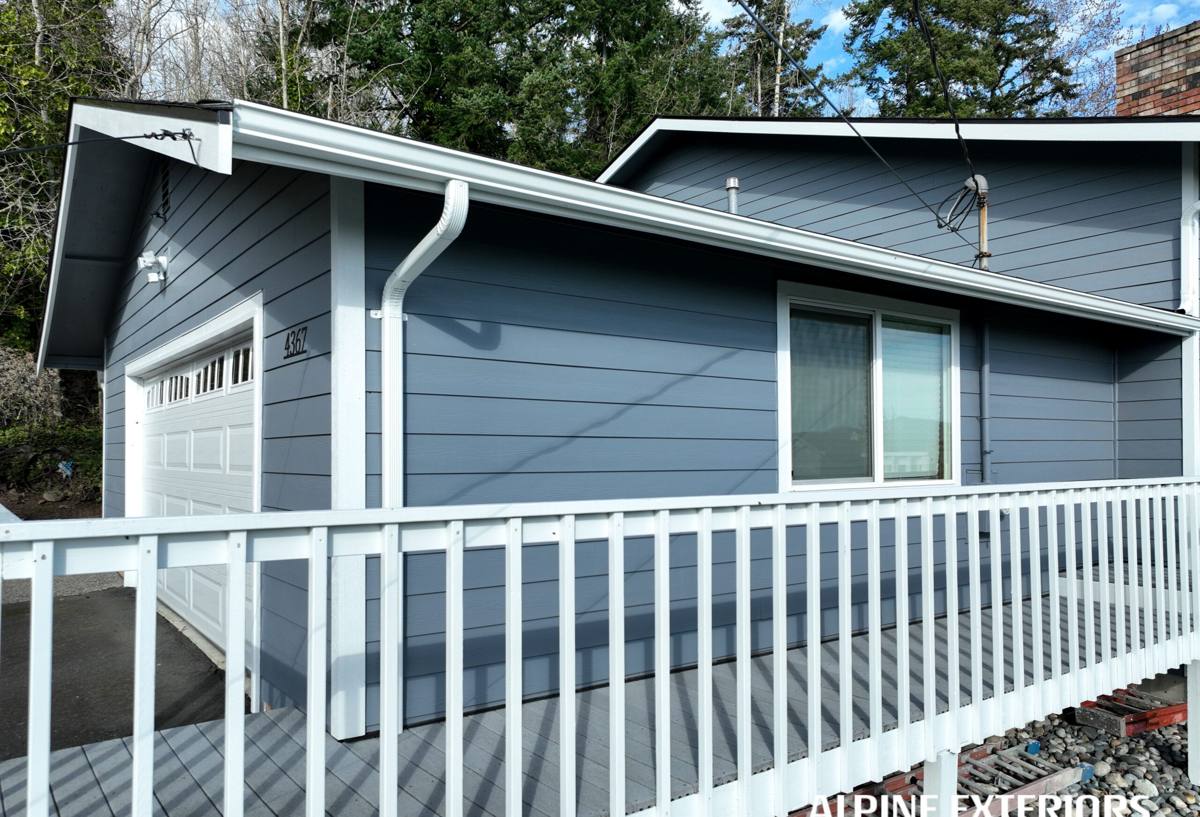
What Ferndale's Climate Actually Does to a Shingle Roof
It helps to be specific about the mechanisms, because most roof failures we see aren't random — they're the predictable result of moisture and organic growth working on the same weak points year after year.
Salt Air and Fastener Corrosion
Homes closer to the water deal with airborne salt that accelerates corrosion on exposed metal — nail heads, flashing edges, and lower-grade fasteners in particular. Standard electro-galvanized nails can start showing rust streaks on shingles well before the shingles themselves are worn out. This is a fastener and flashing-material decision made at install time, not something you can fix later without redoing the work.
Driving Rain and Wind-Driven Water
Rain here doesn't always fall straight down. Storms off the water push rain sideways into roof planes, valleys, and wall-to-roof transitions where it can work its way under shingles that are lapped correctly for vertical rain but not for wind-driven rain. Underlayment quality and how it's detailed at valleys, eaves, and penetrations matters more here than in drier climates.
Moss, Shade, and Organic Buildup
Whatcom County's tree cover and cloudy stretches keep north-facing and shaded roof sections damp for days at a time. Moss doesn't just sit on top of shingles — its root structure lifts shingle edges and holds moisture against the mat, which shortens the life of the shingle underneath it and can work water backward under the shingle above. Left unaddressed, moss is one of the most common reasons we see otherwise mid-life shingle roofs failing early in this area.
What a Correct Asphalt Shingle Job Includes
A roof is a system, not a single product. The shingle itself is only one layer of it, and in a climate like this, the layers underneath and around it do a lot of the actual work.
Deck Inspection First
Before anything goes down, the roof deck gets checked for soft spots, delamination, or water staining from prior leaks. Installing new shingles over a compromised deck just hides the problem and shortens the life of the new roof — we address deck issues before covering them.
Underlayment Suited to Wind-Driven Rain
Given how often this area sees sideways rain, underlayment choice and lap direction matter. Self-adhered membrane in vulnerable zones — eaves, valleys, and around penetrations — gives a second line of defense if wind-driven water gets past the shingle surface.
Ice-and-Water Protection at Vulnerable Zones
Even without heavy snow loads, eaves and valleys benefit from waterproof membrane underlayment because they're the areas most exposed to backed-up water from debris, moss, or heavy rain volume.
Flashing That Matches the Corrosion Environment
Chimneys, skylights, sidewalls, and roof-to-wall transitions get flashing sized and fastened for long-term durability in a salt-air environment, not the minimum required to pass a quick inspection.
Proper Ventilation
Balanced intake and exhaust ventilation keeps the underside of the deck dry and helps prevent the trapped moisture that feeds rot and encourages moss growth from underneath. Ventilation is frequently overlooked on re-roofs, and it's one of the cheapest things to get right while the roof is already open.
Fasteners Rated for the Environment
Corrosion-resistant fastener specification is a small line-item cost that pays for itself over the life of the roof, especially on homes with more direct exposure to marine air.
Our Process for Ferndale Roofing Projects
- On-site inspection. We walk the roof (or use a ladder/drone assessment where access is limited) and check the deck, flashing, ventilation, and existing moss or moisture damage — not just shingle wear.
- Honest scope conversation. We tell you what's actually needed versus what's optional, including whether a repair is reasonable or a full replacement makes more sense given the roof's age and condition.
- Written estimate. Materials, labor, and scope are laid out clearly before any work starts — no vague allowances that turn into surprise change orders.
- Deck prep and repair. Any soft, rotted, or delaminated decking is replaced before new underlayment goes down.
- Underlayment and flashing installation. This is where most of the long-term water protection actually happens, and it's the step most likely to be rushed by crews unfamiliar with this climate.
- Shingle installation. Installed to manufacturer specification for nail placement, exposure, and sealant activation — details that affect wind resistance and warranty validity.
- Ventilation check and correction. We confirm intake and exhaust are balanced for the attic space, adjusting where needed.
- Final walk-through. We review the completed work with you and explain any maintenance items specific to your roof's exposure and shading.
Repair, Re-Roof, or Full Replacement?
Not every roof problem needs a full tear-off. The right call depends on the roof's age, how widespread the damage is, and whether the deck and underlayment are still sound.
| Situation | Likely Approach | Why |
|---|---|---|
| Isolated moss damage, roof under 12 years old | Targeted repair + moss treatment | Deck and underlayment are usually still intact; localized fix is cost-effective |
| Granule loss and curling across most of the roof | Full re-roof | Shingles are past their functional life system-wide; patching won't extend it meaningfully |
| Visible deck sag or interior water stains | Full replacement with deck repair | Underlying structure needs attention that a surface repair can't address |
| Roof under 5 years old with a specific leak | Warranty repair or installation-error correction | Likely a workmanship or flashing detail issue, not material failure |
| Roof 20+ years old regardless of visible condition | Full re-roof recommended | Underlayment and fasteners are near end-of-life even if shingles look passable |
Maintenance That Actually Extends Roof Life Here
A well-installed shingle roof in Ferndale still needs periodic attention because of the moss and moisture load this area carries. This isn't optional upkeep — it's the difference between a shingle roof reaching its full expected lifespan and one failing early.
- Keep gutters and valleys clear of debris that traps moisture against shingles
- Have moss treated before it establishes root structure under shingle edges, not after
- Trim back overhanging branches to reduce shade and speed roof drying between rain events
- Check attic ventilation isn't blocked by insulation or storage materials
- Have flashing around chimneys and skylights inspected every few years for corrosion or sealant failure
- Address small leaks immediately — deck rot from a slow, ignored leak is far more expensive than the original repair would have been
Why a Crew That Already Works Ferndale Matters
Roofing crews that split time across very different climates tend to install to a generic standard — correct for most places, but not necessarily correct for a marine, moss-heavy environment like this one. A crew that regularly works Ferndale and the broader Bellingham area already knows which roof orientations collect moss fastest, which fastener and flashing choices hold up against salt air over time, and how local wind patterns tend to drive rain into valleys and wall transitions. That familiarity shows up in fewer callbacks and a roof that performs the way it's supposed to for its full expected life, not just for the first few dry seasons.
It also matters for permitting and code awareness specific to Whatcom County jurisdictions, and for knowing which suppliers locally stock the underlayment and flashing materials suited to this climate without delay-causing special orders.
What to Expect From an Estimate
A useful roofing estimate isn't just a number — it should tell you what condition your roof is actually in and why the recommended scope is what it is. When we look at a Ferndale roof, we're checking deck condition, existing ventilation, flashing condition at every penetration, and the extent of any moss or moisture damage, then explaining what we find in plain terms. If a repair is reasonable instead of a full replacement, we'll say so.
If you're dealing with a roof showing early moss growth, granule loss, curling shingles, or you're simply due for an honest assessment of what your roof has left in it, we're happy to take a look. Reach out for a free, no-pressure estimate using the form below.