 Bellingham
 Board & Batten Siding in Happy Valley
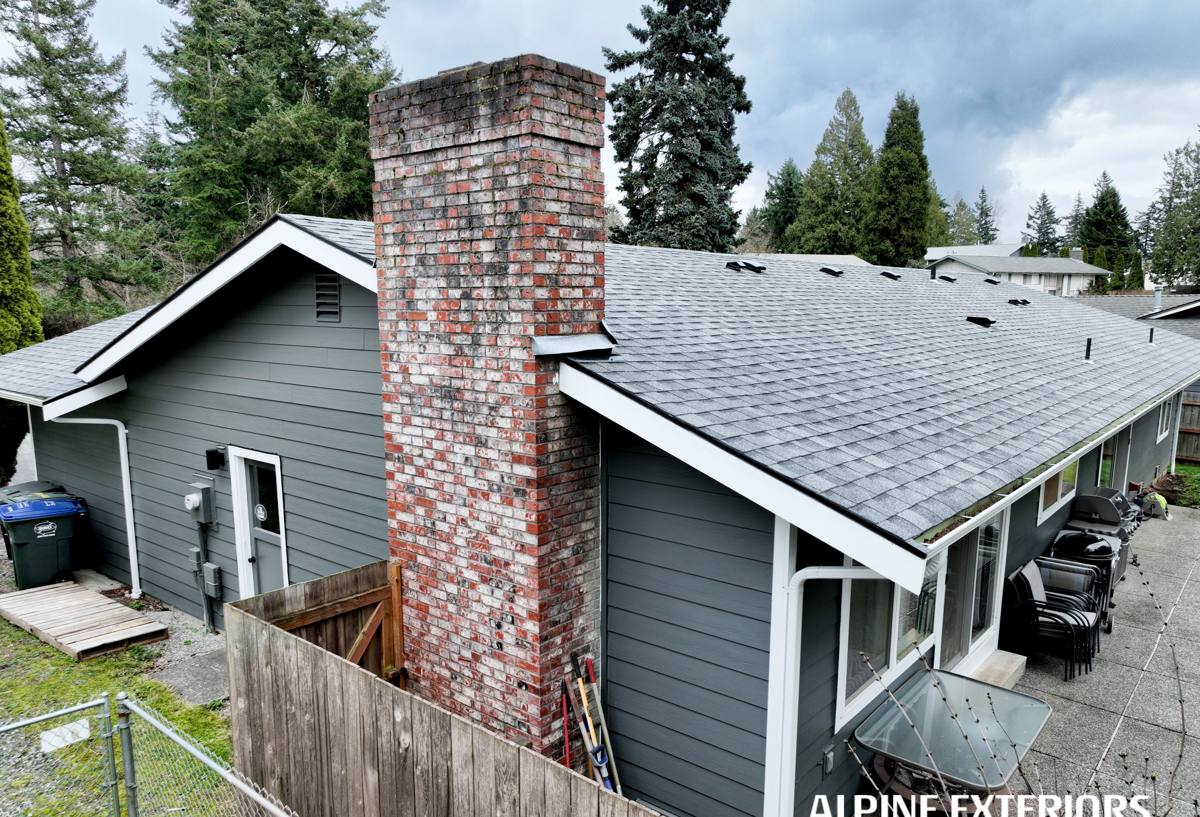
Happy Valley sits close to Bellingham Bay, tucked near Fairhaven and the WWU campus, on streets with a real mix of older homes and newer infill construction. It's a neighborhood where board and batten siding shows up often, on craftsman-style bungalows, modern farmhouse remodels, and newer builds that want that clean, vertical-line look. Board and batten works well here architecturally. Whether it works well for a homeowner long-term comes down almost entirely to what material it's made from and how it's installed, and that's where a lot of board and batten jobs in Whatcom County go wrong.
This page is specifically about board and batten siding for homes in Happy Valley — what the local climate does to it, what a correct installation actually requires, and why we only install it in one material.
Why Board & Batten Fits Happy Valley's Architecture
Board and batten is a vertical siding pattern: wide boards installed with narrow battens covering the seams between them. It reads as more architectural and less "production home" than standard lap siding, which is a big part of why it's popular on remodels and custom builds in this part of Bellingham. It also pairs well with the gable rooflines and mixed-material exteriors common in Happy Valley, often used as an accent on a dormer or upper story above horizontal lap siding on the main level.
The pattern itself is simple. What determines whether it holds up is the material behind it and the water management underneath it — and that's true for every siding style, but board and batten is less forgiving of shortcuts than lap siding because of how the vertical seams handle water.
What Bellingham's Climate Does to Board & Batten Siding
Happy Valley's exposure is a combination that's tough on any vertical siding system. Proximity to Bellingham Bay means salt-laden air reaches exterior surfaces and fasteners year-round, which accelerates corrosion in anything but the right fastener material and finish. Whatcom County's driving rain, especially in fall and winter storms, hits vertical board seams directly rather than shedding off a horizontal overlap the way lap siding does. And the long, damp moss season here means anything that stays wet longer than it should becomes a growth surface for moss and algae, which holds moisture against the siding face and finish even longer.
Vertical board and batten has more seams per square foot than horizontal lap siding, and each seam is a potential path for water if it's not detailed correctly. On a material that swells, cups, or delaminates when it takes on moisture, that adds up over a handful of wet seasons. On a material engineered not to absorb water in the first place, it's a non-issue. That difference is the whole reason we don't install every product that comes in board and batten profile.
Why We Only Install It in James Hardie Fiber Cement
Board and batten is available in wood, engineered wood (LP SmartSide), vinyl, and fiber cement. We install James Hardie fiber cement exclusively, and in a climate like Happy Valley's, the reasoning is straightforward:
- Wood (cedar, primed spruce): Looks great new, but real wood absorbs moisture at cut ends and fastener penetrations. In a marine climate with a long wet season, that means more frequent repainting, more risk of rot at the bottom of boards and battens, and more moss growth on the textured surface.
- LP SmartSide: An engineered wood product with a resin-treated strand core. It resists moisture better than raw wood but is still wood-based, meaning cut edges and any breach in the factory coating are vulnerable points, particularly on a vertical profile with more seams.
- Vinyl board and batten: Doesn't rot or absorb water, but it's a thin plastic panel that flexes, fades in UV over time, and can crack in a hard freeze. It also can't be painted a true custom color without voiding the finish, which limits how it ages with a home.
- James Hardie fiber cement: Made from cement, sand, and cellulose fiber. It doesn't absorb water the way wood does, doesn't support moss growth the way rough wood grain does, and holds a factory-applied ColorPlus finish that's baked on and warrantied against fading and peeling, not just brushed on.
We're not saying wood, LP, or vinyl board and batten will fail on every house. We're saying that in Happy Valley's exposure — salt air, driving rain, a moss season that runs long — fiber cement's water resistance and finish durability hold up with meaningfully less maintenance, and that's the standard we build our installs to.
What a Correct Board & Batten Installation Involves
Rainscreen gap
Vertical siding needs a drainage gap behind it, created with vertical furring strips, so any water that gets past the battens can drain and the wall can dry out instead of staying wet against the sheathing. This is one of the most commonly skipped steps on budget board and batten jobs, and it's one of the most important in a climate this wet.
Weather-resistive barrier and flashing
A correctly lapped weather-resistive barrier goes on before any siding, with flashing at every window, door, and horizontal transition so water is directed out and down, never behind the cladding. On board and batten specifically, the bottom starter strip and any horizontal butt joints need proper flashing detail, since these are the points most likely to trap water if rushed.
Fastening pattern
James Hardie board and batten has a specified nailing pattern and fastener spec — stainless steel or hot-dipped galvanized fasteners matter here given the salt air exposure. Battens are fastened to land on the framing or furring, not just through the board into open air, and gaps at panel ends are set to the manufacturer's specification to allow for expansion.
Caulking and finish
Joints get sealed with a high-quality, paintable exterior sealant rated for the exposure, not a generic caulk that will shrink and crack within a couple of seasons. Since we install ColorPlus-finished product, cut edges and any field-touched areas get the matching touch-up product, keeping the factory finish's warranty and appearance intact.
| Material | Moisture behavior | Typical maintenance in this climate |
|---|---|---|
| Cedar / primed wood | Absorbs water at cuts and joints; prone to cupping and rot over time | Repainting every few years; regular moss and mildew treatment |
| LP SmartSide | Resin-treated core resists moisture better than raw wood, but cut edges remain vulnerable | Periodic inspection of seams and touch-up of any coating breaches |
| Vinyl | Doesn't absorb water, but flexes and can crack in freezing temperatures | Low, but limited to factory colors and prone to UV fading over time |
| James Hardie fiber cement | Engineered to resist moisture absorption and doesn't support rot | Occasional washing; ColorPlus finish backed by a separate finish warranty |
Our Process, From Estimate to Finished Wall
For a Happy Valley board and batten project, our process starts with an on-site walk of the home to assess the existing wall assembly, look for any moisture or rot already present under the current siding, and talk through where board and batten makes sense architecturally versus where lap siding or a mixed approach might serve the home better. From there:
- We remove the existing siding and inspect the sheathing, replacing any damaged material before anything new goes on.
- We install or verify a properly lapped weather-resistive barrier and correct flashing at every penetration and transition.
- We install vertical furring strips to create the drainage gap behind the boards.
- We install the Hardie boards and battens to manufacturer fastening specs, with stainless or hot-dip galvanized fasteners appropriate for the coastal exposure.
- We seal joints, complete any factory-finish touch-up, and do a final walk-through with the homeowner.
We stand behind the installation, and James Hardie's product and finish warranties stand behind the material — but only when it's installed to spec, which is why we don't shortcut the furring, flashing, or fastening steps to save time.
Maintenance in a Marine Climate
Board and batten siding, even in fiber cement, benefits from a little seasonal attention in a place like Happy Valley:
- Rinse the siding once or twice a year to clear salt residue and organic buildup, especially on north-facing or shaded walls where moss takes hold fastest.
- Keep gutters clear so overflow doesn't run down the wall face and saturate the same section of siding repeatedly.
- Trim back vegetation and tree cover that keeps a wall section shaded and damp longer than the rest of the house.
- Have caulked joints and any trim transitions checked periodically, since sealant is the one component that wears faster than the siding itself.
- Watch for moss or algae buildup at the base of battens and along the bottom starter course, and clean it before it spreads.
Why Local Experience in Happy Valley Matters
A crew that already works in Bellingham and Whatcom County knows what this exposure does to a wall assembly over years, not just what a spec sheet says on paper. That means knowing which fastener grade actually holds up this close to the bay, how much drainage gap makes a real difference during a wet November, and where on a typical Happy Valley home moss and shade tend to concentrate. It also means being available for warranty support and follow-up without a homeowner having to track down a contractor who's moved on to a different region.
Get an Estimate for Your Happy Valley Home
If you're weighing board and batten siding for a home in Happy Valley or elsewhere in Bellingham, we're happy to take a look, talk through what the wall needs given its exposure, and give you a straightforward, no-pressure estimate. There's a form below — reach out and we'll set up a time to walk the property.