 Bellingham
 Roof Repair Built for Cordata's Climate
Cordata sits in north Bellingham, close enough to the water and the tree cover of Whatcom County that its roofs deal with a specific combination of stress most drier climates never see: salt-tinged marine air, long stretches of driving rain off the Pacific, and a moss season that can run most of the year in shaded, north-facing sections of a roof. None of these forces are dramatic on their own. The damage they do is slow, cumulative, and easy to miss until water is already inside the attic or the wall cavity below a bad flashing joint.
A roof repair in this neighborhood isn't the same job as a roof repair in a dry inland climate. It has to account for constant moisture cycling, biological growth, and the way wind-driven rain finds its way under laps and around penetrations that would stay dry somewhere less exposed. That's the lens we bring to every repair call in Cordata.
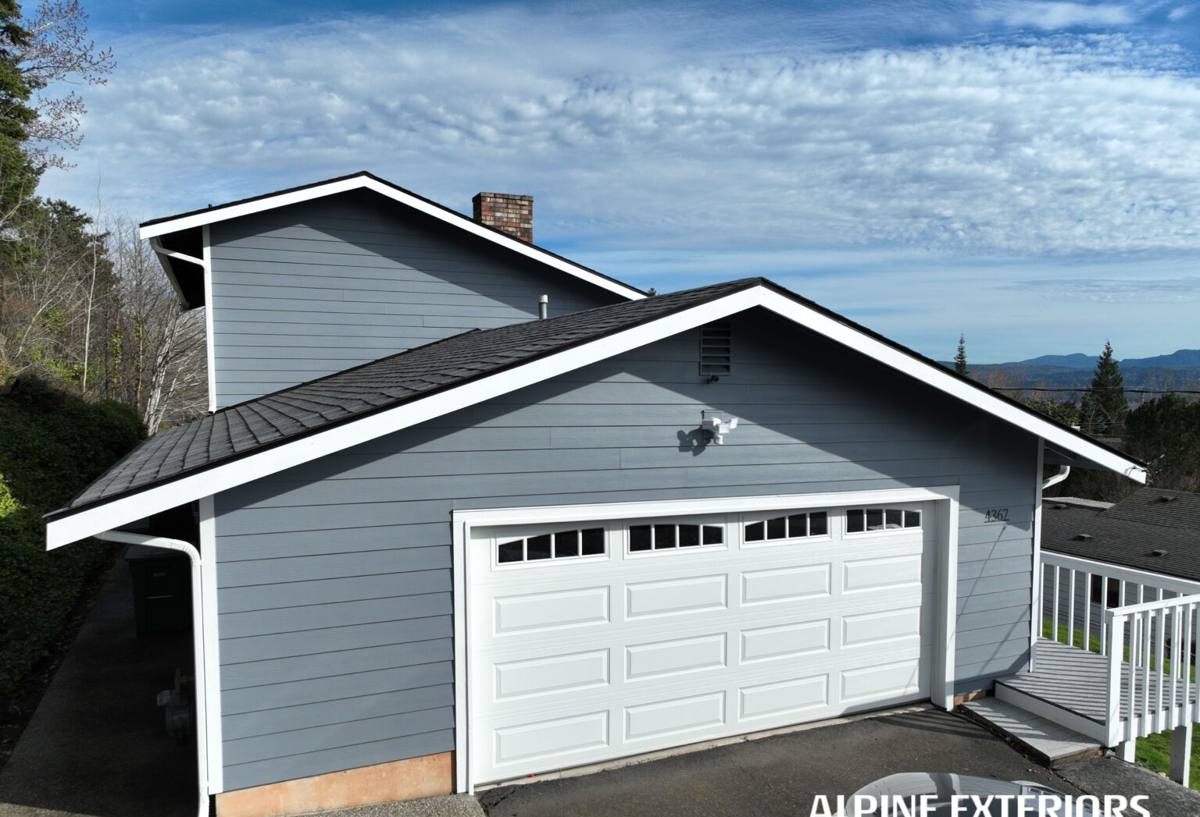
What Bellingham's Weather Actually Does to a Roof
Salt Air and Metal Fatigue
Homes closer to the water pick up airborne salt that accelerates corrosion on exposed fasteners, flashing, and any unpainted metal roofing components. Galvanized nails and flashing that would last decades inland can start rusting and losing their seal years sooner here. Once a fastener corrodes, the seal around it fails, and that's a direct path for water.
Driving Rain and Wind-Driven Water Intrusion
Bellingham doesn't just get rain — it gets rain pushed sideways by wind coming off Bellingham Bay and the Strait. Driving rain finds weaknesses that vertical rain never would: it drives up under shingle laps, through hairline gaps in step flashing, and into vents and pipe boots that are only rated for water falling straight down. A repair that only addresses the surface layer and ignores wind-driven paths will leak again in the next storm.
Moss, Shade, and Organic Growth
Cordata's mix of mature trees and marine humidity creates ideal moss conditions on roof sections that don't get much direct sun — typically north-facing slopes and areas shaded by neighboring trees. Moss holds moisture against the roofing material, lifts shingle edges as it grows, and its root structure works into granule beds and seams. Left alone through a full wet season, moss growth is one of the most common reasons a roof that's otherwise sound develops leaks years before it should.
Signs a Cordata Roof Needs Repair
Most roof problems in this area show up gradually. Homeowners often notice one of these first:
- A ceiling stain that appears after a heavy wind-and-rain event but not after a calm rain
- Granules collecting in gutters or at downspout outlets, especially after the first hard rain of the season
- Visible moss or dark streaking concentrated on shaded or north-facing roof planes
- Curling, cupping, or lifted shingle edges near valleys, ridges, or roof-wall intersections
- Daylight visible around a pipe boot, vent flashing, or chimney cricket from inside the attic
- Soft or spongy decking felt underfoot near a known leak point
- Rust streaking below metal flashing or fasteners
Any one of these on its own might not mean a major problem. Two or three together, especially around the same area of the roof, usually mean water has been getting past the roofing material for a while.
What a Correct Repair Actually Involves
A lasting roof repair isn't just patching the spot where water is showing up inside the house — that's often several feet away from where the water is actually entering, since it can travel along rafters or sheathing before dripping through. A proper repair traces the actual entry point and fixes the underlying cause, not just the symptom.
Diagnosis Before Repair
We start by tracing the leak from the interior stain or attic evidence back to its likely source on the roof surface, checking flashing, penetrations, and shingle condition along the way. Guessing at a repair location wastes the homeowner's money and often leaves the real problem untouched.
Flashing Comes First
In our experience, a large share of "shingle leaks" in this climate are actually flashing failures — step flashing that's corroded or improperly lapped, valley metal that's undersized for the volume of water Bellingham's storms move, or pipe boots with cracked rubber collars. Flashing is where wind-driven rain does the most damage, and it's often cheaper to replace than a full section of roofing.
Moss and Debris Removal Done Carefully
Moss has to be removed without damaging the granule surface underneath it — aggressive scraping or high-pressure washing strips granules and shortens the life of the remaining roof. We use low-pressure methods and appropriate treatments, then address the shade or debris conditions that let the moss establish in the first place where that's practical.
Matching Materials, Not Just Covering Holes
Where shingles need replacing, matching the existing material's type, weight, and where possible color keeps the repair from becoming a visible patch and preserves the roof's ability to shed water uniformly. A mismatched patch can actually create a new water path at its edges.
Common Roofing Materials in Cordata and Repair Considerations
Cordata's housing stock includes a mix of ages and roofing types, and the right repair approach depends on what's already up there.
| Roofing Material | Typical Repair Focus in This Climate | What to Watch For |
|---|---|---|
| Composition (asphalt) shingle | Flashing resealing, moss-damaged shingle replacement, granule loss repair | Curling or cupping from repeated wet/dry cycling; moss lifting edges |
| Cedar shake or shingle | Moss and moisture control, spot replacement of split or rotted shakes | Requires more frequent moss management than composition roofing |
| Metal roofing | Fastener and seam resealing, corrosion spot treatment | Salt air accelerates corrosion at cut edges and exposed fasteners |
| Low-slope / membrane sections (additions, porches) | Seam and penetration resealing | Standing water from clogged drains during heavy rain events |
Repair vs. Replacement: How We Help You Decide
Not every roof problem in Cordata calls for a full replacement, and we won't recommend one when a repair will genuinely hold up. The honest answer usually comes down to a few factors:
| Factor | Favors Repair | Favors Replacement |
|---|---|---|
| Age of roofing material | Well within expected service life | Near or past manufacturer-rated lifespan |
| Extent of damage | Isolated to one area or a few penetrations | Widespread across multiple roof planes |
| Decking condition | Solid, no soft spots found | Soft or rotted decking in multiple areas |
| History of repeat leaks | First occurrence or clearly isolated cause | Recurring leaks in different spots each season |
We'll walk the roof, explain what we find in plain terms, and give you a straight recommendation — including telling you when a repair is the right call even if a replacement would be the bigger job for us.
Our Repair Process
- Inspection and diagnosis — we walk the roof and check the attic where accessible, tracing the leak path rather than guessing from the interior stain location
- Written scope and estimate — you get a clear explanation of what's failing, why, and what the repair will involve before any work starts
- Repair work — flashing, shingles, moss removal, or decking repair as needed, using materials matched to your existing roof where possible
- Cleanup and debris removal — old material, nails, and moss debris cleared from the yard and gutters
- Follow-up check — confirming the repair is holding, particularly important after the season's first heavy rain
Keeping a Cordata Roof Healthy Between Repairs
A repair fixes the current problem. Keeping the next one from happening early usually comes down to a short list of maintenance habits that matter more here than in drier parts of the state:
- Clear gutters and downspouts before the fall rains start, since clogged gutters back water up under the lowest course of shingles
- Have moss treated before it establishes a thick mat, not after — thin moss is far easier to remove without granule damage
- Trim back tree branches that keep a roof section shaded and damp longer than the rest of the roof
- Check attic ventilation, since poor airflow keeps the underside of the decking damp and speeds up rot from the inside
- Have flashing and pipe boots inspected every couple of years, since rubber boot collars degrade even when the rest of the roof looks fine
Why Hire a Crew That Already Works in Cordata
Roofing crews who mostly work drier or more sheltered parts of Whatcom County can miss the specific failure patterns that show up in a neighborhood like Cordata — the flashing details that need to be tighter because of driving rain, the moss cycles that call for a different maintenance schedule, and the fastener choices that hold up better against salt-influenced air. A crew that regularly works this area already knows which roof planes tend to hold moss, which flashing styles fail first in this weather, and what a correct repair looks like once it's actually tested by a real Bellingham winter.
We also know that a repair only counts as done right if it's still holding a year later, through a full wet season — not just dry when we leave the job site.
Get a Straight Answer About Your Roof
If you're seeing a stain, missing granules, or moss creeping across a section of your roof, it's worth having someone look before the next storm makes the problem bigger. We offer a free, no-pressure estimate for Cordata homeowners — we'll tell you honestly whether you're looking at a repair or something more, and what it will actually take to fix it right. Use the form below to get started.