 Bellingham
 Roofing in South Hill: A Different Set of Conditions
South Hill sits up above downtown Bellingham with views out toward Bellingham Bay, and that elevation and exposure come with a trade-off. Homes here catch wind-driven rain off the water, sit under mature tree canopy that keeps roofs shaded and damp for much of the year, and pick up enough salt-laden air near the bay to accelerate corrosion on fasteners, flashing, and anything unprotected metal. Add in Whatcom County's long, gray moss season and you have a roofing environment that punishes shortcuts. A roof that would hold up fine in a drier inland climate can fail early here if it's not installed with this specific combination of moisture, shade, and salt exposure in mind.
Roof replacement in South Hill isn't just about picking a shingle color. It's about building a roof system — decking, underlayment, flashing, ventilation, and surface material — that's matched to how water and moisture actually move through a roof in this part of Bellingham.
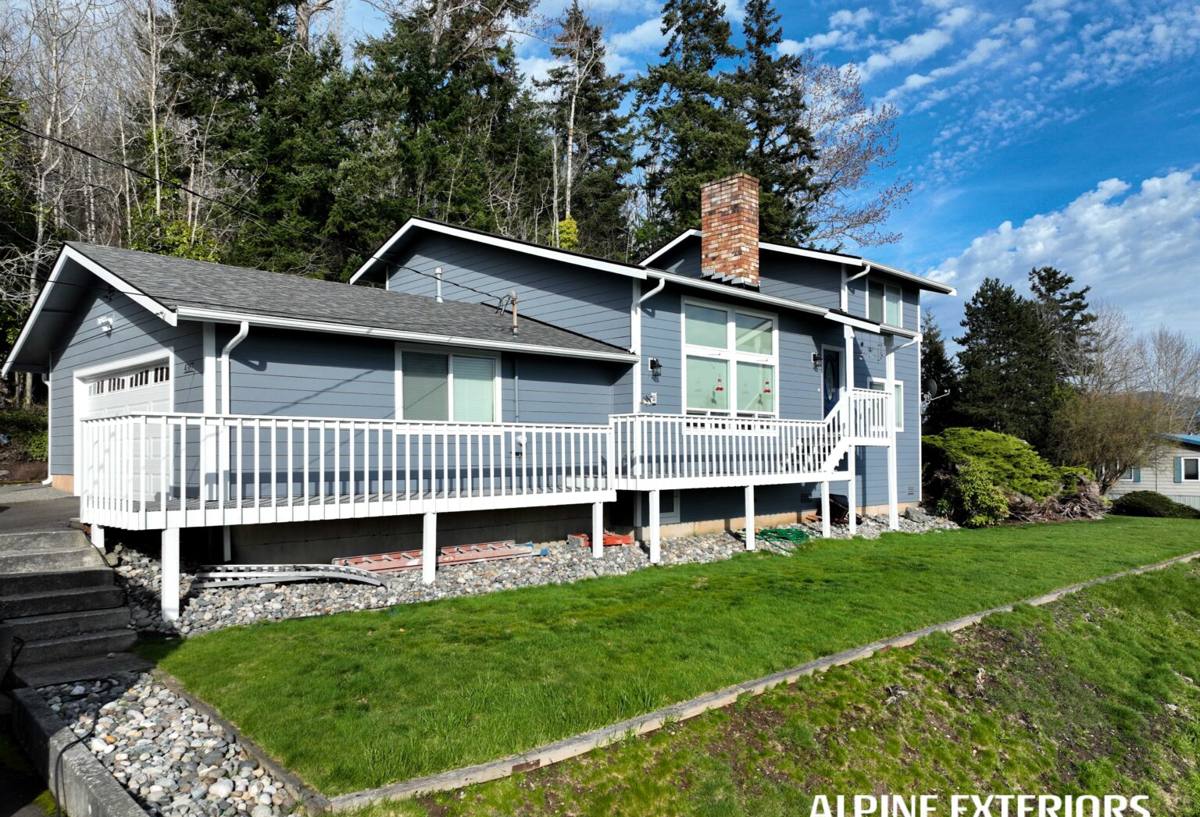
What South Hill's Climate Actually Does to a Roof
Moss and Organic Growth
Tree cover across South Hill keeps a lot of roof surfaces in partial shade most of the day, which means shingles stay damp longer after every rain instead of drying out. That damp, shaded environment is exactly what moss, algae, and lichen need to establish. Left alone, moss holds moisture against the shingle surface, lifts shingle edges as it grows, and works its way under tabs and around fasteners — all of which shortens the life of the roof well before it would otherwise need replacing.
Driving Rain and Wind
Storms coming off the water don't just drop rain straight down — they push it sideways, under shingle tabs, into valleys, and around any flashing that isn't sealed correctly. A roof on South Hill needs tighter attention to laps, fastener patterns, and flashing details than a roof built in a calmer, drier climate, because wind-driven rain will find any gap that's slightly under-built.
Salt Air and Corrosion
Proximity to Bellingham Bay means a steady trace of salt in the air, even a mile or more inland. Over years, that salt air accelerates rust and corrosion on exposed metal — nails, flashing, vent stacks, gutters — faster than it would in a landlocked location. Material choice and fastener quality matter more here than they would somewhere without that coastal influence.
Signs a South Hill Roof Needs Replacement, Not Another Repair
Not every roof problem calls for a full tear-off. But there's a point where patching individual issues stops making financial sense and a full replacement becomes the honest recommendation. Signs worth taking seriously include:
- Granule loss heavy enough that you're finding grit in gutters and downspouts season after season
- Moss coverage that comes back within a year or two of cleaning, especially on north-facing or shaded slopes
- Shingles that are curling, cracking, or losing their tabs, particularly on south- and west-facing exposures
- Soft spots in the decking you can feel underfoot, or sagging visible from the ground
- Daylight visible through the roof deck from inside the attic
- Water stains on interior ceilings that reappear after every heavy rain
- A roof approaching or past the manufacturer's rated lifespan, especially if it was installed with older or minimal underlayment
What a Correct Roof Replacement Involves
Tear-Off and Deck Inspection
We remove the existing roofing down to the deck rather than layering new shingles over old — layering traps moisture and hides problems. Once the deck is exposed, we check for soft, rotted, or delaminated sheathing, which is common on older South Hill homes where moss and trapped moisture have been working on the roof for years. Any compromised decking gets replaced before anything new goes down; installing new roofing over bad decking just guarantees an early repeat of the same problem.
Underlayment and Water Protection
Given how much rain this area sees, we don't treat underlayment as an afterthought. Self-adhering ice-and-water membrane goes in along eaves, valleys, and around every roof penetration — chimneys, skylights, vent stacks — since those are the spots most likely to leak under wind-driven rain. The rest of the deck gets synthetic underlayment as a second line of defense beneath the shingles.
Flashing
Flashing is where most roof leaks actually originate, not the shingle field itself. Step flashing at walls, counter-flashing at chimneys, and properly formed valley flashing all need to be installed — not just caulked over old flashing that's already corroding from salt exposure. We use corrosion-resistant flashing material given the coastal air South Hill sees.
Ventilation
A roof that can't breathe traps moisture in the attic, which condenses, soaks into the underside of the deck, and shortens the life of the new roof from the inside out. Balanced intake and exhaust ventilation matters as much in this climate as the shingles themselves — it's one of the most commonly skipped steps in a rushed replacement.
Moss Prevention Built In
Where it makes sense for the roof design, we install zinc or copper strips near the ridge, which release trace metal ions with every rain that inhibit moss and algae growth on the surface below. It's not a substitute for a well-ventilated, well-shaded-aware design, but it's a practical, low-maintenance layer of protection for a moss-prone property like most of South Hill.
Comparing Roofing Materials for a South Hill Home
Material choice affects how well a roof stands up to this specific mix of shade, rain, and salt air. Here's how the common options compare for this climate:
| Material | Typical Lifespan | Moss/Moisture Resistance | Relative Cost | Notes for South Hill |
|---|---|---|---|---|
| 3-tab asphalt shingle | 15–20 years | Fair | Lowest | Budget option; shows wear faster under heavy shade and moisture |
| Architectural (dimensional) shingle | 25–30 years | Good | Moderate | Best balance of cost and durability for most South Hill homes; wide style range |
| Standing seam metal | 40–50+ years | Excellent | Highest | Sheds moss and moisture extremely well; needs marine-grade fasteners and coatings near the bay to resist salt corrosion long-term |
| Cedar shake | 20–30 years with upkeep | Poor without regular maintenance | High | Attractive but demands consistent upkeep in a wet, shaded climate; we're upfront about that maintenance burden before recommending it here |
For most South Hill properties, architectural asphalt shingle offers the best combination of value and real-world durability. Standing seam metal is a strong option for homeowners planning to stay long-term and wanting the lowest-maintenance roof possible, particularly on steeper pitches where moss and moisture shed faster anyway.
What Drives Roof Replacement Cost
Every roof is priced on its own specifics, but the main cost factors are consistent. Understanding them helps you evaluate any estimate you receive, including ours.
| Cost Factor | Why It Matters |
|---|---|
| Roof size and pitch | Steeper roofs take longer, need more safety equipment, and use more material for the same square footage |
| Number of layers to remove | Tear-off of multiple existing layers takes more labor and disposal cost than a single-layer removal |
| Decking condition | Rotted or soft sheathing found during tear-off adds replacement material and labor |
| Material selection | Asphalt, metal, and specialty materials carry very different material costs per square |
| Roof complexity | Valleys, dormers, skylights, and multiple chimneys each add flashing work and labor time |
| Access and site conditions | Tree cover, steep lots, and limited driveway access — common on South Hill — can affect staging and disposal logistics |
Our Process, Start to Finish
We keep the process straightforward and communicate at each stage:
- Inspection: We get on the roof (or use a drone where access is limited) to assess the deck, flashing, ventilation, and current material condition, not just the visible surface wear.
- Written estimate: You get a clear, itemized quote covering material, labor, and any decking or flashing work anticipated — no vague lump-sum guessing.
- Scheduling around weather: Given how much of the year sees rain in this region, we schedule tear-off and dry-in carefully so your home isn't left exposed longer than necessary.
- Tear-off and deck repair: Old roofing comes off, decking is inspected and repaired as needed, and any rot found gets addressed before moving forward.
- Installation: Underlayment, flashing, ventilation, and the finish material go in following manufacturer specifications, not shortcuts.
- Cleanup and walkthrough: We clear debris and nails from the property, including a magnetic sweep, and walk the finished roof with you before calling the job done.
Why a Crew That Already Works South Hill Matters
Roofing crews unfamiliar with this specific stretch of Bellingham tend to under-spec for the moisture and shade South Hill properties deal with — they'll quote a roof built for a drier, sunnier part of the state. A crew that already works this neighborhood knows which slopes hold moss longest, where salt air off the bay tends to hit hardest, and how tree cover on a given lot affects ventilation needs. That local pattern recognition shows up in better flashing decisions, better material recommendations, and a roof that's actually built for the conditions it will sit under for the next two or three decades, not a generic install.
It also matters for accountability. A local, licensed crew is easy to reach if a question comes up after the job — not a phone number that goes quiet once the invoice is paid.
What to Ask Before Hiring a Roofing Contractor
- Are you licensed and insured to do roofing work in Washington State?
- Will you provide a written, itemized estimate before work begins?
- What underlayment and ice-and-water shield do you use, and where specifically will it be installed?
- How do you handle decking repairs discovered during tear-off — is that priced separately or included?
- What's the manufacturer's warranty on materials, and what's your own workmanship warranty?
- Can you walk me through how you'll handle moss prevention and attic ventilation on this specific roof?
A contractor who answers these plainly, without dodging the ventilation or flashing questions, is one worth taking seriously.
Get an Honest Look at Your Roof
If your South Hill roof is showing moss that keeps coming back, granule loss, or you're just not sure how much life it has left, we're happy to take a look and give you a straight answer — replacement, repair, or a few more good years. Use the form below to request a free, no-pressure estimate.