 Bellingham
 Sudden Valley Roofs Face a Different Kind of Wear
Sudden Valley sits back from Bellingham Bay along Lake Whatcom, tucked into wooded hillsides that make the neighborhood beautiful and, from a roofing standpoint, demanding. The tree canopy that shades so many lots also keeps roof surfaces damp long after a storm passes. Add in the marine air that moves inland off the Salish Sea and the driving rain that comes with Whatcom County winters, and you have a roofing environment that's tougher on materials than it looks from the ground.
None of this means Sudden Valley homes need exotic solutions. It means the basics — moisture management, ventilation, and material selection — have to be done correctly, not just adequately. A roof that would hold up fine in a dry, open subdivision can fail early here if it's installed without accounting for shade, slope, and the long stretches of damp weather this part of Washington gets every year.
What the Climate Actually Does to a Roof
- Marine air carries salt and moisture that accelerates corrosion on exposed fasteners, flashing, and metal roof edges over time.
- Driving rain off the lake and surrounding hills finds weak points in flashing and underlayment that a gentler rain would never expose.
- Heavy tree cover blocks sun and airflow, so roof surfaces stay wet longer — the single biggest factor behind moss, algae, and premature shingle breakdown.
- Needle and leaf litter from surrounding trees collects in valleys and against roof-to-wall transitions, holding moisture against the roofing material.
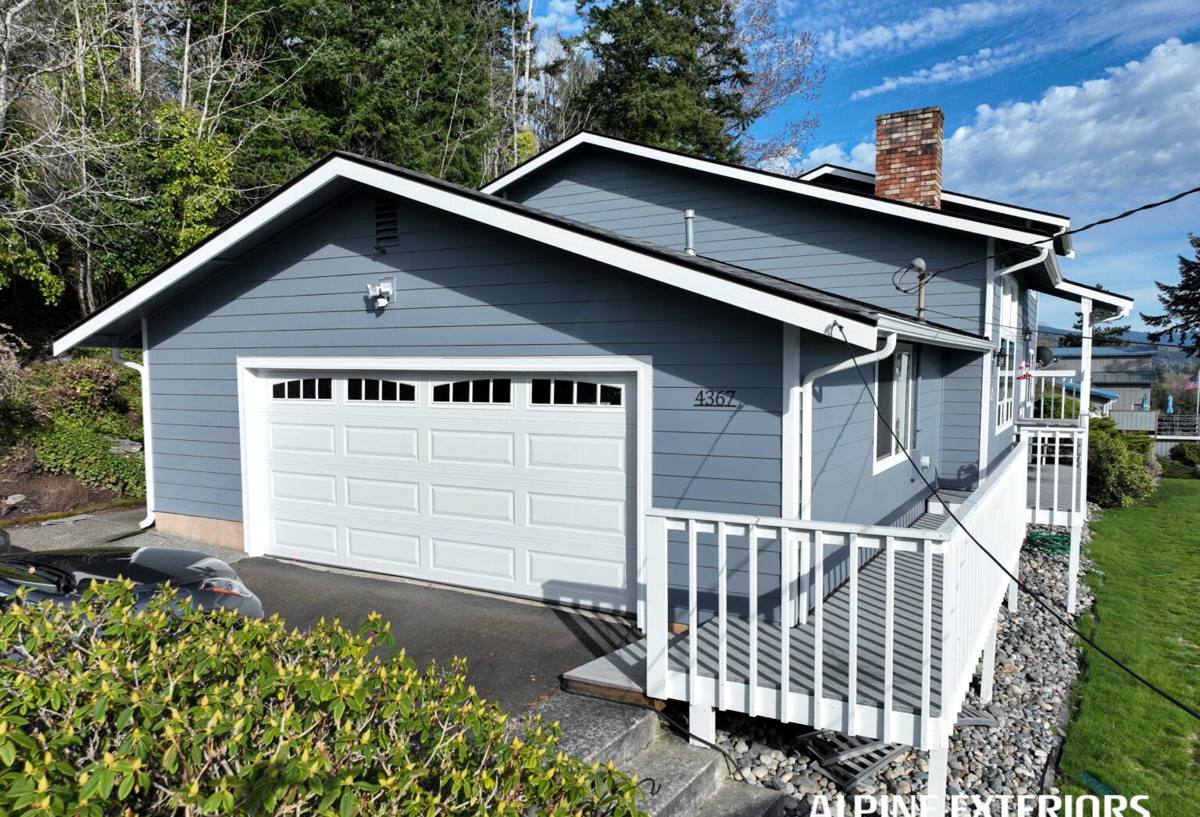
Signs It's Time for Replacement, Not Another Repair
Most homeowners don't wake up one day and decide they need a new roof — it's usually a slow accumulation of small problems that eventually add up to one big decision. In a shaded, moisture-heavy setting like Sudden Valley, the signs tend to show up a little earlier than they would on a sun-exposed roof in a more open part of Bellingham.
| What You're Seeing | What It Usually Means |
|---|---|
| Heavy moss growth that returns within a season of cleaning | Shingles are holding moisture; granule loss and mat damage are likely underneath |
| Shingles curling, cracking, or losing granules in patches | Material is past its effective service life, especially on shaded slopes |
| Dark streaking or soft-looking patches on the roof deck from the attic | Water is getting past the roofing surface, not just sitting on top of it |
| Daylight visible through the roof deck, or a spongy feel underfoot | Decking has likely taken on moisture damage and needs replacement, not just re-roofing |
| Repeated flashing leaks around chimneys, skylights, or valleys | Flashing has failed and patch repairs are no longer cost-effective |
If you're only dealing with one or two items on that list, a repair may still make sense. Once several show up together, or the roof is already past 20-25 years old, replacement almost always costs less over time than continuing to chase leaks.
What a Proper Roof Replacement Includes
A roof replacement isn't just stripping off old shingles and laying down new ones. On a Sudden Valley home, the parts that matter most are often the ones you can't see once the job is finished.
Tear-Off and Deck Inspection
We remove the old roofing down to the deck rather than layering over it. This is the only way to actually see what's happening underneath — soft spots, rot around penetrations, or damage from long-term moisture that a shaded roof is especially prone to. Any damaged decking gets replaced before anything else goes down.
Underlayment and Moisture Barriers
Given how much driving rain this area sees, underlayment quality matters more here than in drier climates. We use synthetic underlayment across the field and self-adhering ice-and-water membrane at the vulnerable spots — eaves, valleys, and around every penetration — where wind-driven rain is most likely to work its way in.
Flashing
Flashing failure is one of the most common causes of roof leaks, and it's rarely the shingles' fault when it happens. We replace flashing at chimneys, skylights, sidewalls, and valleys rather than reusing old pieces, since flashing takes the brunt of the marine-air corrosion this area is known for.
Ventilation
A roof needs to breathe. Balanced intake and exhaust ventilation pulls moist air out of the attic before it can condense against the underside of the deck — a real risk on shaded lots where the roof rarely gets enough sun to dry out on its own.
Choosing the Right Roofing Material for a Wooded, Lake-Adjacent Lot
There's no single "best" roofing material — the right choice depends on how much sun and shade your particular lot gets, your budget, and how much long-term maintenance you're willing to take on. Here's how the common options stack up for a home in this setting.
| Material | How It Handles Shade & Moisture | Maintenance | Typical Lifespan |
|---|---|---|---|
| Architectural asphalt shingles | Good, especially algae-resistant lines with copper or zinc granules | Low to moderate — periodic moss removal on shaded slopes | 25-30 years |
| Standing seam metal | Excellent — sheds moisture fast, resists moss buildup better than any shingle | Low | 40-50+ years |
| Cedar shake | Struggles in heavy shade; needs consistent airflow and upkeep to avoid rot | High — regular treatment and inspection | 20-30 years with diligent care |
| Standard 3-tab shingles | Fair — thinner profile shows wear and moss faster in shaded spots | Moderate | 15-20 years |
We're honest with Sudden Valley homeowners about cedar: it can look great, but on heavily shaded lots it demands a level of upkeep most people underestimate when they choose it. If you love the look, we'll talk through what real maintenance looks like before you commit. For most shaded lots here, an algae-resistant architectural shingle or a metal roof gives you the best balance of appearance, cost, and long-term performance.
Ventilation and Moss: The Long Game
Moss is the most visible symptom of a shaded roof, but treating the moss without addressing the underlying moisture problem just means you'll be back on the roof with a scrub brush every year. A correctly ventilated, properly flashed roof with the right shingle exposure resists moss far longer than one that's just been cleaned.
We also install roofs with an eye toward drainage — making sure valleys, gutters, and downspouts are sized and positioned to actually move water off the roof quickly rather than letting it linger against the surface. On a lot ringed by trees, that difference matters more than most people expect.
Our Process, Start to Finish
- On-site assessment. We walk the roof and attic together, note the age and condition of the deck, flashing, and ventilation, and talk through what your specific lot and tree cover mean for material choice.
- Written estimate. A clear scope of work and price — what's included, what materials we're proposing, and why, with no vague allowances.
- Scheduling around weather. We plan tear-off days around Whatcom County's rain patterns so your home isn't left exposed longer than necessary.
- Tear-off and deck repair. Old roofing comes off, the deck gets inspected, and any damaged sections are replaced before new material goes down.
- Underlayment, flashing, and roofing installation. Installed in the sequence that actually keeps water out, not just the fastest sequence.
- Ventilation check. We confirm intake and exhaust are balanced for your attic's size and shape.
- Final walkthrough and cleanup. We review the finished roof with you and make sure the site is cleared of debris and nails.
Working Around Sudden Valley's Private Roads and Tree Cover
Sudden Valley's winding, tree-lined private roads are part of what makes the community appealing, but they also change how a roofing job gets planned. Staging materials, positioning a dumpster, and setting up safe access for tear-off take more thought here than on a wide-open suburban street. Because we've worked in the neighborhood before, we plan for narrower access points and overhead branches in advance rather than discovering them on the morning of the job.
Many homes in Sudden Valley are part of a community association, and some associations have expectations around contractor access, work hours, or exterior changes. It's worth checking your association's guidelines before scheduling a project — we're happy to work within whatever notice or approval process applies to your property.
What a Roof Replacement Typically Costs
Every roof is different, but the factors below are what actually move the price on a Sudden Valley home. We'll give you specific numbers after seeing your roof — anyone who quotes a firm price over the phone without an inspection is guessing.
| Factor | Why It Affects Cost |
|---|---|
| Roof size and number of slopes/valleys | More surface area and complexity means more material and labor |
| Deck condition | Rotted or soft decking found during tear-off requires repair or replacement before new roofing goes on |
| Material choice | Asphalt, metal, and cedar carry very different material and labor costs |
| Roof pitch and access | Steep roofs and limited access on wooded lots require more safety setup and time |
| Ventilation upgrades | Adding or correcting intake/exhaust venting adds modest cost but prevents future moisture problems |
| Tear-off layers | Removing multiple old layers of roofing takes longer than a single-layer tear-off |
A Quick Checklist Before You Sign a Contract
- Confirm the contractor is licensed and insured to work in Washington State and carries workers' compensation coverage.
- Ask whether the estimate includes full tear-off, or if a layover is being proposed — and understand why.
- Get the underlayment and flashing materials specified in writing, not just the shingle brand.
- Ask how deck repairs, if needed, are priced — a flat rate or a clear per-sheet cost avoids surprises mid-project.
- Confirm who handles disposal and site cleanup, and where the dumpster or materials will stage given your driveway and road access.
- Check whether your Sudden Valley association requires any notice or approval before work begins.
- Get manufacturer and workmanship warranty terms in writing before work starts.
If your roof is showing moss that keeps coming back, curling shingles, or a leak that's turned into more than one repair visit, it's worth getting a straight answer on where things actually stand. We offer free, no-pressure estimates for Sudden Valley homeowners — use the form below to schedule a look at your roof.